

Maddy summaryThis bill amends New York State law to formally designate Diwali (specifically the fifteenth day of the Hindu lunisolar month of Kartik, also called Lakshmi Puja or the Hindu festival of lights) as a public holiday. It adds Diwali to the existing list of state-recognized public holidays, which currently includes dates like New Year's Day and Independence Day. As a public holiday, Diwali would require state offices and government operations to close, similar to other designated days. The change would take effect January 1, 2026, following the bill's enactment. This affects state employees and government services, aligning Diwali with other established public holidays.
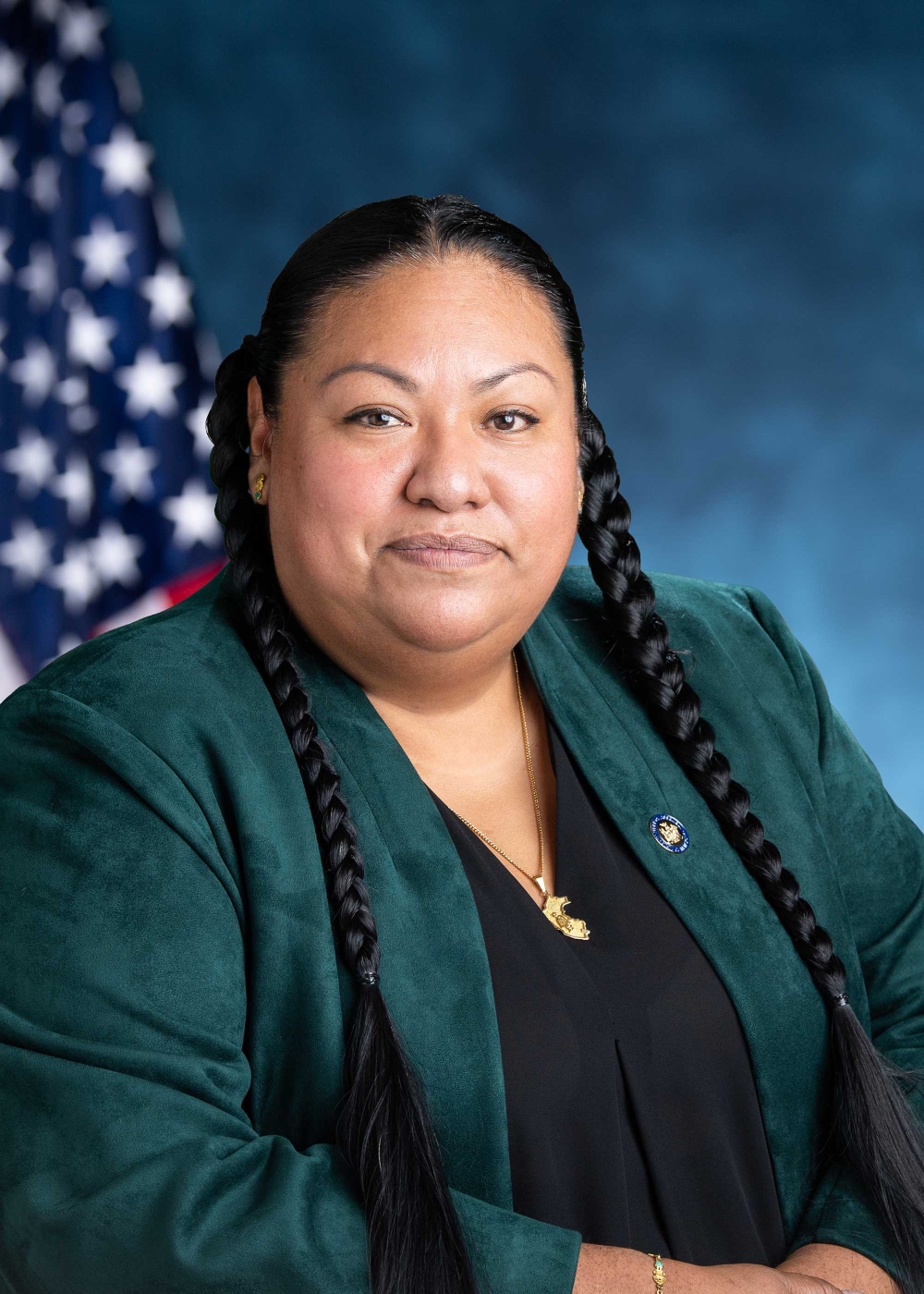
Asm. Marcela Mitaynes
Sponsored bills
Requires the consideration of complete street design for certain transportation projects which receive federal or state funding; authorizes the department to compile and make publicly available guidance and reference material related to consideration of complete street design.
Enacts the "Big Five African Trophies Act" relating to banning the importation, transportation and possession of certain African wildlife species and products.
Relates to returnable bottles; adds noncarbonated soft drinks, certain noncarbonated fruit or vegetable juices, coffee and tea beverages, carbonated fruit beverages and cider to the definition of "beverage"; provides that beginning April 1, 2027, the handling fee will be six cents for each beverage container accepted by a deposit initiator from a dealer or operator of a redemption center; directs the multi-agency bottle bill fraud investigation team to submit a report on findings of pervasive bottle redemption fraud in New York state.
Establishes the New York Health program, a comprehensive system of access to health insurance for New York state residents; provides for administrative structure of the plan; provides for powers and duties of the board of trustees, the scope of benefits, payment methodologies and care coordination; establishes the New York Health Trust Fund which would hold monies from a variety of sources to be used solely to finance the plan; enacts provisions relating to financing of New York Health, including a payroll assessment, similar to the Medicare tax; establishes a temporary commission on implementation of the plan; provides for collective negotiations by health care providers with New York Health.
Maddy summaryThis bill significantly expands eligibility for judicial diversion programs, allowing individuals charged with a broader range of offenses to participate if they have a "qualifying diagnosis." This diagnosis includes serious mental disorders, other mental health disorders causing severe functional impairment, or substance use disorders. While most Class A felonies and Class B sexual offenses are generally excluded, the bill establishes a new "diversion part" in each county. It also redefines "treatment" within these programs to include evidence-based interventions outside of carceral settings.
Authorizes the transfer of pregnant and postpartum incarcerated individuals to residential treatment facilities; requires annual reporting on the number of such incarcerated individuals transferred.
Provides that funds recovered from public authorities for the provision of governmental services and allocated to the independent authorities budget office shall only be used for direct expenses of the authorities budget office and may not be used for fringe benefits and indirect costs.
Requires all public school districts, charter schools and non-public schools in the state that participate in the national school lunch program or school breakfast program as provided in the national child nutrition act to serve breakfast and lunch at no cost to the student.
Prohibits utility corporations from imposing late fees, interest, or penalties during an investigation by the commission; allows retroactive late fees, interest, or penalties if a determination is made in favor of such utility corporation; prohibits utility services from being terminated during an investigation by the commission; requires utility corporations to notify customers of investigations; requires notice to the general public; requires the public service commission to prepare reports on investigatory proceedings relating to gas, electric, and steam service.