

Establishes an assumption of the inadmissibility of evidence of a defendant's creative or artistic expression against such defendant in a criminal proceeding; requires the proffering party to affirmatively prove that the evidence is admissible by clear and convincing evidence.
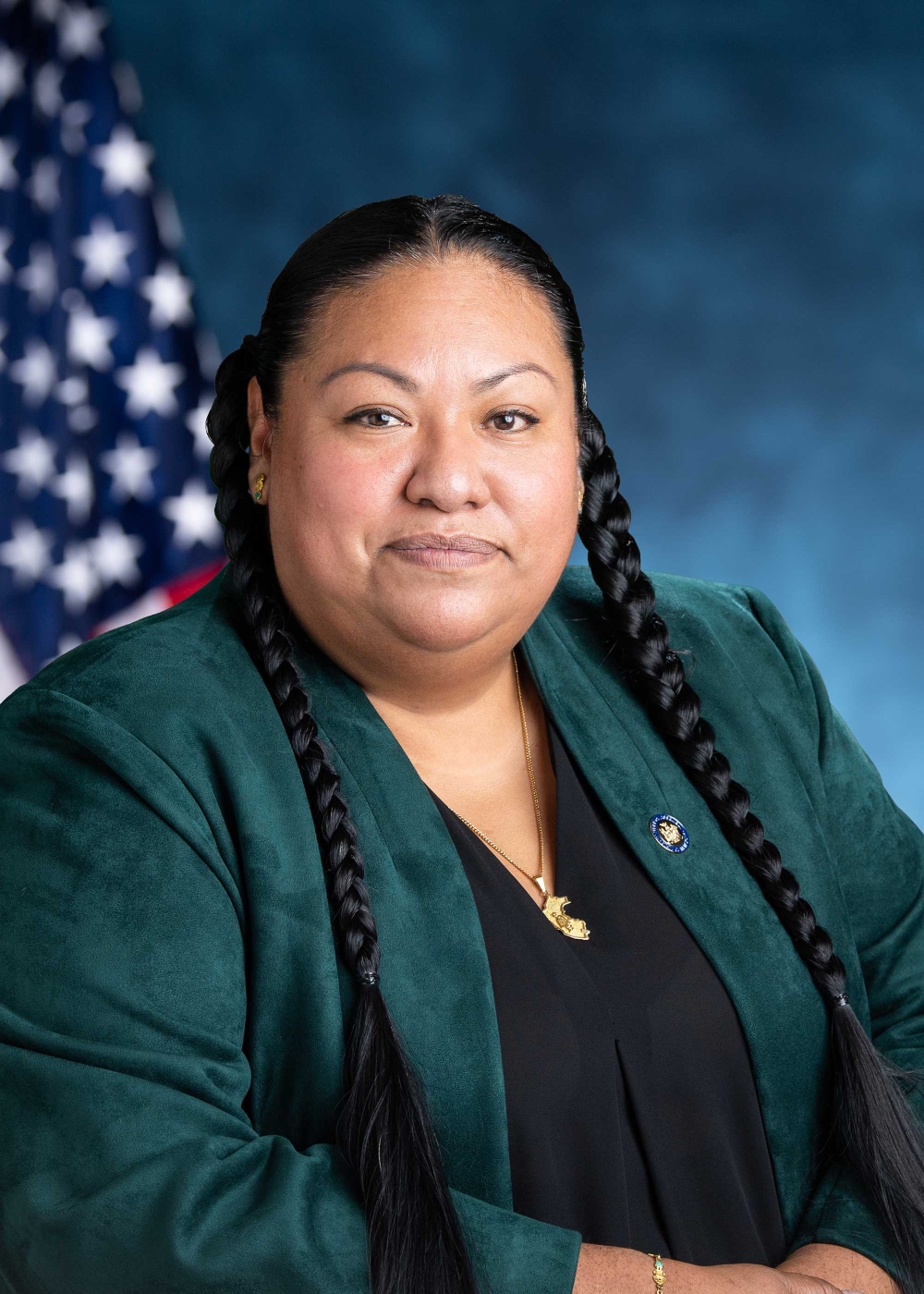
Asm. Marcela Mitaynes
Sponsored bills
Establishes the Brooklyn-Queens expressway authority for the purposes of the continuance, further development and improvement of transportation along the Brooklyn-Queens expressway and other services related thereto.
Provides practical support for access to abortion care including, but not limited to, reimbursement for ground and air transportation, lodging, meals, childcare, translation services, and doula support.
Maddy summaryThis bill prohibits New York police officers from using chemical agents, such as pepper spray or tear gas, against minors under the age of 18 in any circumstance. It requires all police departments to update their use-of-force policies to explicitly ban such chemical agents when interacting with minors. The law takes effect immediately and directly affects police officers and departments across New York, as well as minors under 18 who may encounter law enforcement. This change modifies existing policy requirements without altering other aspects of police conduct.
Establishes the universal child care act to provide for the establishment and funding of universal child care in the state of New York; establishes a universal child care taskforce to help implement universal child care in the state and repeals certain provisions of the social services law relating thereto; establishes the permanent child care workforce pay equity fund; establishes a universal child care public option pilot program to provide universal child care in at least twenty locations throughout the state; makes an appropriation therefor.
Provides voting membership to existing non-voting rider representatives on the MTA Board, provides for enhanced representation of MTA riders with disabilities.
Establishes the teachers' fossil fuel divestment act; requires the New York state teachers' retirement system to divest the retirement system of any stocks, securities, equities, assets, or other obligations of corporations or companies included on an exclusion list of coal producers and oil and gas producers.
Maddy summaryThis bill removes specific eligibility restrictions for Medicaid home care services in New York. It repeals a provision requiring individuals seeking home care to meet strict activity-of-daily-living criteria (like needing assistance with multiple tasks) or dementia-related supervision levels. The change directly affects Medicaid recipients needing home care services, particularly those with dementia or Alzheimer's who previously faced these barriers. The policy shift simplifies eligibility by eliminating these prior requirements for people applying on or after October 1, 2020. The bill modifies New York's social services law to broaden access to home care services under Medicaid.
Maddy summaryThis bill establishes a new health coverage option under New York's 1332 state innovation program, allowing the state to create a health plan for specific uninsured New Yorkers who don't qualify for Medicaid or ACA marketplace plans. It directly affects residents under 65 with household incomes between 133% and 250% of the federal poverty line, including some noncitizens ineligible for Medicaid due to immigration status. Key provisions include requiring coverage for essential health services (like cancer care access at Medicaid rates, dental, vision, and chronic illness support), automatic enrollment for children born to eligible parents, and continued coverage during pregnancy for one year postpartum. The program requires federal approval under the ACA's Section 1332 waiver process and operates alongside existing Medicaid and marketplace plans.
Maddy summaryThis bill establishes a new progressive income tax structure for high-income New York taxpayers by creating multiple tax brackets with increasing rates as income rises. It directly affects New York residents earning above certain thresholds, with the highest rates applying to incomes over $5 million (up to 24% for some filing statuses). Key provisions include setting specific tax rates for different income ranges - for example, 10.90% for incomes over $25 million and 24% for incomes over $20 million for certain filers. The bill modifies existing tax law to implement these bracketed rates, replacing previous structures.