

Requires a mitigation ratio of one acre for every acre of occupied grassland bird breeding habitat and three acres of mitigation for every acre of grassland bird wintering habitat included in a major electric transmission facility siting permit.
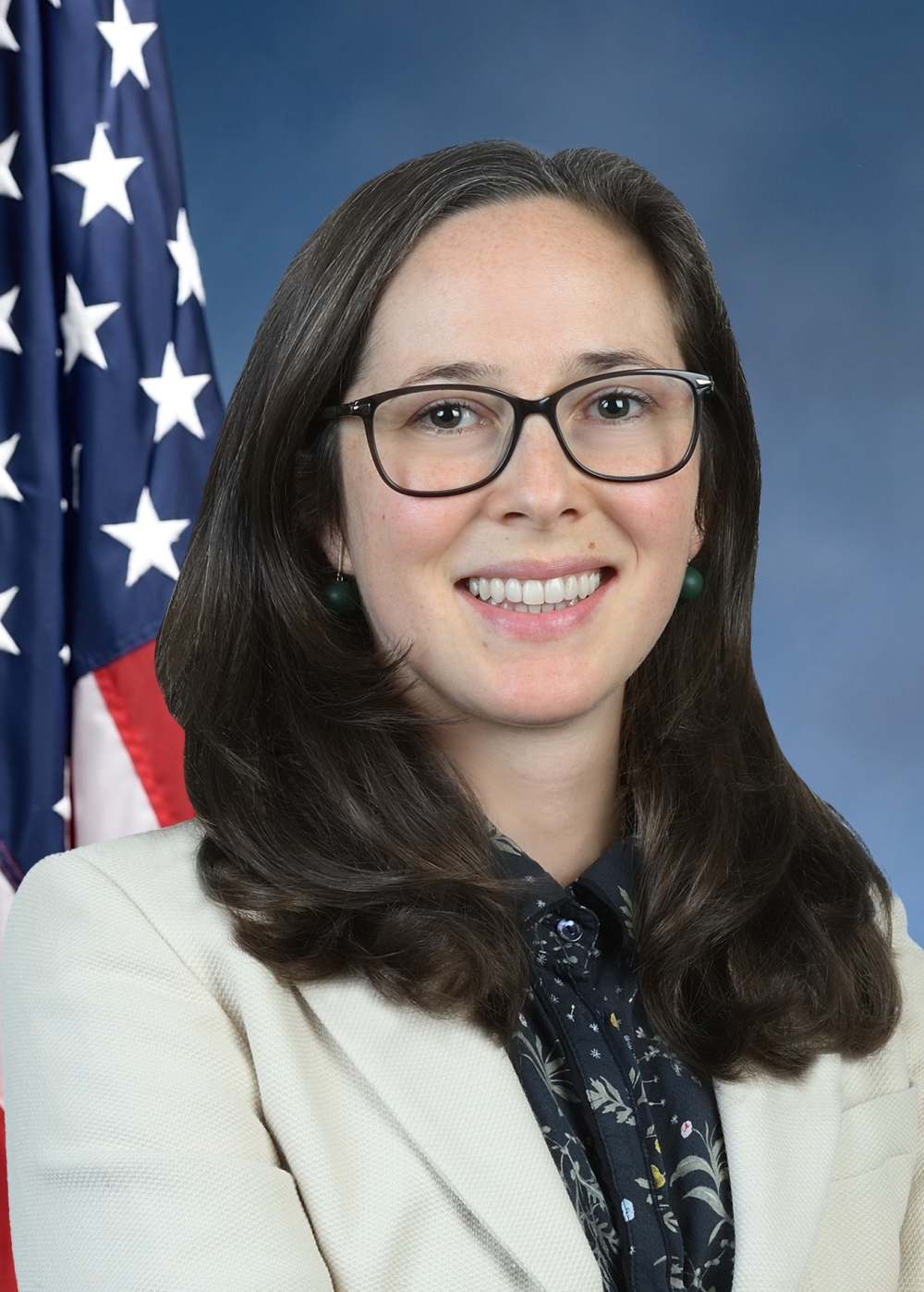
Asm. Rebecca Kassay
Sponsored bills
Enacts the regional equity in policy implementation act; establishes a regional impact assessment framework; requires a ten-point regional impact test for statewide climate, energy, and infrastructure policies.
Enacts the "Joseph Fletcher act"; permits certain claims by essential employees for compensation based on death due to COVID-19 which were previously denied or not timely filed.
Requires the department of labor to study the long-term impact of artificial intelligence on the state workforce including but not limited to job performance, productivity, training, education requirements, privacy and security; prohibits any state entity from using artificial intelligence in any way that would result in the displacement of any currently employed worker or loss of position, including partial displacement such as a reduction in the hours of non-overtime work, wages or employment benefits, or results in the impairment of existing collective bargaining agreements.
Maddy summaryBill A 6586 requires health insurance plans and Medicaid to cover patient navigation services for individuals with serious conditions expected to last at least three months and at high risk of hospitalization, nursing home placement, or health decline. These services help connect patients to social supports like transportation, housing, food assistance, and healthcare appointments, and include referrals, enrollment help, and care coordination. Certified navigators (trained through approved programs) must provide these services under a healthcare provider's supervision. The law applies to all medical, major medical, and comprehensive insurance policies, ensuring coverage for high-risk patients who need help accessing care.
Maddy summaryThis bill updates rules for when construction projects must pay local prevailing wages. It applies to projects using at least 20% public funds (or $3 million/$5 million in public funds) for construction costs. Exemptions include single-family homes, small nonprofits, and certain affordable housing developments meeting specific affordability requirements. This affects contractors and developers working on qualifying projects funded in part by public money.
Maddy summaryThis bill automatically qualifies children with elevated venous blood lead levels (at or above 5 mcg/dl) for early intervention services by adding this condition to the legal definition of "disability" in public health law. It directly affects young children under three years old who are identified with lead levels meeting this threshold during medical screenings. The key mechanism amends Public Health Law to include elevated blood lead levels as a qualifying condition, eliminating the need for separate evaluations to access services. This change ensures children exposed to lead - known to cause developmental delays - receive timely support without administrative barriers.
Ensures the decision to downcode an insurance claim is recognized as an adverse determination; prohibits health plans from reversing or altering medical necessity determinations made by a utilization review agent or external appeals agent as a result of an audit of claims.
Requires certain entities to stock opioid antagonists and to store naloxone nasal sprays with or adjacent to automated external defibrillator cabinets.
Maddy summaryThis bill requires sex offenders in New York to register any change of address, internet accounts, or education/employment status with the state registry within five calendar days (reducing the previous requirement from ten days). It also mandates a $10 fee for each registration update. The law directly affects individuals subject to the state's sex offender registry, imposing stricter timelines for reporting location changes. The bill takes effect 90 days after enactment.