

Maddy summaryThis bill prohibits state agencies from setting time limits on stays at homeless shelters and emergency congregate housing (defined as shared facilities operated by state/local agencies or contractors where people stay over 96 hours). It requires agencies to allow individuals or families to remain in shelter unless there is imminent danger or the person requests a transfer. The law applies to all state-operated shelters and contracted providers, with the exception that residents must maintain eligibility for temporary housing assistance. It takes effect immediately and directly affects homeless individuals and families using these facilities.
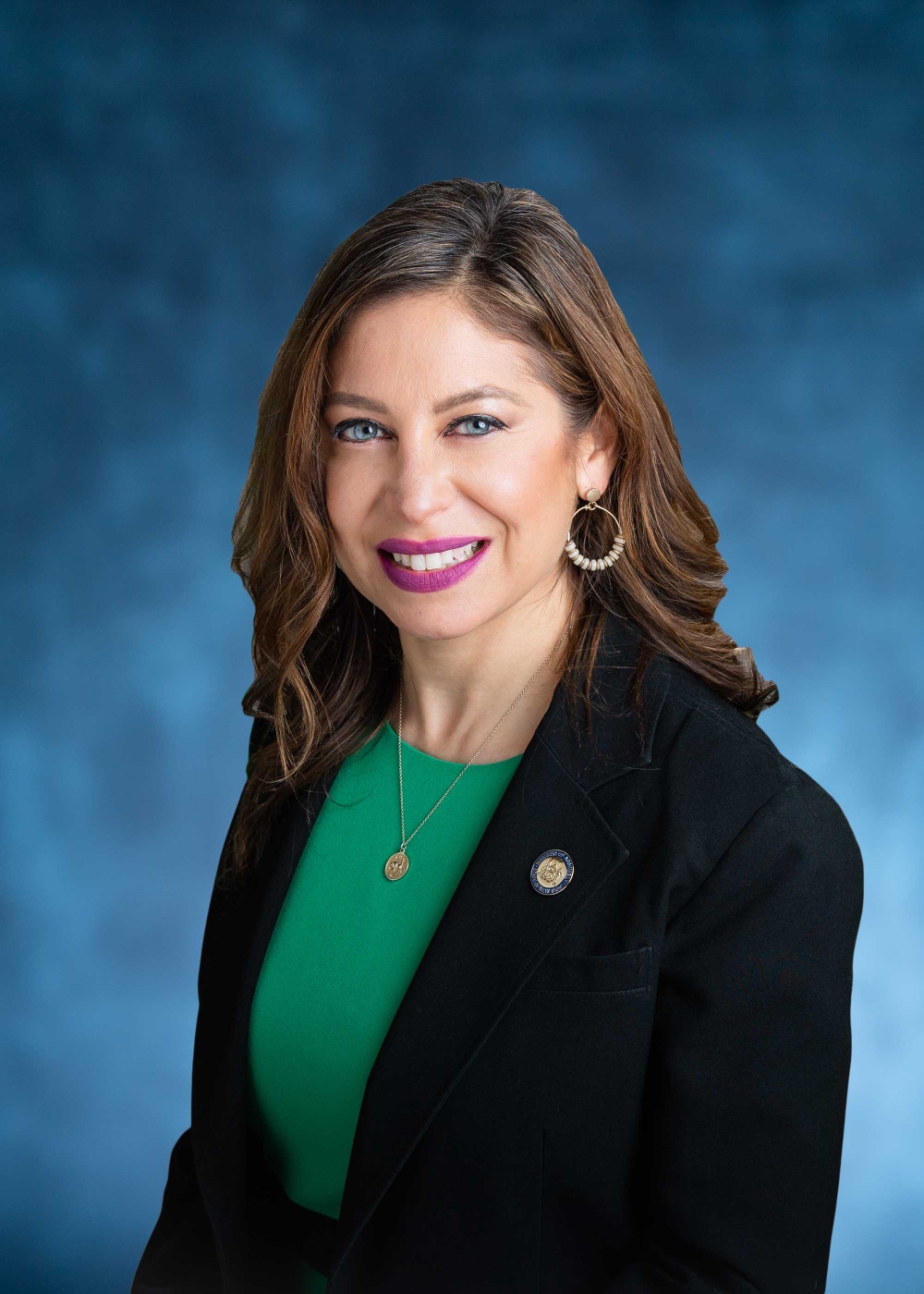
Asm. Jessica González-Rojas
Sponsored bills
Relates to prevailing wage requirements applicable to public works and certain construction projects performed under private contract and paid for with public funds.
Maddy summaryThis bill requires incarcerated individuals in New York state correctional facilities to be paid for labor performed, setting a minimum standard of at least half the state's minimum wage. It directly affects people held in state and local prisons who work in facility operations, community programs, or nonprofit volunteer roles. Key provisions mandate compensation for all work described in the law, including kitchen duties, maintenance, and specialized facility tasks, with pay calculated based on minimum wage standards. The law updates multiple correction law sections to ensure all such labor is compensated fairly, replacing previous unpaid or low-wage labor practices.
Establishes a wound care kit and xylazine test strip distribution program to supply wound care kits designed for the treatment of injection-related wounds and skin and soft tissue infections, and xylazine test strips, to individuals with a substance use disorder or who are otherwise at risk of drug use, free of charge; prohibits facilities from collecting personally identifying information on such individuals; prohibits police from targeting individuals receiving wound care kits or xylazine test strips under such program.
Maddy summaryThis bill prohibits state agencies and local governments from denying government contracts based on protected characteristics like race, gender, disability, or sexual orientation. It directly affects businesses seeking state or local government contracts by requiring that award decisions not consider these factors. The law creates a new division to address discrimination and explicitly allows policies to increase participation by historically underrepresented groups in contracting. The key provision bans discriminatory practices in procurement while permitting targeted efforts to improve diversity.
Maddy summaryThis bill requires transit authorities and their subsidiaries to ensure accessible buses (wheelchair-friendly) are available within a three-mile service area of any bus line. It mandates that 65% of all regularly operated buses must be accessible, achieved by requiring all newly purchased, leased, or brought-into-service buses (except those for temporary shortages) to be accessible until the 65% threshold is met. The law directly affects public transit agencies like the MTA, ensuring better access for transportation-disabled riders, including wheelchair users, on fixed-route bus services. Key provisions include the 65% accessibility target and the 3-mile service area requirement for accessible buses.
Maddy summaryThis bill requires New York's social services office to implement an electronic benefit transfer (EBT) system by June 21, 2027, replacing paper checks for programs like food assistance and cash benefits. It mandates using standard commercial electronic payment technology, including chip-based cards, to deliver benefits securely and efficiently. The policy directly affects state recipients of social services and the agency managing benefit distribution, shifting from physical vouchers to digital transfers. The law also requires the office to upgrade the system as soon as possible after the deadline.
Requires human breast milk banks, companies and cooperatives to comply with certain standards; provides for education and support of certain breastfeeding mothers.
Maddy summaryThis bill prohibits law enforcement from using the possession of condoms or other reproductive health devices (like PrEP, lubricants, or emergency contraception) as evidence in court cases involving prostitution, sex trafficking, or related offenses. It directly affects individuals in sex trade or trafficking situations, particularly survivors of trafficking who face disproportionate targeting when condoms are seized as evidence. Key provisions amend laws to block such evidence in trials, hearings, and arrests, while requiring police training on these rules. The law aims to protect public health and reduce discriminatory impacts on vulnerable communities.
Maddy summaryThis bill prohibits candidates and officeholders from using campaign funds to pay settlement fees, fines, or penalties related to sexual harassment civil or criminal cases. It directly affects political candidates and elected officials who face legal action involving sexual harassment allegations. The key provision amends election law to explicitly add "payment of any settlement fees, fines or penalties assessed against the candidate in connection with a criminal or civil action involving allegations of sexual harassment" as an ineligible campaign expense. This change clarifies that campaign funds cannot cover costs tied to sexual harassment legal resolutions, separate from other allowable expenses like travel or childcare. The bill takes effect 60 days after becoming law.