

Requires the owner, licensee or operator of a generative artificial intelligence system to conspicuously display a notice on the system's user interface that is reasonably calculated to consistently apprise the user that the outputs of the generative artificial intelligence system may be inaccurate.
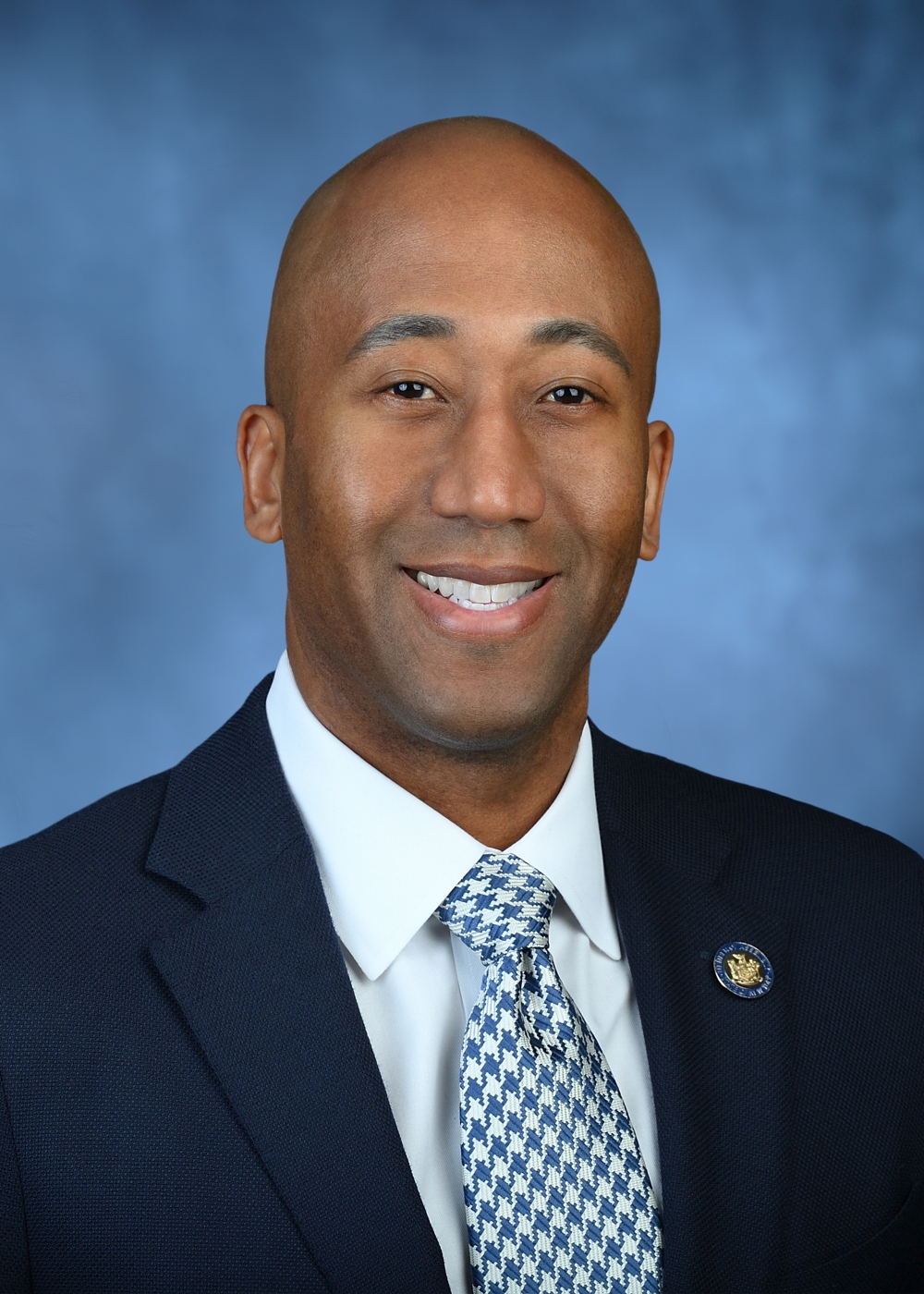
Rep. Clyde Vanel
Sponsored bills
Establishes the "clean fuel standard of 2026"; provides such standard is intended to reduce greenhouse gas intensity from the on-road transportation sector, with further reductions to be implemented based upon advances in technology.
Imposes liability for misleading, incorrect, contradictory or harmful information to a user by a chatbot that results in financial loss or other demonstrable harm.
Maddy summaryThis bill (A 10133) regulates short-term personal loans in New York State. It defines "personal loans" as unsecured loans under $3,000 with 3-12 month terms (paid in equal installments), excluding certain types like mortgage-backed loans or credit card debt. The law applies to lenders making these loans to New York residents or visitors, while exempting banks, credit unions, federal housing programs, and nonprofit housing lenders. Key provisions prohibit lenders from evading regulations through "true lender" loopholes (e.g., using shell companies to avoid oversight) and require compliance with New York’s financial laws. It does not apply to commercial loans or loans made before the law’s effective date.
Prohibits and regulates the discovery and disclosure of immigration status; prohibits police officers, peace officers, school resource officers, probation agencies, state entities, state employees, and municipal corporations from questioning individuals regarding their citizenship or immigration status; regulates the disclosure of information relating to immigration status; prohibits an educational agency, higher education agency, school employee, school safety personnel, or third-party contractor from collecting information about a person's citizenship, immigration status, nationality, or country of origin, unless required by law or necessary to administer a public program or benefit sought by such person.
Directs the department of public service to promulgate rules, regulations and model policies regarding setback requirements for the siting of battery energy storage systems; requires minimum setback requirements for commercial energy storage systems, with a capacity of three megawatts or greater, of no less than seven hundred fifty feet from residential property and no less than three hundred feet from residential property located in a city with a population of one million or more inhabitants; requires public hearings prior to the approval of an application for a permit for such systems.
Allows for justices to reside in any town, village or city contained in whole or in part within the same assembly district, county or adjoining county as the court such justice serves or in an assembly district contiguous to such municipality where the court is located, provided such assembly district is contained entirely within a single county; sets forth residence requirements where an assembly district encompasses two or more counties; authorizes towns and villages to require that any person who serves as a town or village justice be admitted to practice law in the state.
Relates to the application of certain provisions relating to commercial financing; provides that liability shall not be imposed on a provider if the actual annual percentage rate charged by the provider differs from the estimated annual percentage rate disclosed by the provider acting in good faith.
Grants the commissioner of transportation the authority to increase grant awards for airport improvement and revitalization when the total funds available for assistance support higher maximum grants.
Maddy summaryThis bill amends the state constitution to allow all qualified voters to request mail ballots without needing to provide a specific reason, such as illness or absence from their county. It removes language requiring voters to state they are "absent from the county" or "unable to appear due to illness or disability" to qualify for absentee voting. The change would directly affect all eligible voters by expanding access to mail-in voting options. The bill's key mechanism is a constitutional revision to simplify the voting process, making mail ballots available to anyone who requests one. This is a procedural policy change focused on voting access, not partisan outcomes.