

Excludes a production using artificial intelligence or autonomous vehicles in a manner which results in the displacement of employees whose salaries are qualified expenses from the definition of qualified film for the purposes of the empire state film production credit.
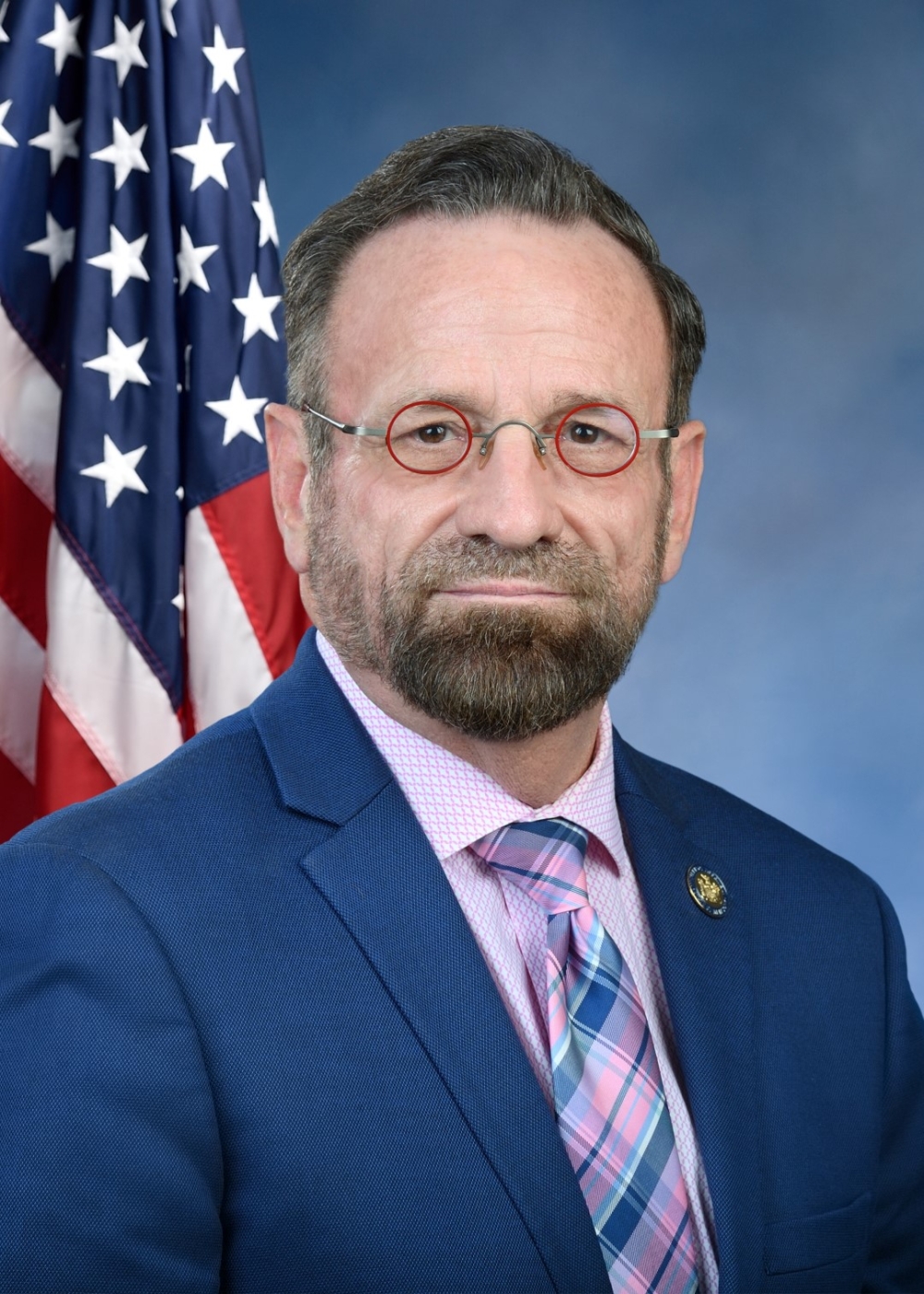
Asm. Harry Bronson
Sponsored bills
Maddy summaryThis bill (A 1467) adds "to recover after a stillbirth" as a qualifying reason for paid family leave under New York's workers' compensation law. It directly affects employees who experience a stillbirth, allowing them to take paid leave for recovery. The key provision amends existing law to include stillbirth recovery alongside other covered reasons like bonding with a newborn or caring for a family member with a serious health condition. The change applies to all policies or contracts issued, renewed, or modified after the effective date. This is a specific policy update to expand access to paid leave for a defined health-related event.
Authorizes retail licenses to sell liquor for on-premises consumption at airline lounges located within an airport and owned, leased, or operated by a United States certified airline.
Requires fashion sellers to carry out environmental due diligence for the portions of their business related to wearing apparel, footwear or fashion bags, including wearing apparel, footwear or fashion bags produced as a private label; establishes a fashion remediation fund.
Expands protections regarding violations of safety conditions in adult care facilities; provides penalties for safety violations and operating without a valid license; prohibits reductions in fines in certain circumstances where a patient is endangered or harmed.
Adjusts the calculation of the empire state child credit to provide for a one thousand dollar credit per qualifying child who is less than four years of age and a five hundred dollar credit per qualifying child who is four years of age or older for certain qualifying taxpayers.
Establishes the office of flooding prevention and mitigation to manage and coordinate the work of task forces, commissions, and other bodies and programs tasked with examining issues related to flooding, to review and assess best practices and make recommendations regarding flood prevention and mitigation, and to assist municipalities in developing strategies and policies to combat flooding.
Maddy summaryThis bill creates the Strategic Investment in Workforce Development Program within New York's Urban Development Corporation. It directs the program to collaborate with state agencies to identify workforce shortages, train youth, and support unemployed or underemployed individuals - particularly in high-skill industries. Eligible applicants include employers, nonprofits, and training programs serving these groups, with at least 20% of funds reserved for small businesses and minority/women-owned enterprises. The program must fund training costs (classroom, on-the-job, curriculum) and report annually on participants, certifications, and program evaluations starting in 2027.
Provides grounds for attachment; relates to procedures where employees may hold shareholders of non-publicly traded corporations personally liable for wage theft; relates to rights for victims of wage theft to hold the ten members with the largest ownership interests in a company personally liable for wage theft; relates to penalties for certain wage violations.
Maddy summaryThis bill changes how New York employers calculate unemployment insurance taxes by raising the wage base threshold. For most years, it sets a specific dollar limit (e.g., $12,500 for 2024) above which wages are no longer subject to the tax. Starting in 2025, the threshold shifts to 18% of the state’s average annual wage (rounded up to the nearest $100), ensuring the base grows with wage trends. The bill directly affects all employers paying unemployment insurance contributions, altering their tax burden based on updated payroll calculations.