

Expands health care services provided by telehealth to include services delivered through a facility licensed under article twenty-eight of the public health law that is eligible to be designated or has received a designation as a federally qualified health center, including those facilities that are also licensed under article thirty-one or article thirty-two of the mental hygiene law.
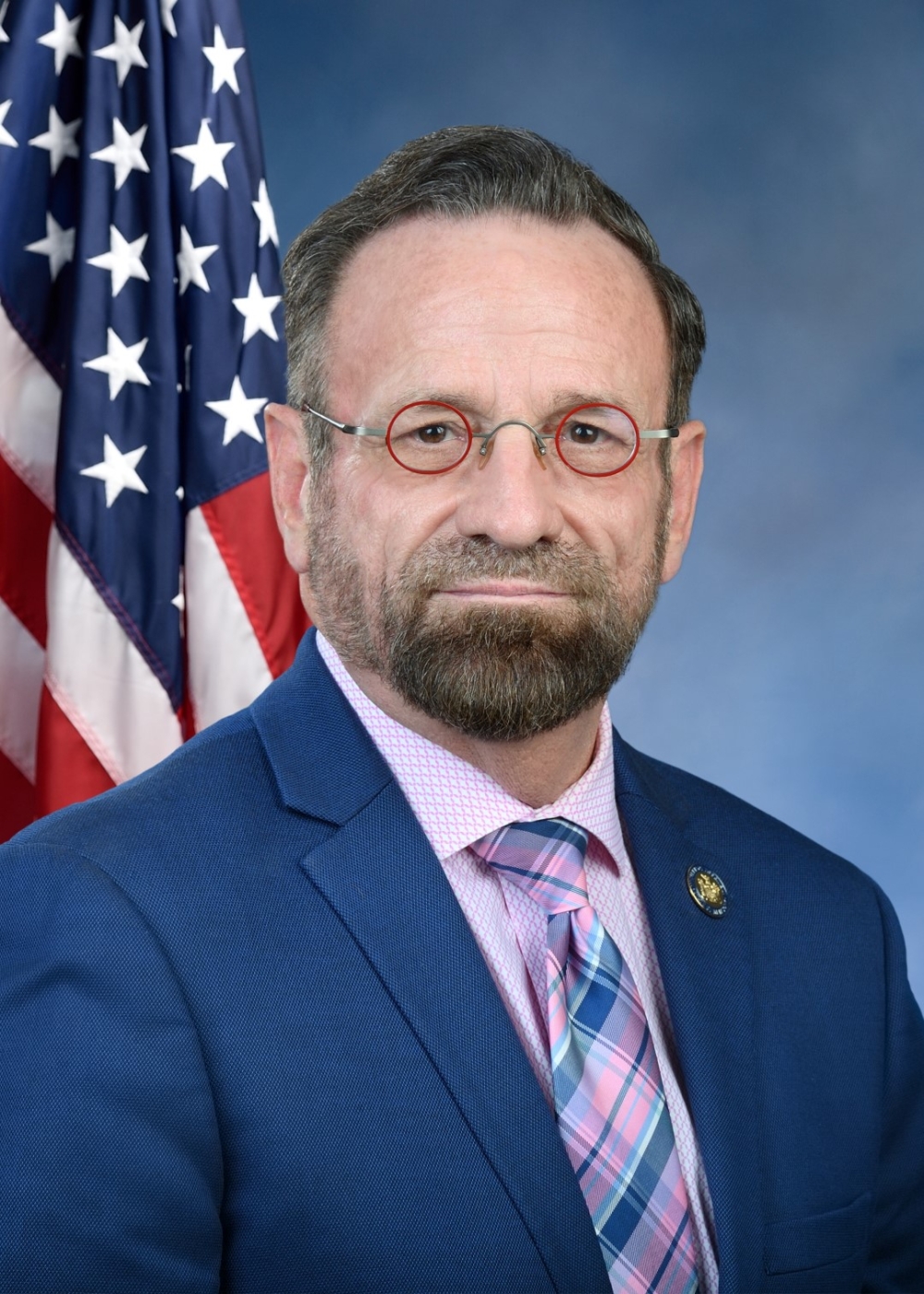
Asm. Harry Bronson
Sponsored bills
Maddy summaryThis bill establishes a 32-hour standard workweek for most employees, replacing the typical 40-hour week. It directly affects most private-sector workers, excluding farm workers and employees covered under specific provisions of labor law (section 220). Key provisions allow for overtime agreements with higher pay, but prohibit such arrangements for state/municipal employees, contractors, or subcontractors. The law takes effect immediately upon passage.
Provides that to achieve cost savings to businesses and the state, improve decision timeliness, and minimize wrong-sized payments to eligible beneficiaries the department of labor shall obtain current employment and income information from a third-party provider, supplementing current state wage reporting files from the department of taxation and finance.
Relates to establishing the housing access voucher program; provides that the commissioner of the division of housing and community renewal shall implement a program of rental assistance in the form of housing vouchers for eligible individuals and families who are homeless or who face an imminent loss of housing; provides that the commissioner shall designate housing access voucher local administrators in the state to administer the program.
Requires health insurance policies include coverage for anesthesia for the entire duration of a procedure for which a licensed medical practitioner has issued an order for such anesthesia.
Maddy summaryThis New York State bill allows for advance payments of the Earned Income Tax Credit (EITC) to qualifying low-income workers, replacing the current system where refunds are issued after annual tax filing. Eligible workers - including those aged 19 or older (down from 25) and without children - will receive four payments: three during the year (20% of the expected credit) and one adjusted payment after the tax year ends. The bill also increases the credit percentage for 2027 and later years (up to 40%), raises the income threshold for phaseout to $24,960 (from $11,610), and includes annual inflation adjustments. Payments will be delivered via direct deposit or electronic benefit transfer (EBT) card.
Establishes the New York brewery empowerment and economic revitalization credit in the amount of seven cents per gallon of beer produced in the state; sets eligibility criteria; makes related provisions.
Establishes the bank of Rochester, including provisions related to definitions; sponsors and corporate structure; powers and restrictions; governance; charter requirements; financial and operations frameworks; transparency and financial reporting; insurance; deposits; policy mandates; ethics and financial disclosure; inconsistency with other laws; and owners not to be considered bank holding companies.
Maddy summaryThis bill requires state employees in New York to provide written acknowledgment when changing job titles or responsibilities that affect their retirement membership eligibility or service credit accrual. Both the employee and employer must sign a statement confirming the change and its effective date, then submit it to the retirement board or comptroller within 30 days. It directly affects public employees whose roles transition between retirement-eligible and non-eligible positions, ensuring formal documentation of eligibility changes.
Maddy summaryThis bill (A4087) requires work zone signs and signs marking truss-type construction buildings to include a scannable code. When scanned with a mobile device, the code displays the sign's content in the most common non-English/Spanish language within a 10-mile radius of the user. All such signs must also be printed in both English and Spanish and include this code starting one year after the bill's effective date. The law directly affects construction sites, emergency responders, and pedestrians in areas with residential housing or pedestrian traffic.