

Maddy summaryThis bill eliminates a $10 one-time service charge for veterans applying for special license plates in New York. It directly affects veterans of the U.S. armed forces who currently pay this additional fee when requesting veterans-themed license plates. The bill removes the $10 charge from multiple sections of the vehicle and traffic law, while maintaining the standard registration fee. Veterans will no longer pay this extra fee for these plates, though regular registration costs remain unchanged. The change applies to all existing veterans' plate programs covered by the amended law.
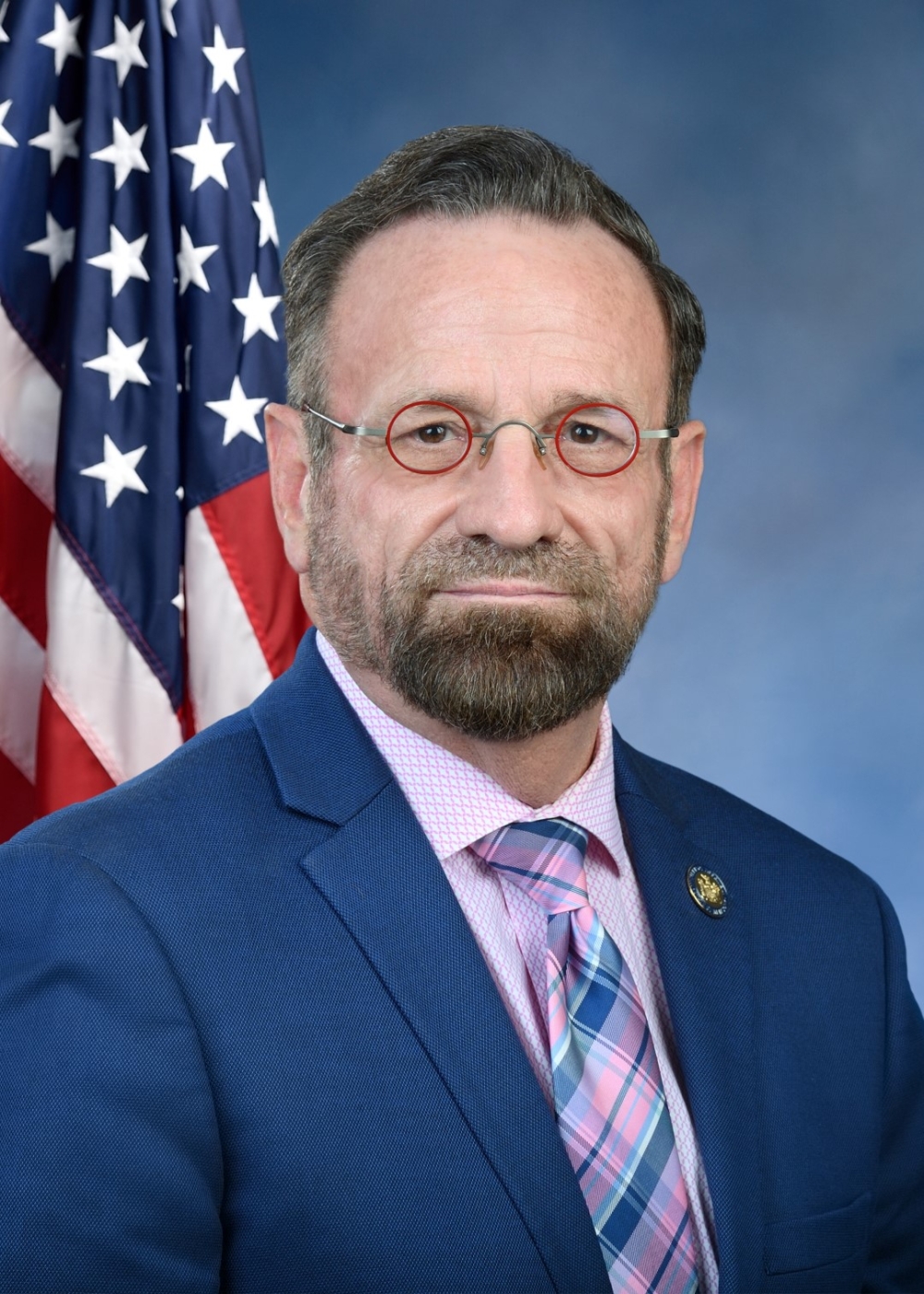
Asm. Harry Bronson
Sponsored bills
Requires the department of transportation to issue a notice of completed application upon receipt and following an initial review of the application and determining that the application is complete or identifying additional information required or to be submitted by the applicant and requires the commissioner of transportation to establish regulations regarding the time within which such application is processed.
Provides that restaurants may provide single-use plastic straws to customers when explicitly requested by the customer; prohibits single-use plastic stirrers.
Directs the commissioner of education to make recommendations to the board of regents regarding the incorporation of instruction in artificial intelligence system literacy into the school curriculum at the elementary, junior high and senior high levels; directs the board of regents to adopt guidelines if the curriculum is adopted.
Designates unlawful fleeing a police officer in a motor vehicle in the third degree as a class E felony; designates unlawful fleeing a police officer in a motor vehicle in the second degree as a class D violent felony offense; designates unlawful fleeing a police officer in a motor vehicle in the first degree as a class B violent felony offense.
Maddy summaryThis bill expands the legal definition of "employer" to include specific public entities: certain child welfare agencies and nonprofits receiving at least 50% of their budget from government sources. It requires all public employers under this new definition to develop and implement workplace violence prevention programs. The law takes immediate effect and applies to state agencies, local governments, public authorities, and the newly included entities. The change clarifies which organizations must comply with workplace safety requirements under New York's labor law.
Relates to procedures relating to driving while ability impaired by drugs; defines impairment and intoxication; updates procedures for field testing of drivers suspected of being under the influence of drugs to include the use of oral/bodily fluid tests; provides that refusal to submit to such field tests is specified to be a traffic infraction; makes related provisions.
Establishes workplace readiness week to educate minors in relation to their workplace rights; requires eleventh and twelfth graders to receive education on workplace rights; requires a document on workplace rights to be provided to any minor seeking working papers.
Creates an adult high school workforce development demonstration project in Rochester; defines "adult high school workforce development demonstration project" or "program" to mean a private or independent high school registered by the department which provides adult learners with an appropriate academic environment, career credentialing programs and access to wraparound services provided by the operator or any entity partnered which such operator to address barriers to enable adult learners to pursue and obtain, subject to satisfactory completion of the requirements set forth within this article, a high school diploma.
Maddy summaryThis bill amends New York State laws to allow personal caregivers to visit residents of nursing homes and adult care facilities at any time, not just during public health emergencies. It removes previous restrictions that limited visits to emergency periods, requiring facilities to admit compliant caregivers without time limitations. The change applies to all caregivers meeting federal and state health regulations, ensuring facilities cannot deny access based on outdated emergency rules. The law takes effect immediately upon passage, directly impacting caregivers and residents in these facilities.