

Clarifies the definition of custom fabrication for the purposes of prevailing wage; requires certain reports for public works contracts including such custom fabrication.
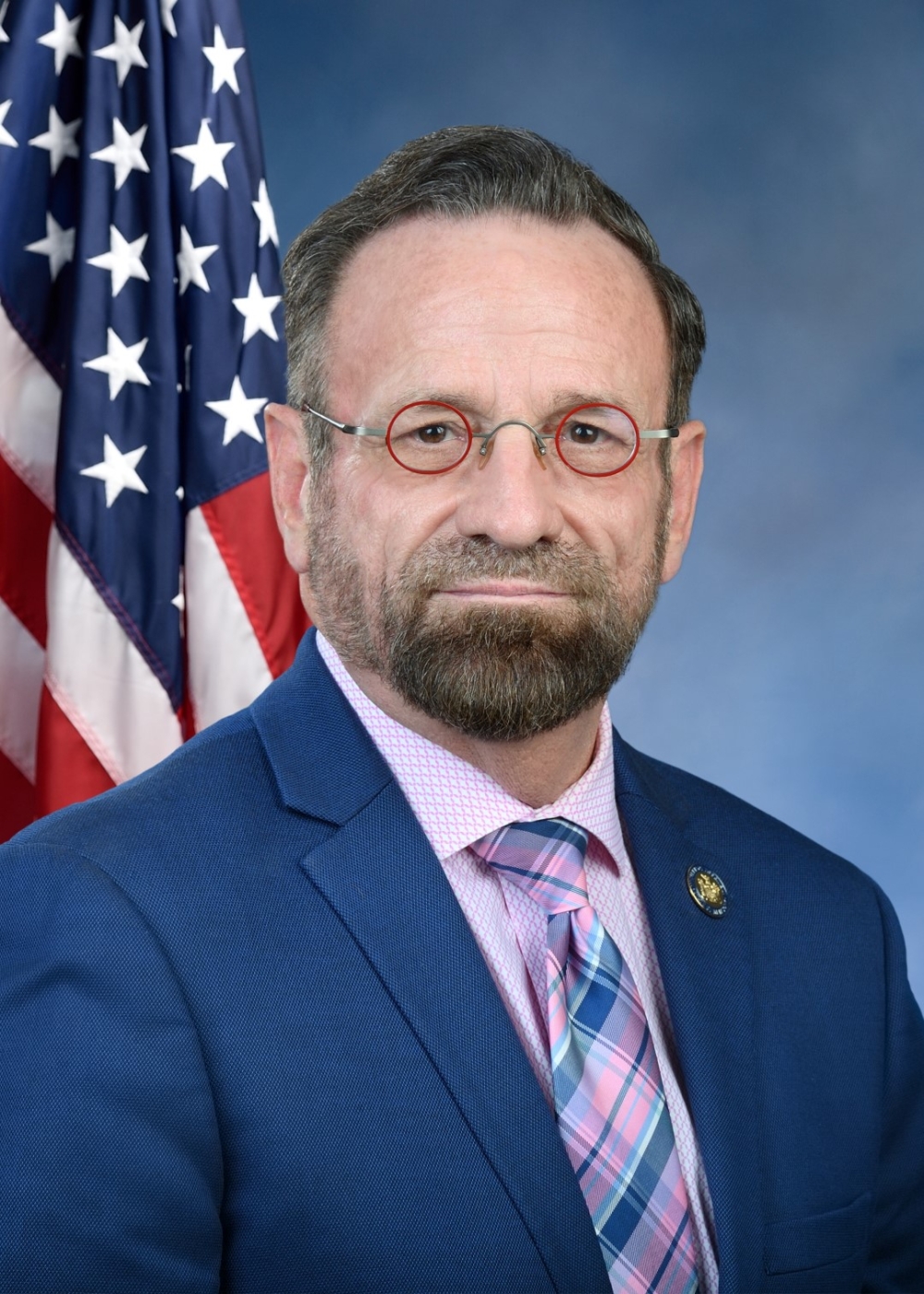
Asm. Harry Bronson
Sponsored bills
Prohibits and regulates the discovery and disclosure of immigration status; prohibits police officers, peace officers, school resource officers, probation agencies, state entities, state employees, and municipal corporations from questioning individuals regarding their citizenship or immigration status; regulates the disclosure of information relating to immigration status; prohibits an educational agency, higher education agency, school employee, school safety personnel, or third-party contractor from collecting information about a person's citizenship, immigration status, nationality, or country of origin, unless required by law or necessary to administer a public program or benefit sought by such person.
Eliminates certain court surcharges and fees and probation and parole surcharges and fees; eliminates the requirement that a parolee or releasee receiving a merit termination of sentence be financially able to comply with an order of restitution; eliminates the requirement that a person receiving a discharge of sentence be financially able to comply with an order of restitution and the payment of certain surcharges or fees (Part A); mandates that courts engage in an individualized assessment of a person's financial ability to pay a fine prior to imposing a fine (Part B); eliminates the availability of incarceration as a remedy for a failure to pay a fine, surcharge, or fee, lifts and vacates existing warrants issued solely on a person's failure to timely pay a fine, surcharge or fee and ends existing sentences of incarceration based on such failure (Part C); vacates existing unsatisfied civil judgments based on a person's failure to timely pay a surcharge, or fee (Part D); prohibits the collection of a fine, restitution or reparation from the funds of an incarcerated person; prohibits the payment of court fines, mandatory surcharges, certain fees, restitution, reparation or forfeitures from the earnings of prisoners (Part E); vacates existing unpaid surcharges, DNA databank fees, crime victim assistance fees, sexual offender registration fees, supplemental sex offender victim fees, or probation or parole supervision fees; repeals certain provisions of law relating to restrictions on remitting such fees (Part F).
Prohibits the sale of certain products that contain regulated perfluoroalkyl and polyfluoroalkyl substances; requires manufacturers of products containing PFAS to provide notice of such fact to persons that offer the products for sale or distribution; provides penalties for violations.
Maddy summaryThis bill creates a special "North Country Honor Flight" license plate for New York vehicle owners. Drivers who choose this plate pay an additional $25 annual fee on top of standard registration costs. Revenue exceeding $6,000 yearly from these fees is directed to the North Country Honor Flight fund, which supports a veterans' travel program helping veterans visit memorials. The fund is managed by state officials and can also accept grants or donations for this purpose.
Requires training for teachers, administrators and instructors in the area of mental health response; requires office of mental health to assist in development of curriculum for training.
Establishes the climate corporate data accountability act requiring certain business entities within the state to annually disclose scope 1, scope 2 and scope 3 emissions; establishes the climate accountability and emissions disclosure fund.
Maddy summaryThis bill allows the school districts in Buffalo, Rochester, Syracuse, and Yonkers to provide transportation for students living half a mile or more from school if safety concerns require it, as determined by the state education commissioner. It restricts transportation to routes between students' homes or approved childcare locations, limits coverage to 15 miles per student, and requires equal access for all students in similar circumstances. School districts must report program results, including cost-benefit analysis and impacts on attendance and academic performance, to state officials by 2028. The bill directly affects these four urban school districts and their students, creating a new state-approved transportation program for safety-related needs.
Maddy summaryThis bill adds two new judicial districts (14 and 15) to New York State's fourth judicial department, reorganizing the state's judicial structure. District 14 covers Onondaga County, while District 15 includes Allegany, Cattaraugus, Chautauqua, Genesee, Livingston, Niagara, Orleans, Steuben, and Wyoming counties. The bill adjusts the number of supreme court justices for all 15 districts, specifying nine justices for District 14 and thirteen for District 15. These changes affect judicial administration, including county assignments and staffing levels across New York's court system.
Allows for justices to reside in any town, village or city contained in whole or in part within the same assembly district, county or adjoining county as the court such justice serves or in an assembly district contiguous to such municipality where the court is located, provided such assembly district is contained entirely within a single county; sets forth residence requirements where an assembly district encompasses two or more counties; authorizes towns and villages to require that any person who serves as a town or village justice be admitted to practice law in the state.