

Maddy summaryThis bill (A 999) updates New York's definition of developmental disability in the mental hygiene law to explicitly include fetal alcohol spectrum disorders (FASD), covering conditions like fetal alcohol syndrome (FAS), partial FAS, and alcohol-related neurodevelopmental disorder (ARND). It directly affects individuals with FASD who meet specific criteria: being over age 7, having a diagnosed FASD by a qualified provider, having the condition start before age 22, showing it will likely continue indefinitely, and experiencing significant impact on daily living activities. The key mechanism is adding these FASD conditions to the list of qualifying disabilities, aligning them with existing conditions like autism or cerebral palsy for eligibility purposes. This change ensures FASD is formally recognized under the state's developmental disability framework, affecting how individuals access related services and support.
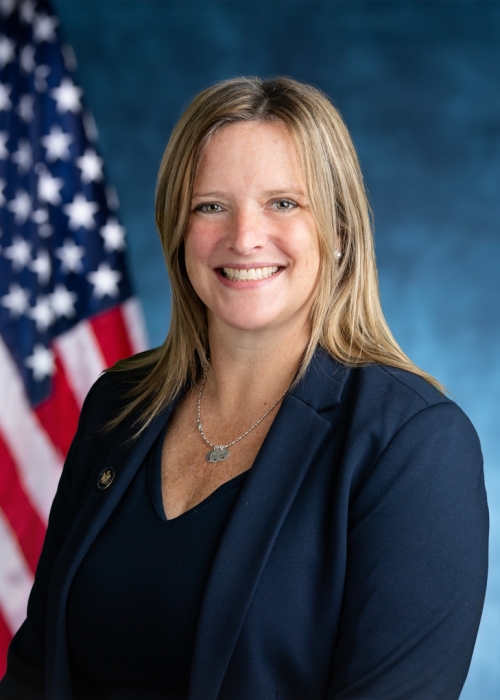
Asm. Sarah Clark
Sponsored bills
Maddy summaryThis bill imposes an additional tax on New York residents' long-term investment profits, specifically targeting income from capital gains, dividends, and other low-taxed investments. It applies to higher earners: individuals with taxable income over $400,000 (or $500,000 for married couples filing jointly) face a 7.5% tax on capital gains above those thresholds, with a higher 15% rate kicking in above $800,000 (or $1 million for couples). The tax phases in gradually over the first $50,000 or $100,000 of income exceeding the thresholds. It functions as an add-on to existing income tax, not a replacement, and will be administered by New York’s tax department.
Enacts the "Empowering People in Rights Enforcement (EMPIRE) Worker Protection Act"; relates to the delegation of state enforcement authority to private actors; authorizes an affected employee, whistleblower, representative organization or an organizational deputy to initiate a public enforcement action on behalf of the commissioner for certain provisions of the labor law, or any regulation promulgated thereunder.
Maddy summaryThis bill prohibits landlords, lessors, sub-lessors, and grantors from requiring tenants to pay broker fees. It directly affects residential tenants by preventing landlords from charging them for brokerage services related to lease applications or tenancy. The law allows landlords to still charge for background and credit checks, but bans all other upfront fees like broker commissions. Exceptions apply to certain senior living communities and cooperative housing corporations under specific conditions.
Provides protections for telecommunications tower technicians, including requiring certain trainings during work hours without a loss of pay; requires certain reporting by bidders for telecommunication contracts.
Enacts the "Lieutenant Joseph Banish mental health act" which establishes a law enforcement peer support program to provide confidentiality for communications arising out of law enforcement peer support counseling; defines terms; provides exceptions for when a peer support communication may be disclosed.
Maddy summaryThis bill updates caregiver-to-child ratios for day care homes in New York. It requires one caregiver for every two children under eighteen months of age in both group family day care homes (serving 7-12 children) and family day care homes (serving 3-6 children). The change replaces the previous "two years" requirement with "eighteen months," tightening standards for infant supervision. These provisions directly affect day care providers operating under these specific home-based care models.
Requires hospitals to establish a violence prevention program which includes a workplace safety and security assessment and develop a safety and security plan that addresses identified workplace violence threats or hazards.
Maddy summaryBill A 5320 expands tuition assistance eligibility in New York to include students experiencing homelessness, aligning with federal McKinney-Vento Act standards. It requires the state to adopt a uniform verification method for homelessness status using the same federal guidelines applied to student financial aid. The bill also clarifies that homeless students (classified under federal foster care or McKinney-Vento criteria) cannot be considered "emancipated" for aid purposes, ensuring they retain eligibility without requiring parental control relinquishment. This directly affects homeless students seeking state tuition assistance under New York’s education law.
Expands eligibility for the tuition assistance program by restoring eligibility to graduate students; makes optional semesters, quarters or terms eligible for awards.