

Maddy summaryThis bill requires transit authorities and their subsidiaries to ensure accessible buses (wheelchair-friendly) are available within a three-mile service area of any bus line. It mandates that 65% of all regularly operated buses must be accessible, achieved by requiring all newly purchased, leased, or brought-into-service buses (except those for temporary shortages) to be accessible until the 65% threshold is met. The law directly affects public transit agencies like the MTA, ensuring better access for transportation-disabled riders, including wheelchair users, on fixed-route bus services. Key provisions include the 65% accessibility target and the 3-mile service area requirement for accessible buses.
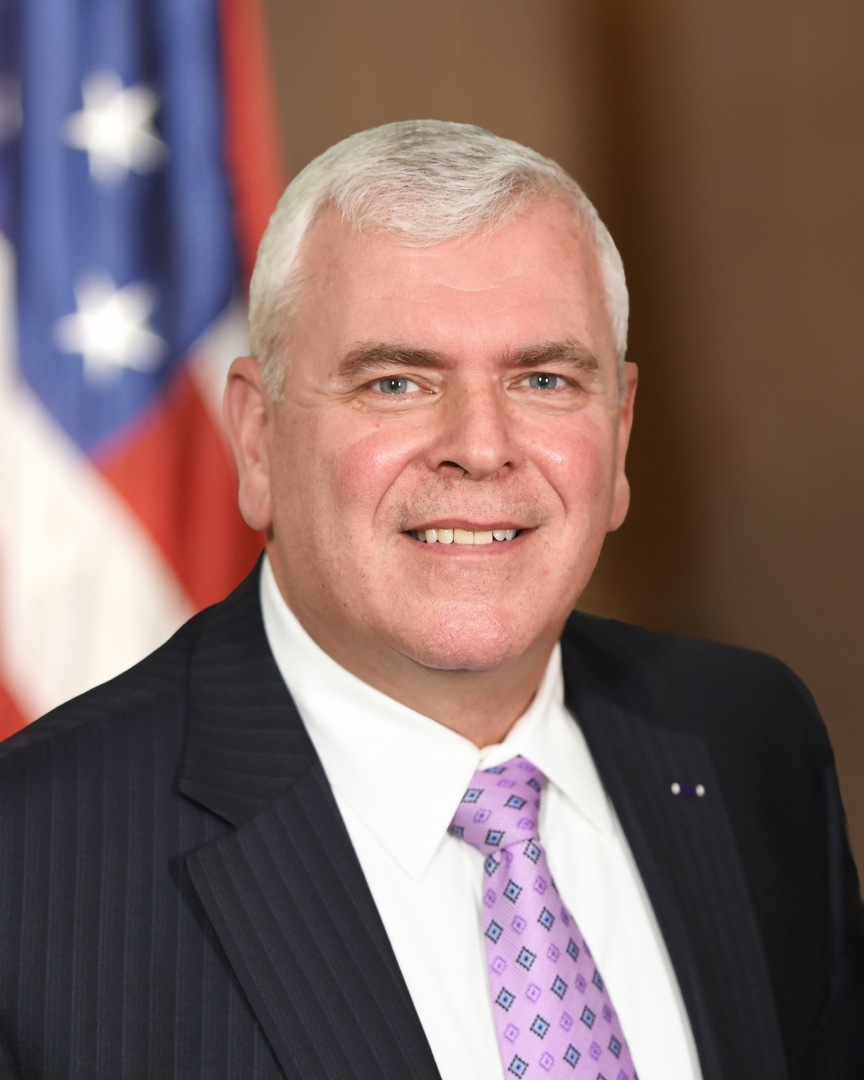
Asm. Joe Angelino
Sponsored bills
Authorizes school districts to submit an opt-out waiver to the commissioner of education authorizing such districts to opt-out of certain zero-emission school bus requirements.
Maddy summaryThis bill increases New York State's earned income tax credit (EITC) for tax returns filed in 2025 and later, raising the credit percentage from 30% to 45% of the federal EITC amount. It directly affects low-to-moderate income workers and families who qualify for the state EITC, primarily those with children or who meet income thresholds. The bill adds new payment options: small credits ($200 or less) are paid as a lump sum, medium credits ($200-$2,400) as three quarterly payments, and larger credits ($2,400+) as monthly installments. The changes take effect for taxable years beginning January 1, 2025, and are implemented through updated tax law provisions.
Maddy summaryThis bill creates tax-advantaged savings accounts for small businesses, allowing them to deduct contributions (up to 10% of prior year's gross profits) and receive tax-free distributions during qualifying economic hardship. It directly affects eligible small businesses with 25 or fewer average full-time employees and under $250,000 annual net income. Key provisions include requiring hardship distributions to fund worker hiring or job retention, setting annual limits on qualified distributions, and mandating reinvestment plans for hardship withdrawals. The tax exemptions for contributions and qualified distributions begin in 2025, with penalties for misusing funds.
Requires a government photo identification card to be presented when casting a ballot; provides for a method to receive a government photo identification card at no charge; provides that notaries are not permitted to collect a fee for collecting the documents required.
Allows reservists who have served or who are currently serving in the United States armed forces to be eligible for 2.5 points on civil service examinations.
Includes any parent or parent of a minor who cares for such minor child with an intellectual or developmental disability within the health care and mental hygiene worker bonuses.
Requires municipal corporations to approve any facility intending to house asylum seekers prior to their establishment; establishes a review process that incorporates notice to the public and the opportunity for the public to comment; renders a decision within 8 weeks.
Provides that a person who has previously been subjected to two or more petit larceny convictions within 18 months immediately preceding the charge and the aggregate value of the property exceeds one thousand dollars, the person is guilty of grand larceny in the fourth degree.
Maddy summaryThis bill (A 2393) doubles the annual funding cap for the child care tax credit program from $25 million to $50 million per year for businesses providing child care services in New York. It directly affects eligible businesses that qualify under existing rules by increasing the total pool of funds available for their tax credits. The key mechanism requires the state Office to allocate the $50 million pro-rata (based on proportion) to all qualifying business entities that demonstrate eligibility. This change applies to the 2023-2024 fiscal period and takes effect immediately.