

Maddy summaryThis bill updates how New York State calculates payment rates for federally qualified health centers (FQHCs), which provide primary care in underserved communities. It changes the rate calculation method: through 2025, rates use the Medicare Economic Index, and after 2025, they use a federal cost adjustment formula (FQHC Market Basket inflator) adjusted for service scope. The state health department must analyze actual FQHC costs every three years starting in 2025 to set updated rates, ensuring payments reflect real costs while guaranteeing no facility receives a rate lower than the 2025 level. This directly affects FQHCs by potentially increasing their state-funded payments based on verified operational expenses.
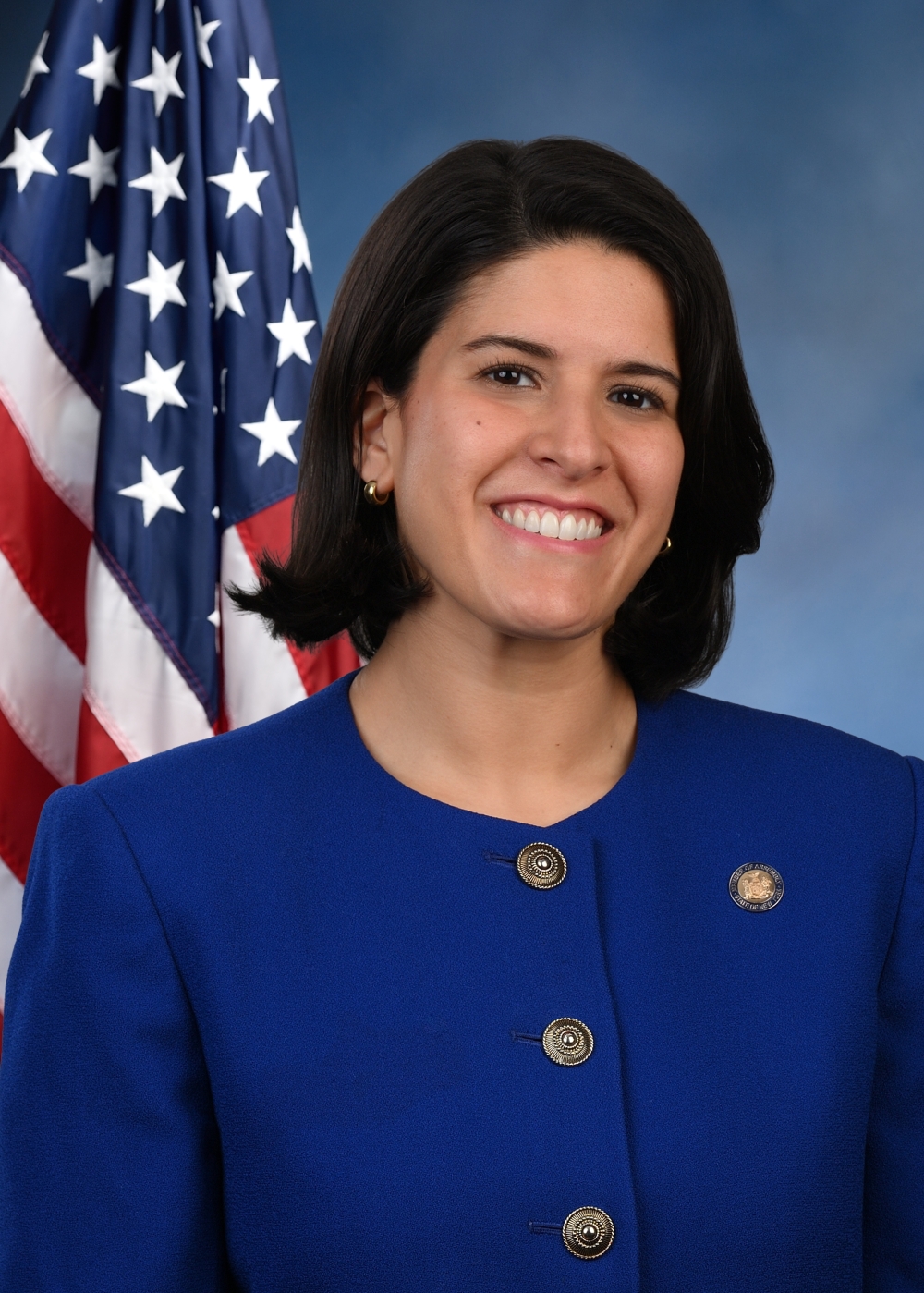
Asm. Gabriella Romero
Sponsored bills
Maddy summaryThis bill allows the New York Department of Motor Vehicles to share vehicle accident report data with private companies under contract. It permits the release of non-private information from accident reports to responsible vendors while prohibiting them from reselling the data or assigning the contract. The legislation also updates accident report forms to include specific vehicle types such as electric scooters and bicycles with electric assist. The bill takes effect immediately upon passage.
Maddy summaryThis bill sets limits on property tax increases for New York counties, cities, towns, and villages (excluding New York City and certain counties). It specifically caps how much local governments can raise taxes to cover teacher retirement costs when the required contribution rate jumps more than 2 percentage points from the previous year. The law clarifies that these limits apply to most property tax levies but exclude certain special assessments authorized under specific state provisions. The goal is to prevent sudden, large tax hikes on residents by tying increases to predictable factors like retirement system costs.
Directs the department of public service to adjust each utility corporation's residential fixed charge upon such corporation's filing with the department of an amendment of rate schedules, to recover only the fixed costs and operation and maintenance expenses directly related to metering, billing, service connections and the provision of customer service.
Prohibits governmental entities from entering into agreements to house individuals in immigration detention facilities; requires governmental entities to terminate existing contracts for the detention of individuals in immigration detention facilities.
Enacts the "PFAS discharge disclosure act"; requires certain SPDES permit holders to conduct PFAS monitoring and disclose the results from such monitoring.
Enacts the accelerate solar for affordable power (ASAP) act to set a new target for distributed solar energy capacity and direct the public service commission to advance reforms to the utility interconnection process to ensure timely and cost-effective integration of new distributed energy resources.
Establishes the youth justice innovation fund to make funds available to community-based organizations for services and programs with the purpose of youth development and preventing youth arrest and incarceration.
Prohibits and regulates the discovery and disclosure of immigration status; prohibits police officers, peace officers, school resource officers, probation agencies, state entities, state employees, and municipal corporations from questioning individuals regarding their citizenship or immigration status; regulates the disclosure of information relating to immigration status; prohibits an educational agency, higher education agency, school employee, school safety personnel, or third-party contractor from collecting information about a person's citizenship, immigration status, nationality, or country of origin, unless required by law or necessary to administer a public program or benefit sought by such person.
Eliminates certain court surcharges and fees and probation and parole surcharges and fees; eliminates the requirement that a parolee or releasee receiving a merit termination of sentence be financially able to comply with an order of restitution; eliminates the requirement that a person receiving a discharge of sentence be financially able to comply with an order of restitution and the payment of certain surcharges or fees (Part A); mandates that courts engage in an individualized assessment of a person's financial ability to pay a fine prior to imposing a fine (Part B); eliminates the availability of incarceration as a remedy for a failure to pay a fine, surcharge, or fee, lifts and vacates existing warrants issued solely on a person's failure to timely pay a fine, surcharge or fee and ends existing sentences of incarceration based on such failure (Part C); vacates existing unsatisfied civil judgments based on a person's failure to timely pay a surcharge, or fee (Part D); prohibits the collection of a fine, restitution or reparation from the funds of an incarcerated person; prohibits the payment of court fines, mandatory surcharges, certain fees, restitution, reparation or forfeitures from the earnings of prisoners (Part E); vacates existing unpaid surcharges, DNA databank fees, crime victim assistance fees, sexual offender registration fees, supplemental sex offender victim fees, or probation or parole supervision fees; repeals certain provisions of law relating to restrictions on remitting such fees (Part F).