

Maddy summaryThis bill creates a new procedure allowing parties to request the court of appeals to reconsider a prior decision if a subsequent state law contradicts that ruling. It applies to ongoing cases (not yet final) where new legislation directly conflicts with the court's previous legal interpretation. Parties must file a motion within 90 days of the new law's enactment or effective date, and the court must then consider all legal issues affected by the new law, even if those issues weren't previously addressed. The bill does not change the outcome of cases but provides a specific process for courts to revisit decisions based on new legislative action.
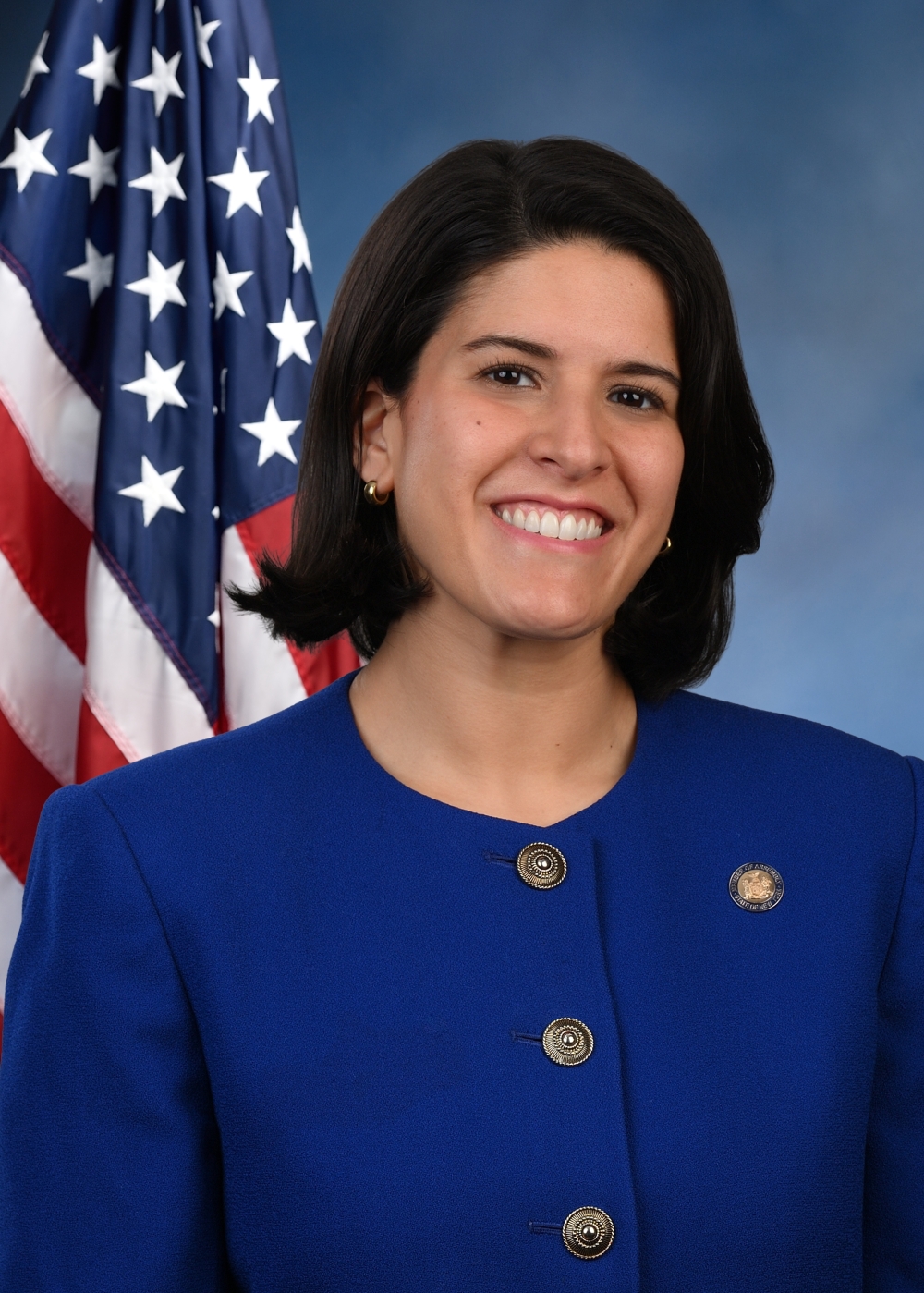
Asm. Gabriella Romero
Sponsored bills
Updates the fee collected by county clerks and clerks for the city of New York for deposit into the cultural education account from $15 to $30; increases the amount retained by the county or city from $0.75 to $1.00.
Establishes the New York Health program, a comprehensive system of access to health insurance for New York state residents; provides for administrative structure of the plan; provides for powers and duties of the board of trustees, the scope of benefits, payment methodologies and care coordination; establishes the New York Health Trust Fund which would hold monies from a variety of sources to be used solely to finance the plan; enacts provisions relating to financing of New York Health, including a payroll assessment, similar to the Medicare tax; establishes a temporary commission on implementation of the plan; provides for collective negotiations by health care providers with New York Health.
Maddy summaryThis bill significantly expands eligibility for judicial diversion programs, allowing individuals charged with a broader range of offenses to participate if they have a "qualifying diagnosis." This diagnosis includes serious mental disorders, other mental health disorders causing severe functional impairment, or substance use disorders. While most Class A felonies and Class B sexual offenses are generally excluded, the bill establishes a new "diversion part" in each county. It also redefines "treatment" within these programs to include evidence-based interventions outside of carceral settings.
Establishes a program for specific individuals to become complex care assistants and provide private duty nursing services to certain Medicaid enrollees.
Establishes the baby bucks allowance to provide income to eligible participants for the last three months of pregnancy and the first 18 months of the child's life; excludes income received from the baby bucks allowance for purposes of supplemental nutrition assistance program eligibility.
Establishes a state SNAP minimum benefit program to provide a minimum amount of supplemental nutrition assistance program benefits that is higher than the amount of federal SNAP benefits.
Requires high schools in grades nine through twelve to provide a course in financial literacy; requires students to complete such course as a condition of graduation.
Requires all public school districts, charter schools and non-public schools in the state that participate in the national school lunch program or school breakfast program as provided in the national child nutrition act to serve breakfast and lunch at no cost to the student.
Enacts the "home utility weatherization jobs act"; requires each gas corporation, electric corporation, or combination gas or electric corporation to submit to the public service commission for review and approval at least one and up to ten neighborhood scale weatherization and electrification-ready projects.