

Maddy summaryThis bill increases the residential solar tax credit to 26% of qualified solar equipment costs, with new maximum credit amounts: $3,750 for installations before 2026, $5,000 for installations in 2026, and $10,000 for installations in 2027 and after. It applies to homeowners who install solar systems in their principal residence within the state, covering equipment purchases, long-term leases (10+ years), and power purchase agreements (10+ years). The credit can be carried over for up to five years if it exceeds annual tax liability, and for low-income taxpayers or those in disadvantaged communities, excess credit may be refunded starting in 2026.
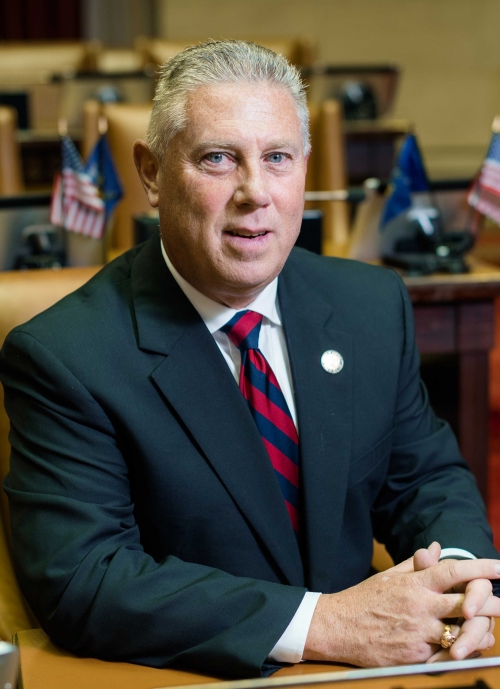
Asm. John McDonald
Sponsored bills
Provides an exception to the requirement that no person shall permit a vehicle to stand unattended without first stopping the engine, if a remote car starter is being used while away from the vehicle to engage the vehicle's climate controls.
Relates to clarifying which entities handle the reporting of pregnancy loss; the responsibilities of health care providers and penalties for not protecting the identities of individuals who suffered a pregnancy loss.
Maddy summaryThis bill requires state, county, and local transportation agencies to design all publicly funded road projects - including construction, reconstruction, and major maintenance - to safely accommodate all users (drivers, pedestrians, cyclists, and transit riders) through "complete street" principles. It applies to projects receiving both federal and state funding under transportation department oversight, excluding routine resurfacing but including projects with a 10+ year lifespan. The law mandates agencies consider factors like traffic volume, population density, and community input when planning, rather than automatically prioritizing vehicles. It does not change existing project approvals but sets new standards for how projects must be designed.
Increases the cap on the credit for contributions to certain funds for contributions to the SUNY Impact Foundation from ten million dollars to twenty million dollars.
Authorizes the sale of private-label liquor at retail for consumption off the premises by certain licensed distillers; requires the labels of such private-label liquors to indicate that the distiller is licensed in New York state; requires reporting.
Maddy summaryThis bill designates October 15th each year as "Tadeusz Kosciuszko Day" in New York State. It amends existing law to add this date to a list of established commemorative days already included in the executive law. The bill has no substantive policy changes or financial impact - it solely creates a symbolic recognition day. It directly affects the state calendar by adding a new observance, but does not alter rights, funding, or obligations for any specific group.
Maddy summaryThis bill exempts individuals aged 75 or older from jury duty upon their written request. It requires the chief court administrator to create a form for seniors to submit, after which they are automatically excused unless they later request reinstatement. The exemption remains in effect until the person formally asks to be considered for jury service again. This policy directly affects senior citizens who qualify and seek relief from jury service obligations.
Maddy summaryThis bill requires New York state agencies and the legislature to proactively publish certain public records on their websites when feasible. It mandates that agencies determine which records - based on their nature, content, or subject matter - are "of substantial interest to the public" and publish them online, excluding records that would invade personal privacy. Agencies may remove records once they no longer meet this standard or after their legal retention period ends. The law also requires records to be published in accessible formats and aligns with existing freedom of information principles without creating new disclosure obligations.
Maddy summaryThis bill amends New York's definition of "small business" for Minority and Women Business Enterprise (MWBE) programs by raising the employee threshold from 300 to 500. It directly affects minority and women-owned businesses seeking MWBE certification to qualify for state contracts. The key provision increases the size limit for small business eligibility under state contracting rules, aligning with federal Small Business Administration standards. The change applies to businesses meeting the new 500-employee standard for MWBE program participation.