

Establishes masked harassment when a person wears a mask or other face covering that intentionally hides or conceals their face for the primary purpose of menacing or threatening another person or placing another person or group of persons in reasonable fear for their physical safety.
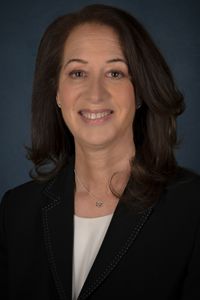
Asm. Paula Kay
Sponsored bills
Maddy summaryThis bill permits liquor stores in New York to sell four specific non-alcoholic items: tonic water, bitters, maraschino cherries, and dealcoholized wine. It amends existing liquor store regulations to explicitly include these items as permissible sales, meaning they no longer count as "engaging in another business" when sold at licensed premises. The change applies directly to liquor and wine wholesalers and retailers who already hold licenses under New York's alcoholic beverage control law. This policy update clarifies that these items may be sold alongside alcoholic beverages without requiring additional licensing or violating current business restrictions.
Maddy summaryThis bill allows New York pharmacists to administer FDA-approved progestin-only contraceptive injections for birth control, expanding access to contraception. Pharmacists must complete a patient risk assessment, provide educational materials, and notify a patient's primary care provider (with opt-out allowed) before administering the injection. They must also complete required training and may refuse service if safety concerns exist. The law directly affects patients seeking contraception - particularly those without regular doctors - and pharmacists who provide this service.
Relates to returnable bottles; adds noncarbonated soft drinks, certain noncarbonated fruit or vegetable juices, coffee and tea beverages, carbonated fruit beverages and cider to the definition of "beverage"; provides that beginning April 1, 2027, the handling fee will be six cents for each beverage container accepted by a deposit initiator from a dealer or operator of a redemption center; directs the multi-agency bottle bill fraud investigation team to submit a report on findings of pervasive bottle redemption fraud in New York state.
Establishes the safe water and infrastructure action program for the purpose of making payments toward the replacement and rehabilitation of certain existing local drinking water, storm water and sanitary sewer systems; applies to any county, city, town, village or public authority drinking water system, storm water system or sanitary sewer system within the state that is not under the maintenance and/or operational jurisdiction of a private entity.
Requires public authorities and public benefit corporations to negotiate with professional firms providing architectural, engineering, geological, landscape architectural or surveying services in order from the most qualified to the least qualified with regard to the provision of services to the authority or corporation.
Directs the hiring of an independent investigator to investigate all 42 correctional facilities in the state to identify any negative policies and practices exiting as such correctional facilities.
Establishes a program for specific individuals to become complex care assistants and provide private duty nursing services to certain Medicaid enrollees.
Maddy summaryThis bill makes permanent the 1993 law allowing electronic court appearances in certain counties, which was previously set to expire in 2025. It directly affects defendants and court participants in those counties who use electronic methods instead of physical court attendance. The key change removes the expiration date, ensuring the electronic appearance process remains in effect indefinitely without needing future legislative action.
Maddy summaryThis bill removes a registration fee requirement for farm vehicles in New York's Metropolitan Commuter Transportation District (MCTD). It amends vehicle and traffic law to explicitly exempt farm vehicles registered under Section 401(13) from paying the MCTD supplemental registration fee. The change applies to farm vehicles registered for agricultural use, directly affecting farmers who operate within the MCTD area. The law now states registrants will not be charged this fee for eligible farm vehicles during registration or renewal.