

Provides for cost-of-living adjustments of disability benefits for an employee with a permanent total disability to be based on an increase of the consumer price index as promulgated by the U.S. department of labor.
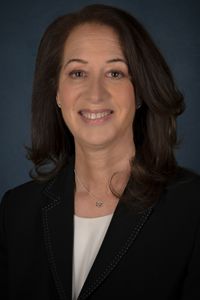
Asm. Paula Kay
Sponsored bills
Maddy summaryThis bill prohibits the sale, distribution, and use of adhesive-based rodent traps (commonly called glue traps or glue boards) in New York State. It bans manufacturers, distributors, and retailers from selling these traps and forbids anyone from using them to capture rodents, including pest control professionals. The law takes effect immediately for new shipments and sales, but retailers and exterminators may sell or use existing stock for one year after the effective date. This directly affects businesses selling pest control products and residents who use these traps for rodent control.
Maddy summaryThis bill requires that maximum fees charged by vehicle inspection stations must be the same across the entire state. It directly affects inspection stations, which must display these uniform fees prominently. The key provision amends existing law to mandate statewide consistency in fee structures, eliminating local variations in maximum inspection costs. The bill takes effect January 1st after enactment.
Maddy summaryThis bill increases paid leave for public employees serving in the military. It raises the maximum annual paid leave from 30 days (or 22 working days) to 60 days (or 52 working days) for time spent on military duty, including travel to and from duty. The change directly affects state and local government workers who are called to active military service. The policy ensures these employees receive full pay for up to the extended leave period without losing their jobs. The bill amends existing law to align with updated military service needs.
Directs the power authority of the state of New York to make low-cost power and energy services available to providers of services for individuals with developmental and/or intellectual disabilities.
Maddy summaryThis bill creates a voluntary contribution option on New York's personal income tax returns, allowing taxpayers to donate any whole dollar amount to the Disability Care Providers Fund. The fund, managed by state tax and finance officials, collects these contributions (which do not reduce a taxpayer's state tax liability) and uses the money exclusively to support disability care providers as defined in New York's mental hygiene law. Annual reports detail how funds are spent, including recipient names, amounts awarded, and purposes. The bill directly affects taxpayers who choose to contribute and disability care providers receiving funding.
Directs the department of health to develop an informational pamphlet concerning perimenopause and menopause, which shall include information concerning the stages of perimenopause and menopause, the signs and side effects, and options for the management and treatment; requires that such informational pamphlet be made available on the department's website and available for order as a printed deliverable; requires practitioners to make such informational pamphlet available to patients.
Prohibits the sale of certain products that contain regulated perfluoroalkyl and polyfluoroalkyl substances; requires manufacturers of products containing PFAS to provide notice of such fact to persons that offer the products for sale or distribution; provides penalties for violations.
Requires training for teachers, administrators and instructors in the area of mental health response; requires office of mental health to assist in development of curriculum for training.
Directs the department of public service to promulgate rules, regulations and model policies regarding setback requirements for the siting of battery energy storage systems; requires minimum setback requirements for commercial energy storage systems, with a capacity of three megawatts or greater, of no less than seven hundred fifty feet from residential property and no less than three hundred feet from residential property located in a city with a population of one million or more inhabitants; requires public hearings prior to the approval of an application for a permit for such systems.