Issue · Labor & Employment

Labor & Employment (Labor Standards)

Every labor & employment bill, vote, and legislator stance in New York, automatically classified by Maddy, our AI policy reader.

Total bills
221
2025 Regular Session
Top supporter
Shelley Mayer
100% support rate
Top opponent
Andrea Bailey
0% support rate
Ranked legislators
10
5 support · 5 oppose
Key legislators

Who's moving labor standards in New York

Legislators moving labor standards in New York
Legislator Party Stance Support rate Votes
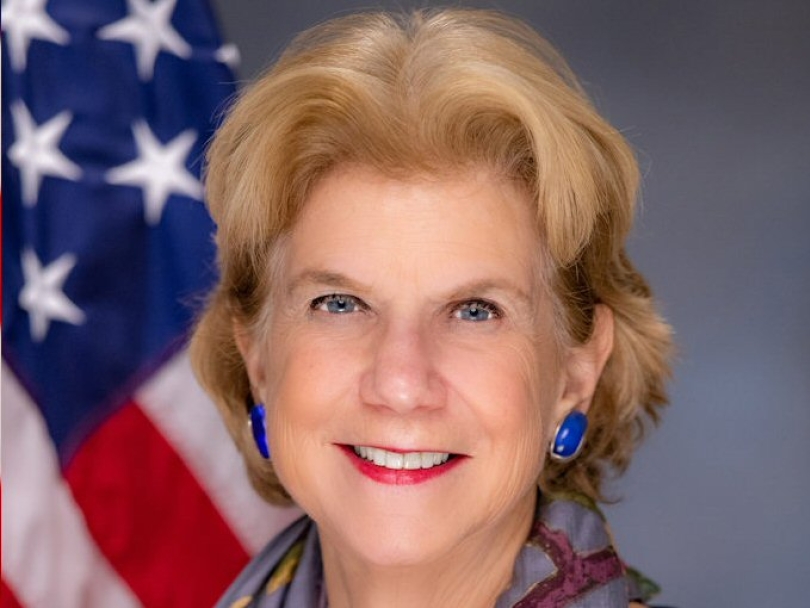
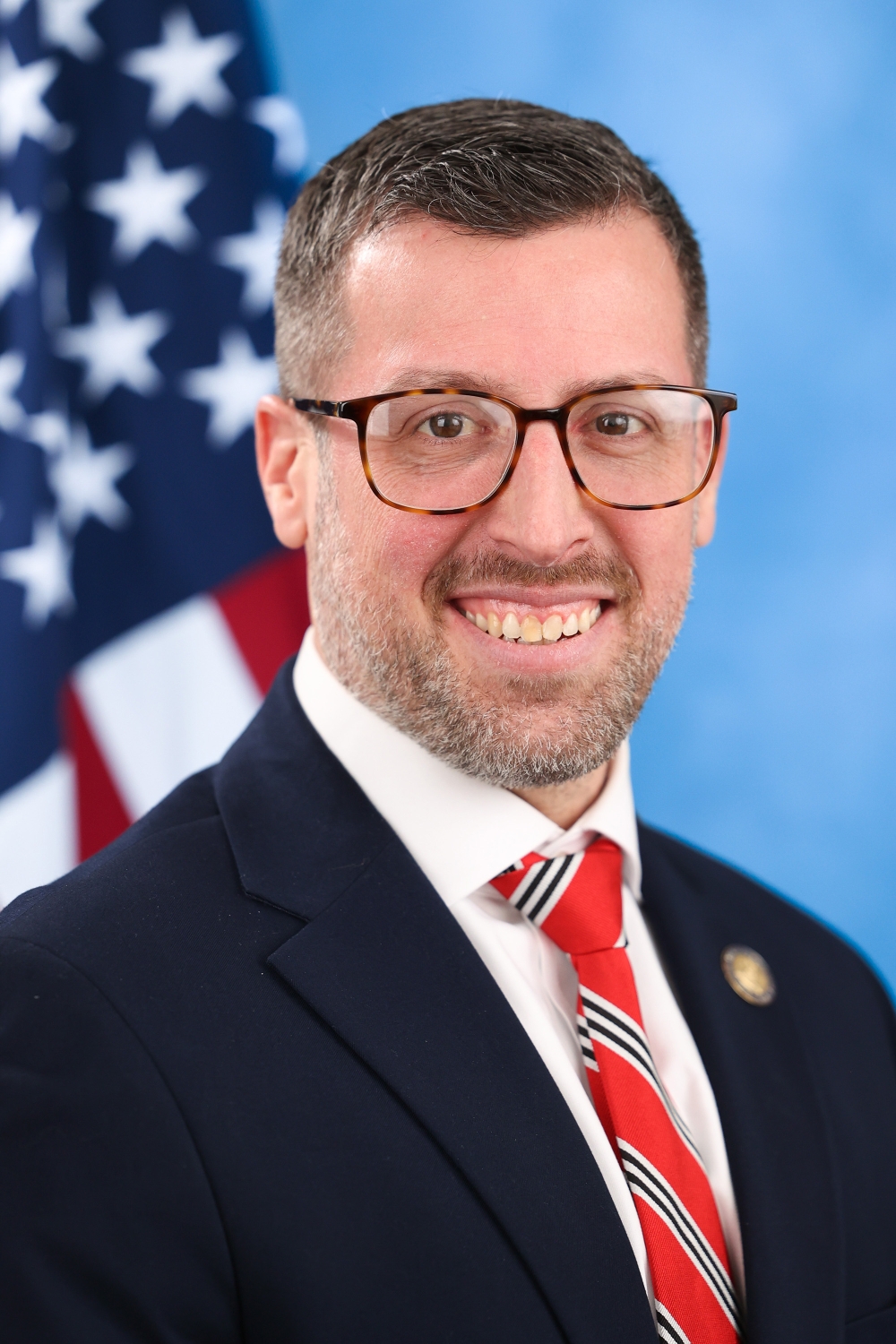
Shelley Mayer
Shelley Mayer Senate · District 37
D
Strong +
100% 20
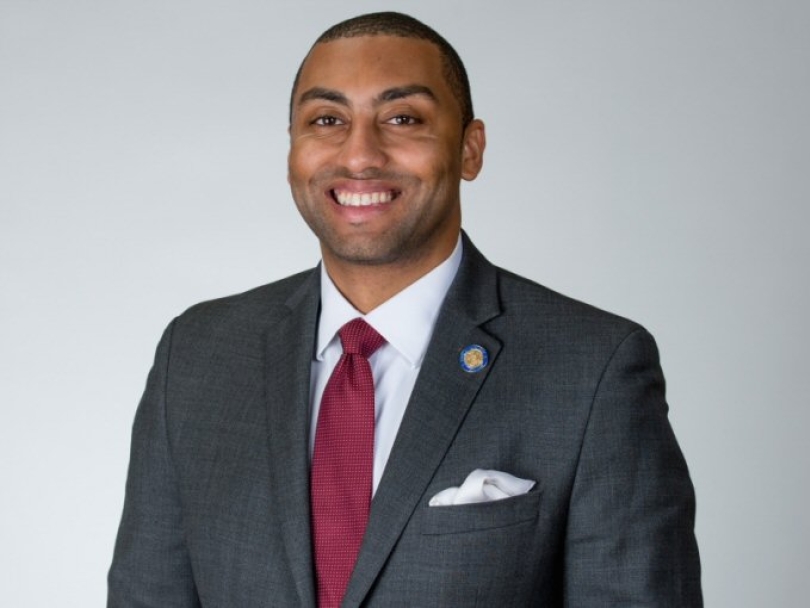
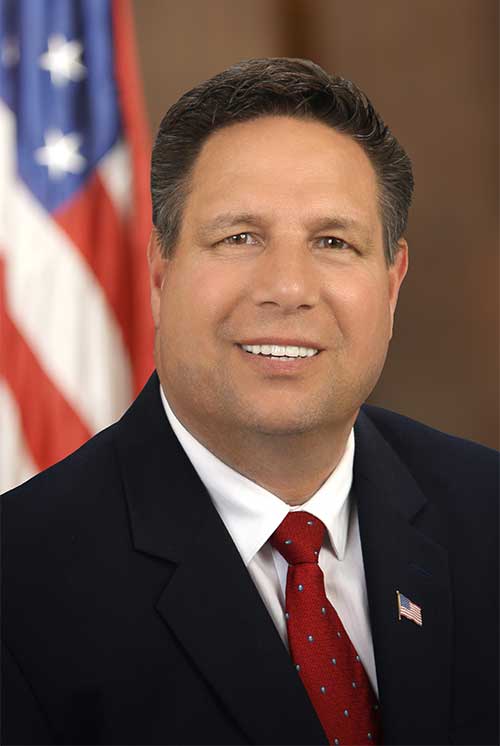
Jamaal Bailey
Jamaal Bailey Senate · District 36
D
Strong +
100% 19
NF
Nathalia Fernández Senate · District 34
D
Strong +
100% 19
James Skoufis
James Skoufis Senate · District 42
D
Strong +
100% 18
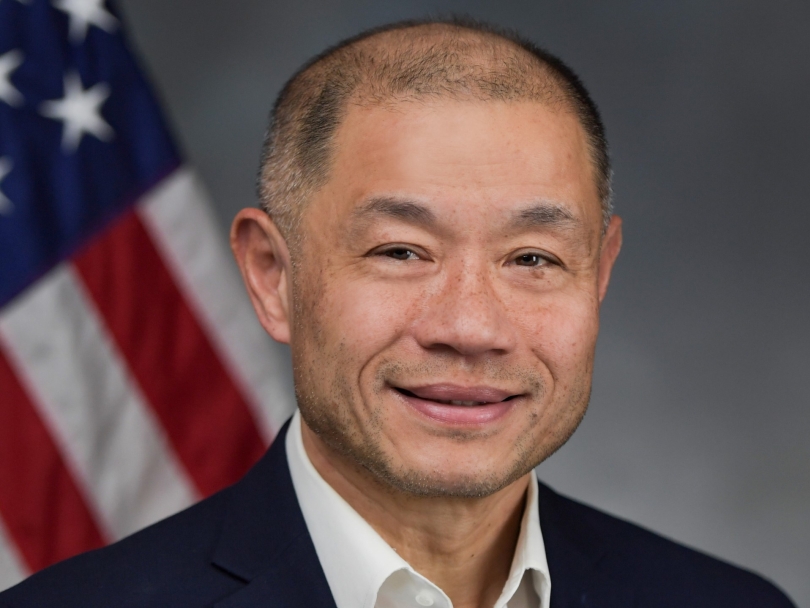
John Liu
John Liu Senate · District 16
D
Strong +
100% 18
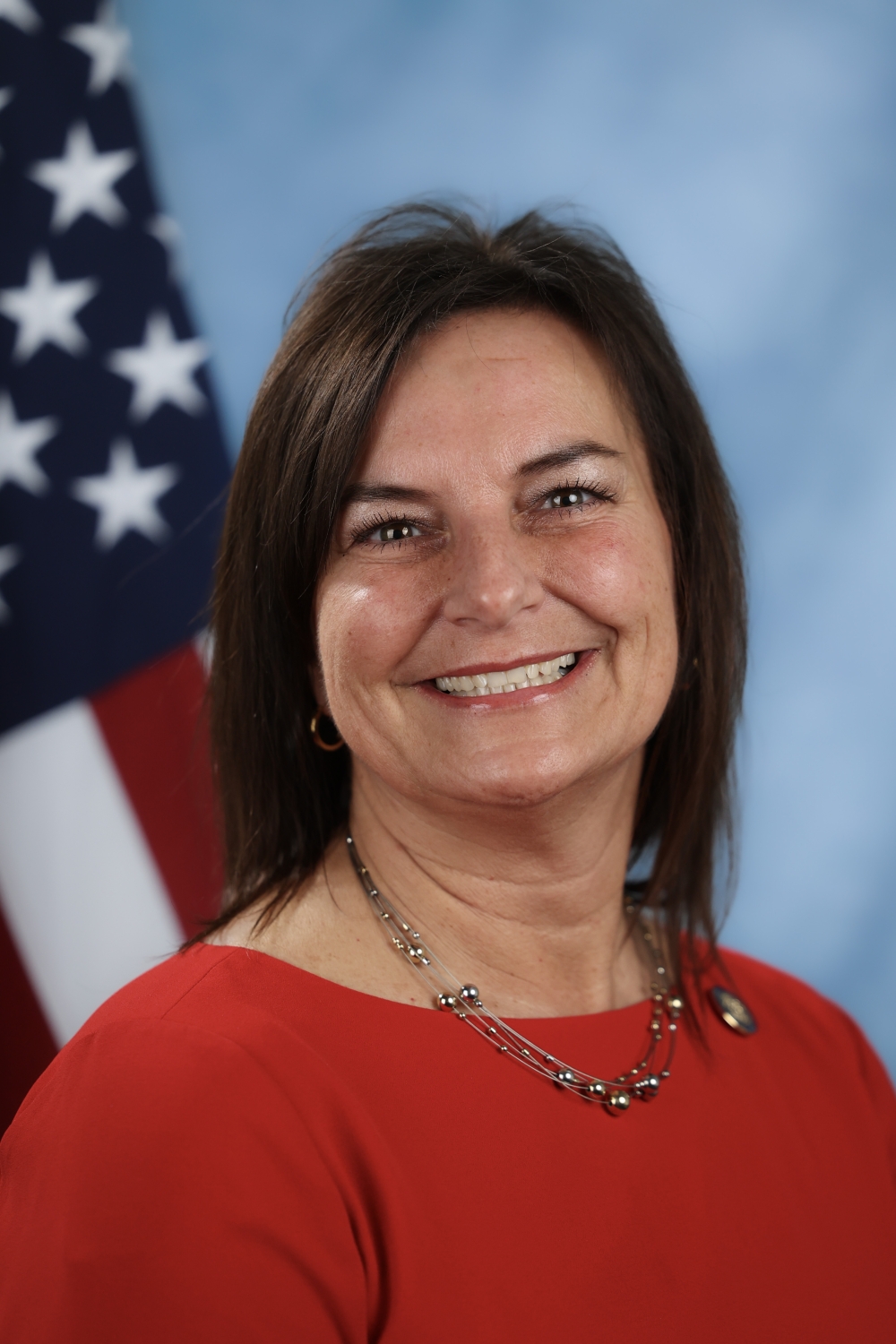
Andrea Bailey
Andrea Bailey House · District 133
R
Strong −
0% 5
Andrew Molitor
Andrew Molitor House · District 150
R
Strong −
0% 5
Brian Manktelow
Brian Manktelow House · District 130
R
Strong −
0% 5
Chris Friend
Chris Friend House · District 124
R
Strong −
0% 5
Chris Tague
Chris Tague House · District 102
R
Strong −
0% 5
Showing 111–120 of 221 bills

All labor & employment bills

in committee · New York · Assembly Jan 7, 2026

A 1000: Relates to split shifts and minimum wage

This bill requires employers to pay minimum wage for any time over one hour during a split shift when an employee is not working (e.g., during a long break between work periods). It directly affects hourly workers with split shifts, such as those working morning and afternoon shifts with an extended unpaid break. The key provision mandates that this non-working time be counted as "worked" time for minimum wage purposes, ensuring pay for the full duration of the shift. The bill is pending in the Labor Committee and has not yet become law.
in committee · New York · Senate Jan 7, 2026

S 5176: Relates to establishing when a tip credit applies to employees working at tipped and non-tipped occupations on the same day

This bill clarifies when employers can apply a tip credit to workers who perform both tipped and non-tipped tasks on the same day. Specifically, if a service or food service worker spends more than 20% of their shift in a non-tipped role, they must be paid the full minimum wage for that portion of the day, not the reduced wage allowed with a tip credit. Regular side tasks directly related to their primary job (like busking in a restaurant) do not count as non-tipped work. The bill also specifies that employers improperly applying a tip credit must only compensate the affected worker in a tip pool, not all workers in the pool.
in committee · New York · Assembly Jan 7, 2026

A 5571: Relates to family leave

This bill amends New York's workers' compensation law to prevent employers from requiring employees to use paid time off before taking family leave. It expands the definition of "family leave" to include situations where an employee's family member (spouse, domestic partner, child, or parent) is on active military duty within the U.S. (including contiguous states, Hawaii, Alaska, or territories). The law directly affects employees needing leave to care for a family member with a serious health condition, bond with a newborn/adopted child, or address military-related exigencies. The policy change takes effect immediately, ensuring employees can access family leave without exhausting other accrued time first.
passed · New York · Senate Jun 4, 2026

S 4473: Clarifies that the statutory damages available for certain wage violations are not punitive in nature and are designed to compensate workers

Clarifies that the statutory damages available for certain wage violations are not punitive in nature and are designed to be liquidated damages rather than penalties or to compensate workers for the employer's failure to prevent wage theft and for the harm to employees that results from such failure.
Sub-Topics Labor Standards
in committee · New York · Senate Mar 4, 2026

S 415: Provides for minimum wage requirements for miscellaneous industry workers and establishes a one fair wage reimbursement credit

S 415 establishes minimum cash wage requirements for "miscellaneous industry workers" in New York, including car wash attendants, nail salon staff, dog groomers, tour guides, and valet attendants. It mandates that employers pay these workers a specific hourly cash wage before tips, with rates varying by location: $12.77 in NYC starting 2026, $11.50 in other areas, and phased increases through 2029. The bill also includes a "one fair wage reimbursement credit" to help employers offset costs. The law modifies existing wage orders to ensure total pay (cash wage + tips) meets the state minimum wage, applying only to workers covered under specific state regulations for non-food service industries.
in committee · New York · Senate Jan 7, 2026

S 4734: Relates to requiring certain employers to provide workforce demographics and equity measurements to the division of human rights annually

Relates to requiring certain employers to provide workforce demographics and equity measurements to the division of human rights annually, including each employee's race, ethnicity, age, and sex or gender identity or expression, as well as the employee's job category, date of hire, salary or wages, training received, raises, promotions, disciplinary actions, terminations and benefits, including but not limited to unpaid benefits or privileges such as flexible scheduling, the ability to work from home, or the ability to bring children to work.
in committee · New York · Assembly Jan 7, 2026

A 4189: Authorizes the comptroller of the city of New York to enforce and investigate certain violations of the state minimum wage

This bill, the "POWER Act," authorizes New York City's comptroller (referred to as the "fiscal officer") to enforce and investigate violations of state minimum wage laws within the city. It directly affects NYC workers and employers by giving the comptroller authority to probe wage theft and other labor standard violations covered under specific labor law sections. Key provisions allow the comptroller to inspect workplaces, issue subpoenas, review records, and impose penalties - similar to the Commissioner of Consumer and Worker Protection - while clarifying that this does not replace existing enforcement by other city agencies or state departments. The bill takes effect immediately upon enactment.
in committee · New York · Senate Jan 7, 2026

S 2226: Authorizes the comptroller of the city of New York to enforce and investigate certain violations of the state minimum wage

This bill, the "PROTECTION AND OVERSIGHT OF WORKER ENFORCEMENT RIGHTS (POWER) ACT," grants New York City's comptroller authority to enforce and investigate violations of the state minimum wage and related labor standards within the city. It directly affects NYC workers and employers by allowing the comptroller - instead of just the state labor department - to inspect workplaces, issue subpoenas, and pursue penalties for minimum wage violations. The comptroller gains enforcement powers for specific labor law sections covering wages, hours, and workplace standards, excluding areas already handled by the Consumer and Worker Protection Commissioner. The bill takes immediate effect and does not replace existing state or city enforcement responsibilities.
in committee · New York · Assembly Jan 7, 2026

A 5022: Establishes the New York state worker protection and labor enforcement fund

This bill creates the New York State Worker Protection and Labor Enforcement Fund to support the Department of Labor's enforcement activities. The fund will be filled with money recovered from employer violations of specific labor laws (covering wages, safety, and other worker protections) and other designated sources. Funds can only be used to supplement labor enforcement efforts, such as hiring staff or conducting investigations, and must be reported annually to state leaders and the public. The fund becomes operational on April 1, 2026.
passed · New York · Senate Jun 1, 2026

S 5990: Relates to mandatory employer disclosures regarding employee compensation and benefits

Relates to mandatory employer disclosures regarding employee compensation and benefits, including any non-salary or non-wage compensation and benefits.
Sub-Topics Labor Standards
Showing 111 to 120 of 221 bills
Previous 1 11 12 13 23 Next