Issue · Healthcare

Healthcare (Public Health)

Every healthcare bill, vote, and legislator stance in New York, automatically classified by Maddy, our AI policy reader.

Total bills
163
2025 Regular Session
Top supporter
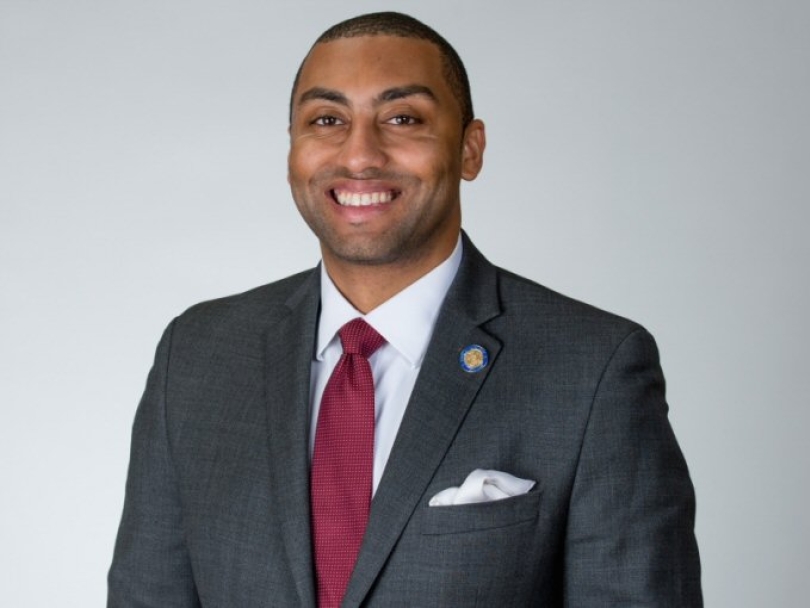
Jamaal Bailey
100% support rate
Top opponent
Rob Ortt
0% support rate
Ranked legislators
10
5 support · 5 oppose
Key legislators

Who's moving public health in New York

Legislators moving public health in New York
Legislator Party Stance Support rate Decisive votes
Jamaal Bailey
Jamaal Bailey Senate · District 36
D
Strong +
100% 23
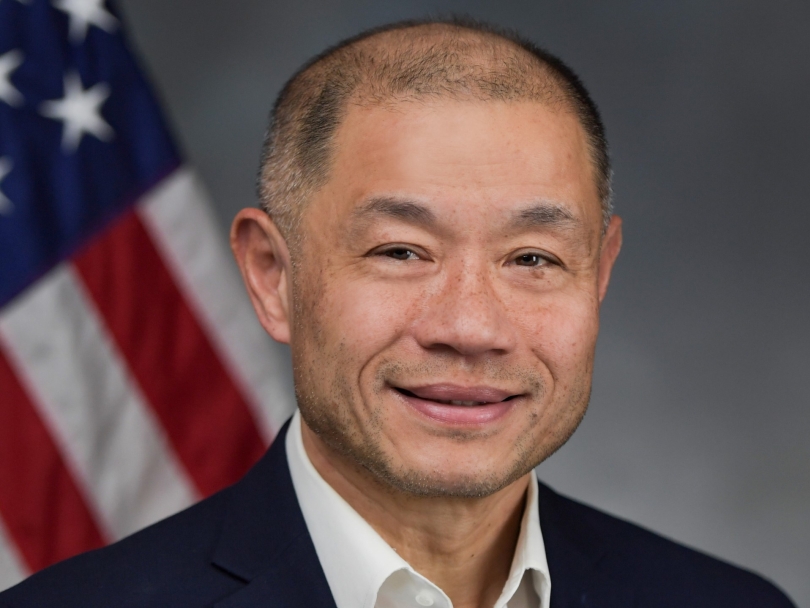
John Liu
John Liu Senate · District 16
D
Strong +
100% 22
Leroy Comrie
Leroy Comrie Senate · District 14
D
Strong +
100% 22
Luis Sepúlveda
Luis Sepúlveda Senate · District 32
D
Strong +
100% 22
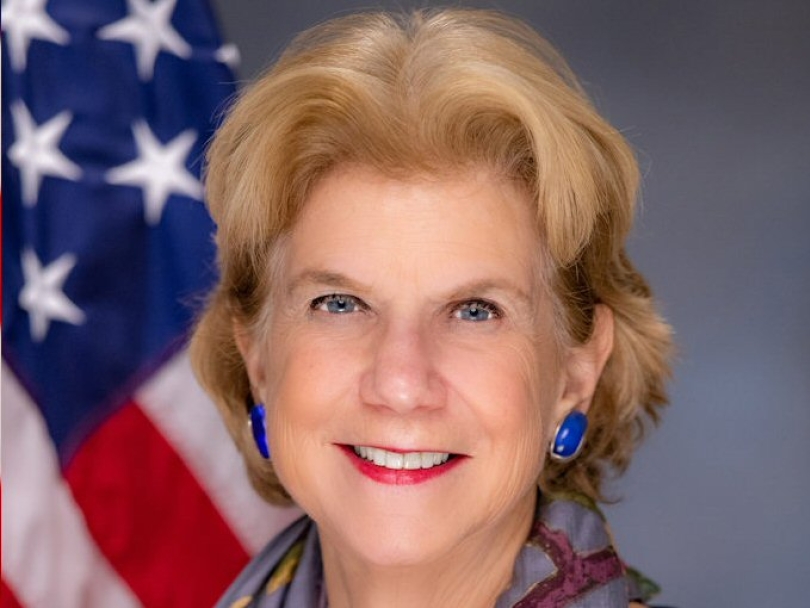
Shelley Mayer
Shelley Mayer Senate · District 37
D
Strong +
100% 22
Rob Ortt
Rob Ortt Senate · District 62
R
Strong −
0% 21
Joe Griffo
Joe Griffo Senate · District 53
R
Strong −
10% 20
Mark Walczyk
Mark Walczyk Senate · District 49
R
Strong −
11% 19
Tom O'Mara
Tom O'Mara Senate · District 58
R
Strong −
14% 22
Alexis Weik
Alexis Weik Senate · District 8
R
Strong −
16% 19
Showing 81–90 of 163 bills

All healthcare bills

in committee · New York · Assembly Jan 7, 2026

A 6537: Relates to automatic eligibility for early intervention services for children found to have elevated venous blood lead levels

This bill automatically qualifies children with elevated venous blood lead levels (at or above 5 mcg/dl) for early intervention services by adding this condition to the legal definition of "disability" in public health law. It directly affects young children under three years old who are identified with lead levels meeting this threshold during medical screenings. The key mechanism amends Public Health Law to include elevated blood lead levels as a qualifying condition, eliminating the need for separate evaluations to access services. This change ensures children exposed to lead - known to cause developmental delays - receive timely support without administrative barriers.
Sub-Topics Public Health
in committee · New York · Senate Jan 7, 2026

S 3055: Exempts innovative and alternative septic systems from sales and use taxes

S 3055 exempts innovative septic systems with enhanced treatment technologies - such as advanced nitrogen removal systems - from sales and use taxes. These systems must treat waste at a capacity of no more than 1,000 gallons per day and serve a single residential or small business property. The bill adds this exemption to tax law, specifically targeting systems designed to reduce environmental and public health risks from waste-water interactions. This change directly lowers costs for homeowners and small businesses installing qualifying systems. The bill was referred to the Budget and Revenue committee on January 23, 2025.
in committee · New York · Senate Feb 5, 2025

S 800: Relates to recommendations of the traumatic brain injury services coordinating council

This bill amends New York's public health law to establish requirements for the Traumatic Brain Injury Services Coordinating Council. The council must develop annual recommendations addressing service availability, costs, regional disparities, emerging trends, Medicaid waiver differences, and administrative efficiency for individuals with traumatic brain injury. These recommendations must be posted annually on the state health department's website. The bill directly affects individuals with traumatic brain injury and service providers by mandating structured, transparent policy input on service delivery improvements.
Sub-Topics Medicaid Public Health
in committee · New York · Assembly Mar 25, 2025

A 398: Relates to the continuity of family planning services in the state

Relates to the continuity of family planning services in the state; establishes a family planning program in the department of health to ensure the continuity of family planning services in the state; covers family planning providers who lost eligibility for federal funding under Title X of the Federal Public Health Service Act.
Sub-Topics Public Health
in committee · New York · Assembly Jan 7, 2026

A 1859: Relates to the non-therapeutic use of antimicrobial agents in animals

This bill restricts the non-therapeutic use of antimicrobial drugs in food-producing animals (like cattle, poultry, swine, and animals providing eggs or milk) when no disease is present. It bans using antimicrobials for growth promotion, feed efficiency, or routine disease prevention without clinical signs of illness. The law also prohibits selling or transporting food products derived from animals treated with such non-therapeutic antimicrobials. Violations are classified as class A misdemeanors, and the Agriculture Commissioner must create implementing rules. The bill directly affects farmers, food producers, and distributors handling meat, dairy, and egg products.
Sub-Topics Public Health
in committee · New York · Assembly Jan 7, 2026

A 1071: Prohibits the knowing and reckless promotion of unlawful or false material and providing remedies for the violation of such prohibition

This bill (A 1071) prohibits individuals or entities from knowingly or recklessly promoting content that: (1) advocates force likely to incite imminent lawless action, (2) advocates self-harm likely to cause immediate harm, or (3) spreads false medical claims endangering public health. It specifically targets content amplified by algorithms prioritizing engagement over time/date, affecting platforms and creators who distribute such material. Violations are deemed public nuisances, allowing the Attorney General or local prosecutors to seek injunctions, restitution, or damages. Affected parties can also sue for damages if harmed by prohibited content, with enforcement handled through state/federal courts.
in committee · New York · Assembly Jan 7, 2026

A 4750: Requires the commissioner of education to develop model mental health screenings for students and associated guidelines to assist school mental health screeners to perform mental health screening services

Requires the commissioner of education, in conjunction with the commissioner of health and the commissioner of mental health, to develop model mental health screenings for students and associated guidelines to assist school mental health screeners to perform mental health screening services to identify concerns in students' mental health.
passed · New York · Senate Mar 18, 2026

S 7048: Relates to review of projects affecting the availability of maternity services

Requires the commissioner of health to promulgate regulations requiring that the addition of, decertification of, or changes in the method of delivery of perinatal services by a general hospital be subject to an application under article 28 of the public health law that requires review and approval by the council.
in committee · New York · Senate Jan 7, 2026

S 2615: Authorizes one percent of mobile sports tax revenue be used for problem gambling

This bill directs 1% of mobile sports betting tax revenue (with a minimum of $6 million annually) to fund problem gambling education and treatment programs. It requires the state gaming commission to allocate these funds starting in the first fiscal year mobile betting operations begin, with the money deposited into the commercial gaming fund for this specific purpose. The policy directly affects state-funded gambling treatment services and public health programs addressing gambling addiction. It creates a dedicated, ongoing revenue stream from mobile sports betting taxes to support these services, separate from other lottery or gaming funds.
in committee · New York · Assembly Jan 8, 2026

A 1647: Relates to decriminalizing the possession of buprenorphine

This bill removes criminal penalties for possessing buprenorphine (a medication used to treat opioid addiction) when used for medical purposes under specific circumstances. It directly affects individuals who currently face criminal charges for possessing this medication, particularly those using it in addiction treatment. The key change amends Public Health Law to clarify that possession for medical use by a practitioner or patient is no longer classified as a crime. The law remains focused on medical use during treatment for addiction, without creating new programs or funding.
Showing 81 to 90 of 163 bills
Previous 1 … 8 9 10 … 17 Next