

Issue · Healthcare
Healthcare (Mental Health)
Every healthcare bill, vote, and legislator stance in New York, automatically classified by Maddy, our AI policy reader.
Total bills
328
2025 Regular Session
Top supporter
Andrea Stewart-Cousins
100% support rate
Top opponent
Rob Ortt
0% support rate
Ranked legislators
10
5 support · 5 oppose
Key legislators
Who's moving mental health in New York
| Legislator | Party | Stance | Support rate | Decisive votes |
|---|---|---|---|---|

Andrea Stewart-Cousins
Senate · District 35
|
D |
Strong +
|
100% | 14 |
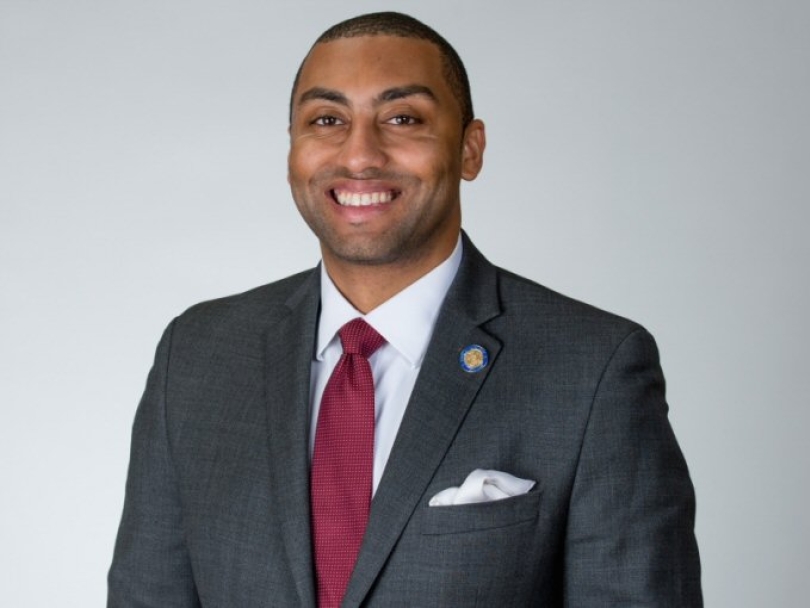
Jamaal Bailey
Senate · District 36
|
D |
Strong +
|
100% | 14 |
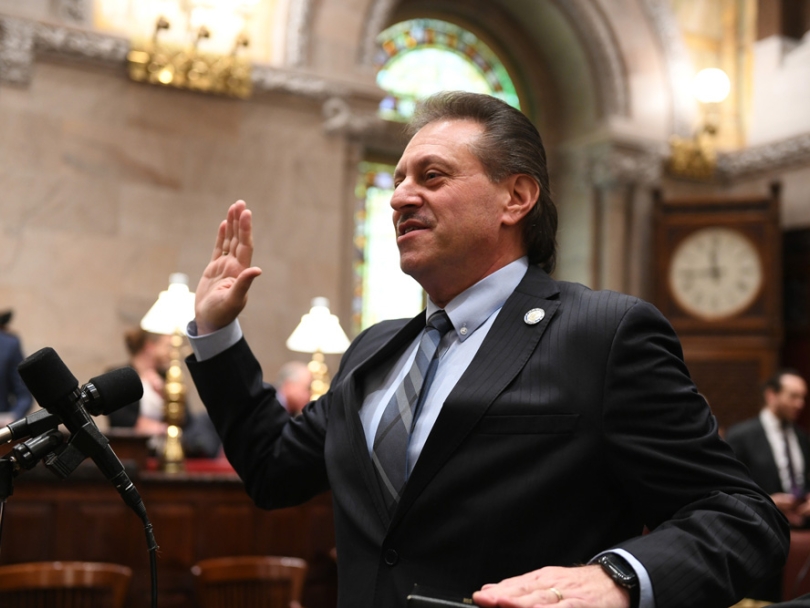
Joe Addabbo
Senate · District 15
|
D |
Strong +
|
100% | 14 |
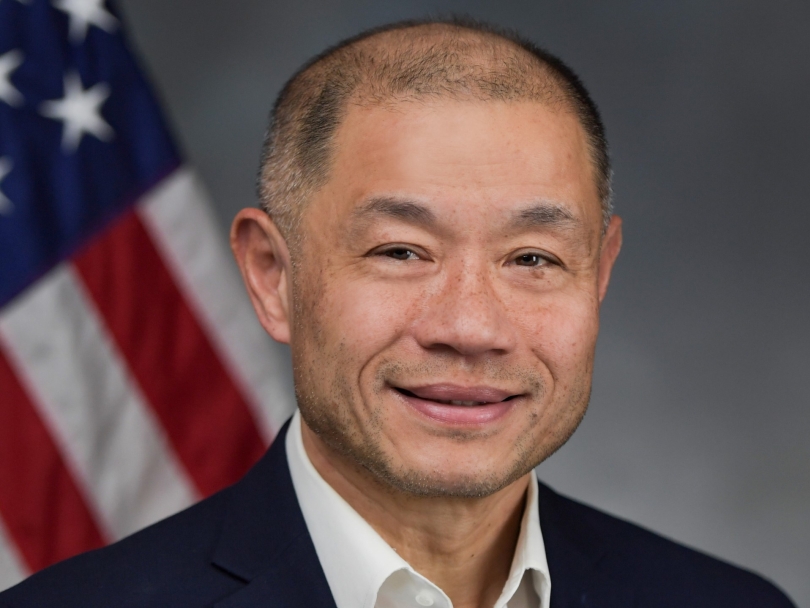
John Liu
Senate · District 16
|
D |
Strong +
|
100% | 14 |
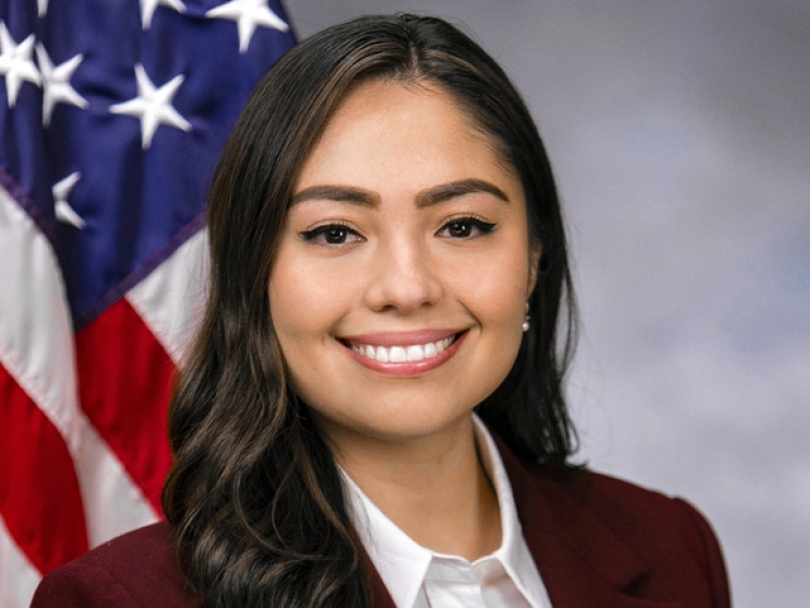
Kristen Gonzalez
Senate · District 59
|
D |
Strong +
|
100% | 14 |
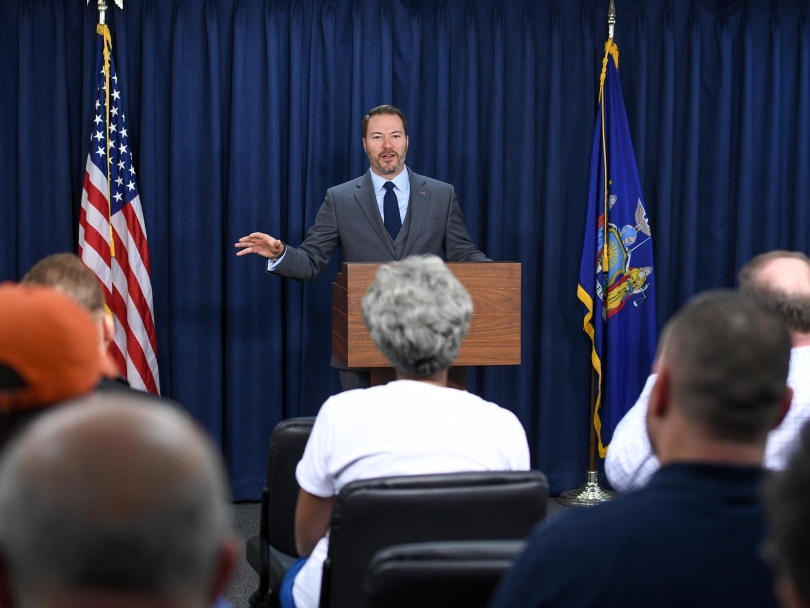
Rob Ortt
Senate · District 62
|
R |
Strong −
|
0% | 14 |
Tom O'Mara
Senate · District 58
|
R |
Strong −
|
0% | 13 |
Dan Stec
Senate · District 45
|
R |
Strong −
|
7% | 15 |
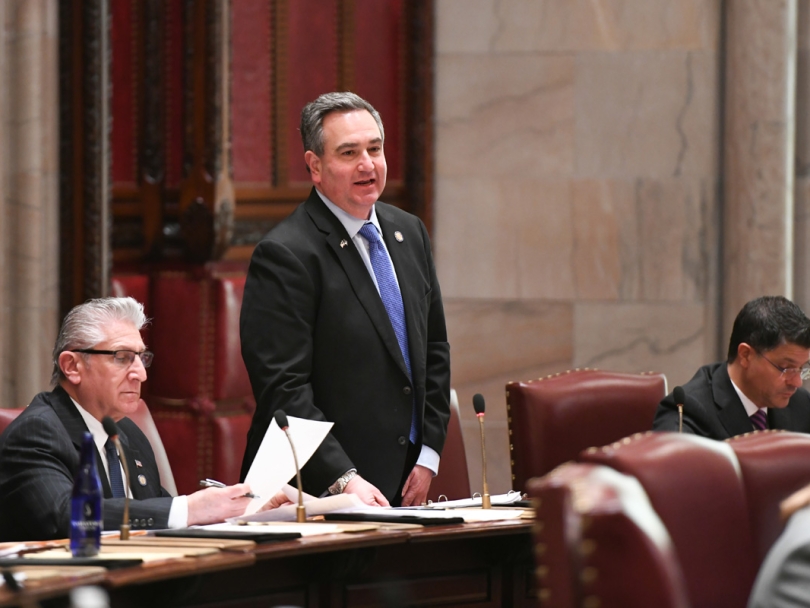
George Borrello
Senate · District 57
|
R |
Strong −
|
9% | 11 |
Patrick Gallivan
Senate · District 60
|
R |
Strong −
|
13% | 15 |
Showing 311–320 of 328
bills
All healthcare bills
S 5361: Provides for a minimum reimbursement rate for ambulatory behavioral health services
S 1712: Relates to including the services and care of school psychologists under Medicaid
Topics
✓ EducationSupports EducationRequires Medicaid to cover school psychologists' services, expanding student access to mental health support in schools without altering scope of practice.
✓ HealthcareSupports HealthcareExpands Medicaid coverage to include school psychology services, directly supporting mental health access for students without altering scope of practice.
S 1430: Requires insurance and Medicaid coverage for inpatient and outpatient substance abuse treatment for a period of not less than forty-five days
Topics
✓ Criminal JusticeSupports Criminal JusticeMandates substance abuse treatment coverage, aligning with rehabilitation-focused criminal justice reform to reduce recidivism.
✓ HealthcareSupports HealthcareMandates 45-day coverage for substance abuse treatment, prohibits stricter limits than medical care, expanding access to addiction services.
A 4844: Relates to enacting the health care worker peer support program
Topics
✓ Budget & TaxesSupports Budget & TaxesBill allocates state funds via grants ($250k per organization) for healthcare worker mental health programs, directly advancing public service funding within budget appropriations.
✓ HealthcareSupports HealthcareEstablishes state-funded peer support program for healthcare workers' mental health through grants and training requirements, directly advancing mental health services within healthcare.
✓ Labor & EmploymentSupports Labor & EmploymentCreates state-funded peer support program for healthcare workers' mental health, directly enhancing workplace well-being and safety standards.
✓ TechnologySupports TechnologyProhibits collection of personal health data, protecting privacy per bill summary.
Sub-Topics
Mental Health
S 499: Enacts the "ensuring access to behavioral health act"
S 1964: Conforms and improves the process for determining incapacity
Sub-Topics
Mental Health
S 6923: Provides for absence from school for the mental or behavioral health of the minor
Topics
✓ EducationSupports EducationAllows mental health absences, reducing barriers to education access by mandating school policies that support student well-being without penalizing attendance.
✓ HealthcareSupports HealthcareExplicitly permits school absences for mental health, creating formal rules to support student access to care without penalty, aligning with mental health service support indicators.
S 5296: Establishes Nicole's law, which provides for treatment of individuals with self-inflicted, life-threatening injuries
S 584: Relates to the ability for school districts to implement telehealth school-based mental health clinics
Topics
✓ Budget & TaxesSupports Budget & TaxesEstablishes student mental telehealth reimbursement fund, allocating state funds for school-based mental health services as a public health program.
✓ EducationSupports EducationBill establishes telehealth mental health clinics in schools and creates a reimbursement fund, directly enhancing student mental health services and access within educational settings.
✓ HealthcareSupports HealthcareBill establishes telehealth mental health clinics in schools with dedicated funding, directly expanding access to mental health services through school-based care.