

Issue · Environment
Environment
Every environment bill, vote, and legislator stance in New York, automatically classified by Maddy, our AI policy reader.
Total bills
48
119th Congress
Top supporter
Charles E. Schumer
76% support rate
Top opponent
Nick LaLota
32% support rate
Ranked legislators
10
5 support · 5 oppose
Key legislators
Who's moving environment in New York
| Legislator | Party | Stance | Support rate | Votes |
|---|---|---|---|---|
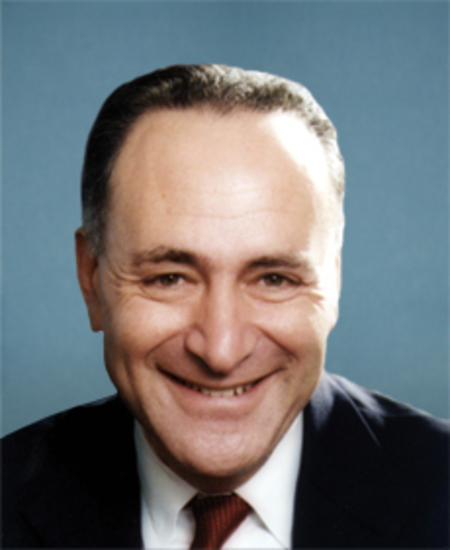
Charles E. Schumer
Senate
|
D |
Support
|
76% | 234 |

Kirsten E. Gillibrand
Senate
|
D |
Support
|
76% | 234 |
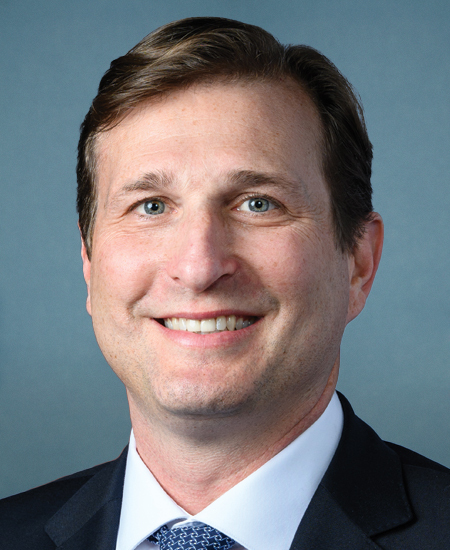
Daniel S. Goldman
House · District 10
|
D |
Support
|
68% | 276 |
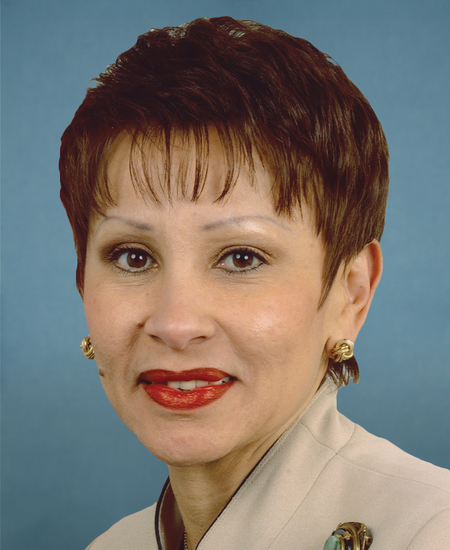
Nydia M. Velázquez
House · District 7
|
D |
Support
|
65% | 289 |
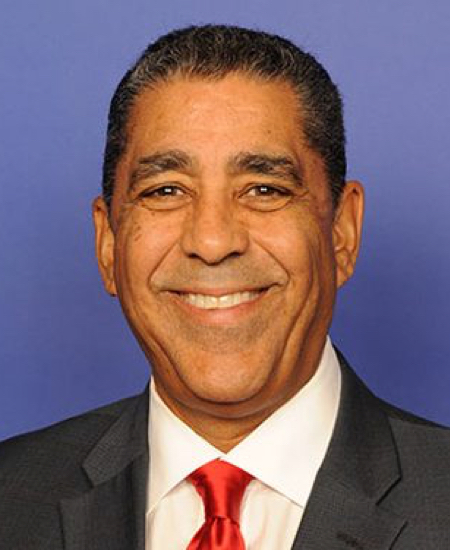
Adriano Espaillat
House · District 13
|
D |
Support
|
65% | 304 |
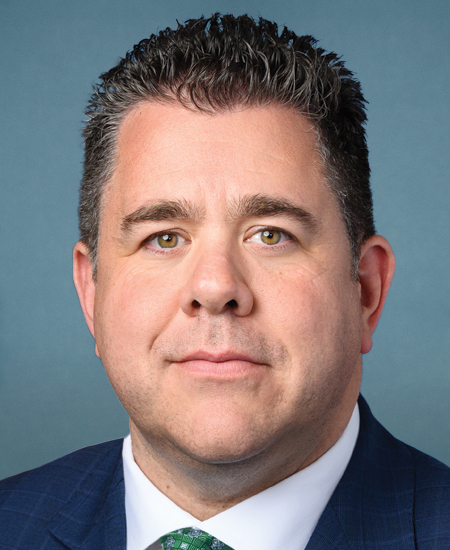
Nick LaLota
House · District 1
|
R |
Oppose
|
32% | 301 |
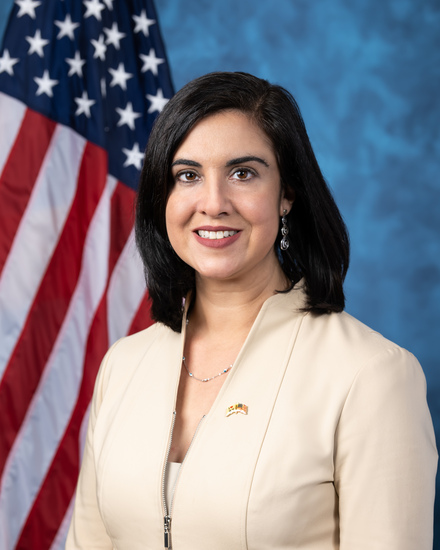
Nicole Malliotakis
House · District 11
|
R |
Oppose
|
32% | 299 |
Michael Lawler
House · District 17
|
R |
Oppose
|
33% | 301 |
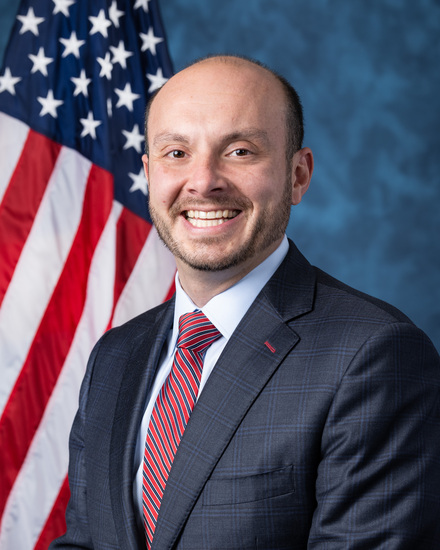
Andrew R. Garbarino
House · District 2
|
R |
Oppose
|
34% | 298 |
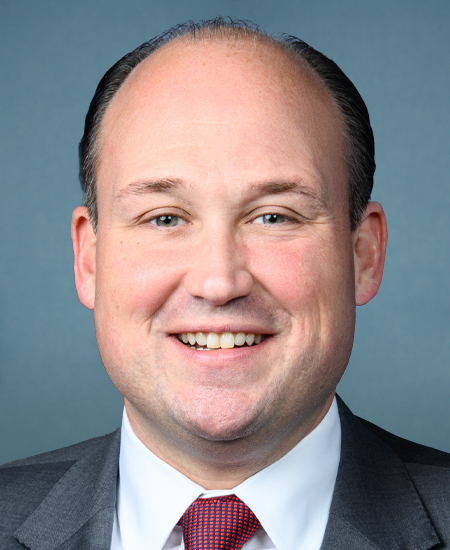
Nicholas A. Langworthy
House · District 23
|
R |
Oppose
|
35% | 303 |
Showing 1–10 of 48
bills
All environment bills
HR 8330: Stop Climate Shakedowns Act of 2026
Topics
✗ EnergyOpposes EnergyBill prohibits state lawsuits against energy companies for climate damages and voids state emission regulations, effectively blocking accountability and limiting state-level climate policy enforcement.
✗ EnvironmentOpposes EnvironmentBill prohibits state lawsuits against energy companies for climate damages, effectively limiting environmental accountability and protections.
HR 9317: BUSES Act
Topics
✗ EnergyOpposes EnergyBill restricts states from enforcing shorter bus idling limits, which hinders local air quality and energy efficiency efforts.
✗ EnvironmentOpposes EnvironmentBill prevents states from enforcing shorter idling limits, likely increasing emissions and weakening air quality protections.
✗ TransportationOpposes TransportationBill restricts local air quality plans and bans citizen lawsuits regarding bus idling, limiting regulatory flexibility and enforcement.
HR 8990: Protect Domestic Oil and Gas Small Business Act of 2026
Topics
✓ EnergySupports EnergyBill exempts small oil and gas wells from environmental regulations, reducing compliance costs and protecting domestic fossil fuel production.
✗ EnvironmentOpposes EnvironmentBill exempts small oil and gas wells from Clean Air Act regulations, removing monitoring and leak detection requirements, which weakens environmental protections.
HR 8688: Forest Health and Wildfire Risk Reduction Act
HR 8477: To amend the Internal Revenue Code of 1986 to reverse certain energy-related modifications enacted by Public Law 119-21.
Topics
✗ Budget & TaxesOpposes Budget & TaxesBill reverses energy tax incentives and limits credits, weakening fiscal support for clean energy and efficiency programs.
✗ EnergyOpposes EnergyBill reverses tax incentives for energy efficiency and clean energy, weakening support for renewable infrastructure and efficiency.
✗ EnvironmentOpposes EnvironmentBill reverses tax incentives for clean energy and energy efficiency, weakening environmental protections and limiting clean energy development.
HR 8108: End Polluter Welfare for Enhanced Oil Recovery Act of 2026
Topics
✗ Budget & TaxesOpposes Budget & TaxesBill eliminates federal tax credits for enhanced oil recovery and carbon capture, reducing government revenue incentives and limiting fiscal support for energy projects.
✗ EnergyOpposes EnergyBill eliminates tax credits for enhanced oil recovery and carbon capture, directly restricting fossil fuel production and clean energy infrastructure development.
✗ EnvironmentOpposes EnvironmentBill removes tax credits for enhanced oil recovery and carbon capture, weakening environmental protections and reducing incentives for clean energy technologies.
HR 8308: CERTAIN Act
Topics
✓ EnergySupports EnergyBill expedites federal permitting for infrastructure projects, which facilitates energy infrastructure development and reduces regulatory delays.
✗ EnvironmentOpposes EnvironmentBill expedites permitting and limits agency ability to revoke authorizations, weakening environmental review protections and reducing oversight on environmental impacts.
✓ TransportationSupports TransportationBill expedites permitting and environmental reviews for infrastructure projects, directly advancing transportation development and reducing regulatory delays.
Sub-Topics
Pipeline Infrastructure
HJRES 75: Providing for congressional disapproval under chapter 8 of title 5, United States Code, of the rule submitted by the Office of Energy Efficiency and Renewable Energy, Department of Energy relating to "Energy Conservation Program: Energy Conservation Standards for Commercial Refrigerators, Freezers, and Refrigerator-Freezers".
Topics
✗ EnergyOpposes EnergyBill nullifies DOE energy efficiency standards for commercial refrigeration, weakening energy conservation efforts and opposing efficiency improvements.
✗ EnvironmentOpposes EnvironmentBill nullifies DOE energy efficiency standards for commercial refrigeration, weakening environmental protections and reducing energy conservation requirements.
HR 199: Implementing DOGE Act
Topics
✗ Budget & TaxesOpposes Budget & TaxesBill mandates automatic cuts to nonsecurity discretionary programs (education, transportation, environment), defunding essential services per indicators.
✗ EducationOpposes EducationBill mandates across-the-board cuts to nonsecurity discretionary spending, explicitly including education programs, resulting in defunding.
✗ EnvironmentOpposes EnvironmentBill mandates across-the-board spending cuts to nonsecurity federal programs including environmental programs, effectively defunding environmental initiatives.
✗ HealthcareOpposes HealthcareBill mandates across-the-board spending cuts to nonsecurity federal programs, which would likely reduce funding for healthcare services and public health initiatives included in those programs.
✗ TransportationOpposes TransportationBill mandates across-the-board cuts to nonsecurity discretionary programs including transportation, reducing funding by rescinding growth above 1%.