Issue · Criminal Justice

Criminal Justice

Every criminal justice bill, vote, and legislator stance in New York, automatically classified by Maddy, our AI policy reader.

Total bills
2,153
2025 Regular Session
Top supporter
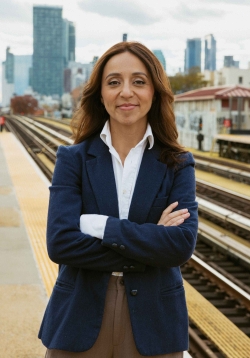
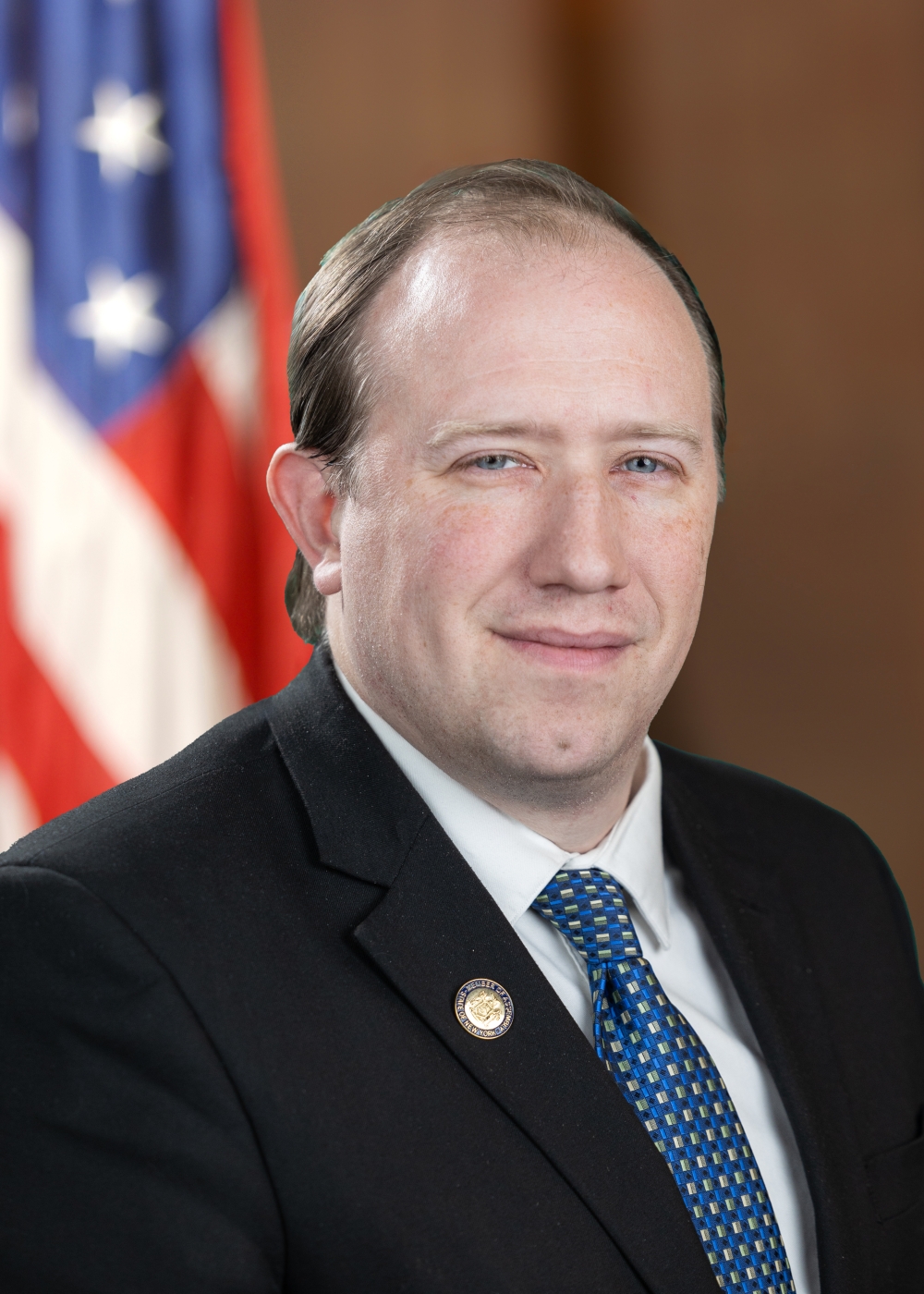
Diana Moreno
100% support rate
Top opponent
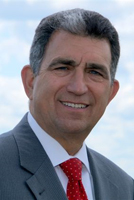
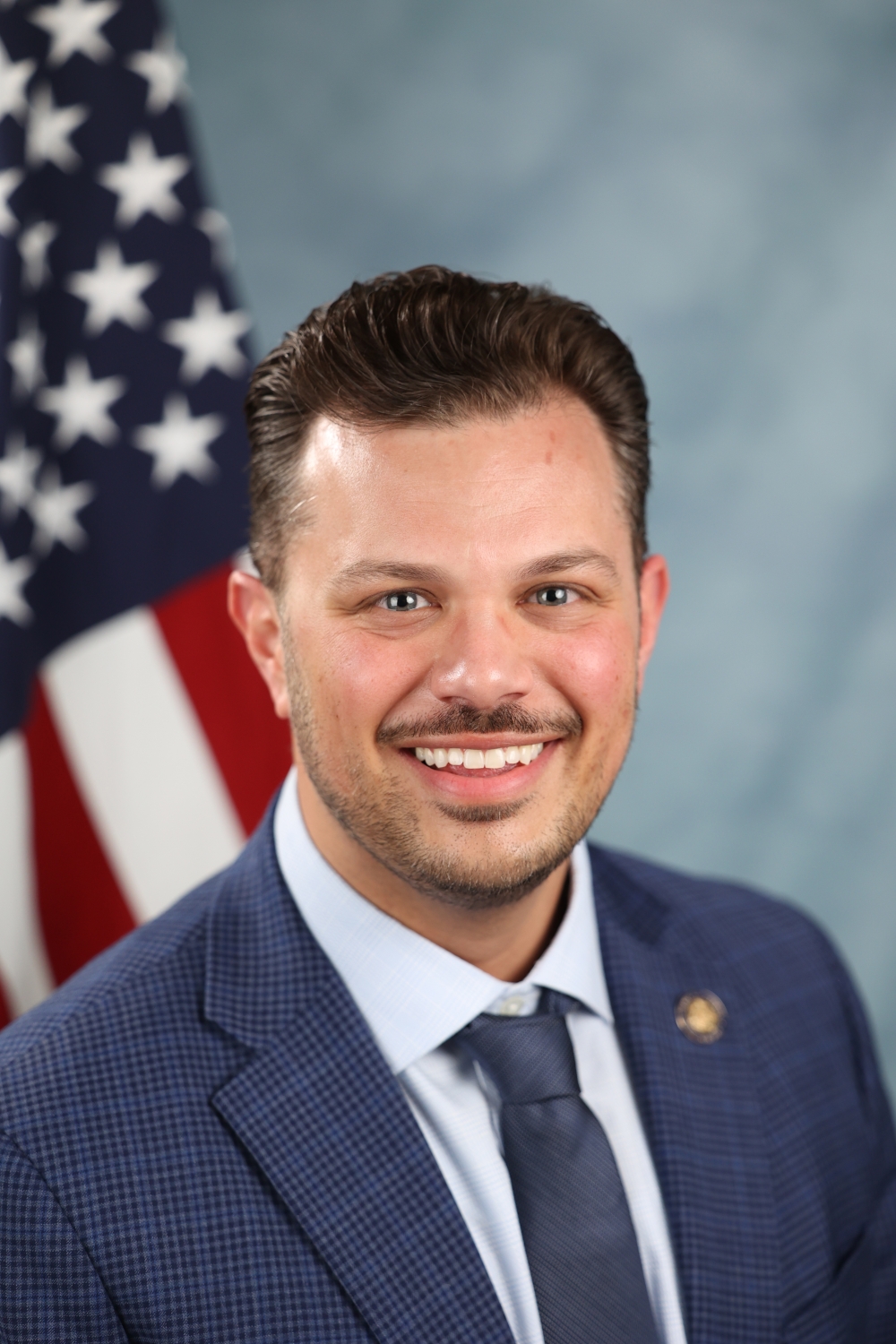
Dave DiPietro
4% support rate
Ranked legislators
10
5 support · 5 oppose
Key legislators

Who's moving criminal justice in New York

Legislators moving criminal justice in New York
Legislator Party Stance Support rate Votes
Diana Moreno
Diana Moreno House · District 36
D
Strong +
100% 39
Bill Magnarelli
Bill Magnarelli House · District 129
D
Strong +
100% 72
Keith Powers
Keith Powers House · District 74
D
Strong +
100% 42
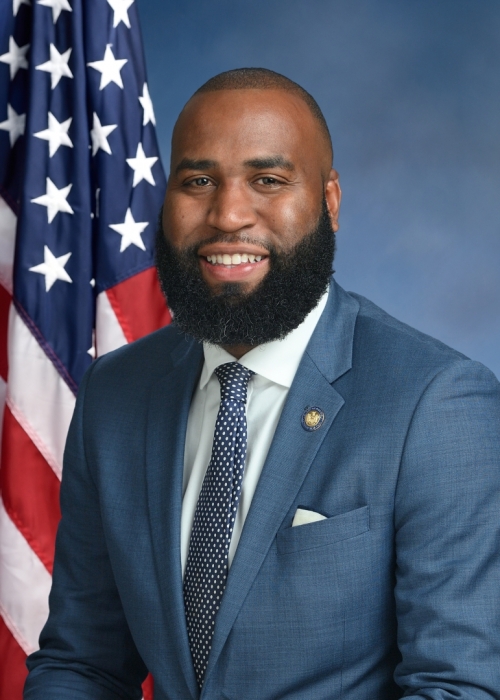
Brian Cunningham
Brian Cunningham House · District 43
D
Strong +
100% 74
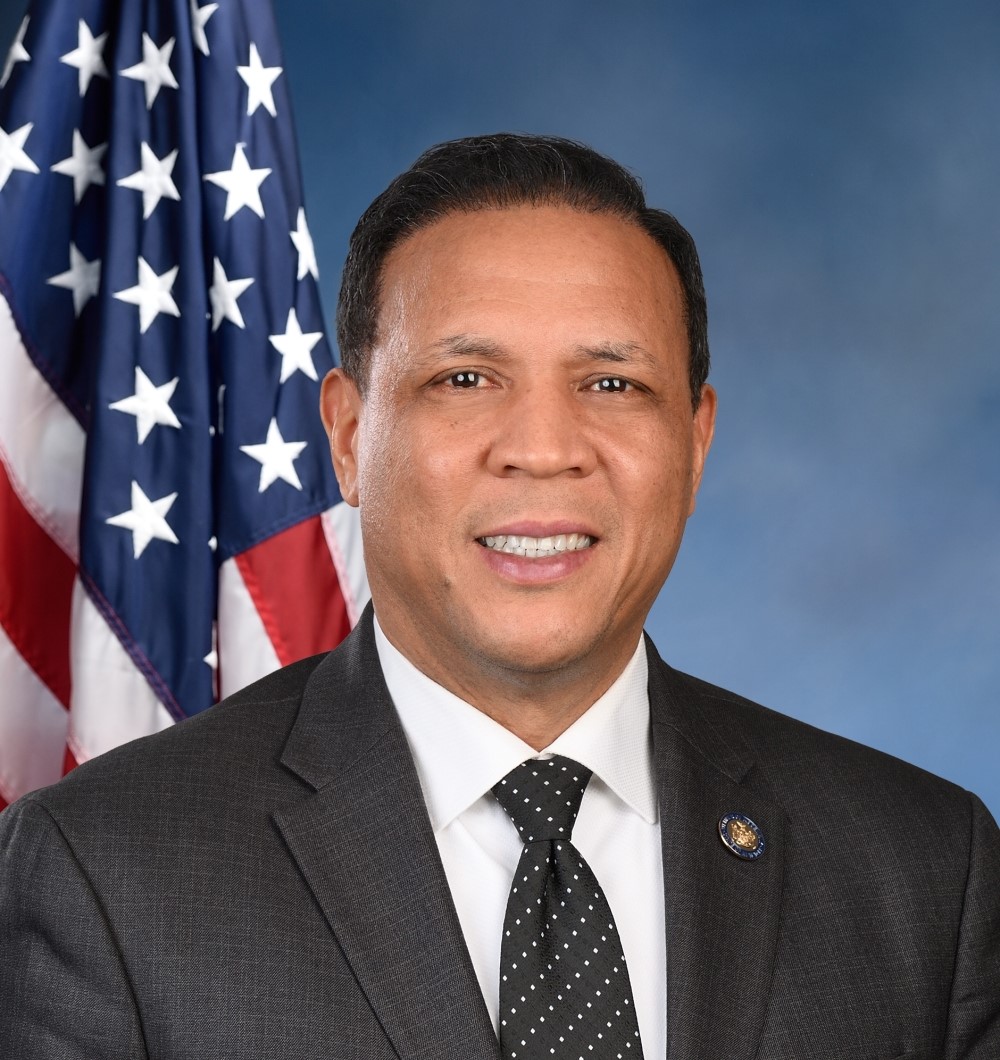
George Alvarez
George Alvarez House · District 78
D
Strong +
100% 71
Dave DiPietro
Dave DiPietro House · District 147
R
Strong −
4% 78
Chris Tague
Chris Tague House · District 102
R
Strong −
4% 78
Chris Friend
Chris Friend House · District 124
R
Strong −
4% 74
Joe Sempolinski
Joe Sempolinski House · District 148
R
Strong −
7% 78
Paul Bologna
Paul Bologna House · District 144
R
Strong −
7% 76
Showing 2,111–2,120 of 2,153 bills

All criminal justice bills

in committee · New York · Senate Jan 7, 2026

S 1972: Relates to criminalizing the filming of the commission of a violent felony

This bill would make it a class E felony to intentionally film someone committing a violent felony with the goal of encouraging more such crimes, or to conspire with others to do so. It directly affects individuals who record violent crimes (like assaults or robberies) with the specific intent to promote those acts. The law includes a key exception: turning the recorded video over to police immediately could be used as evidence that the person lacked the intent to encourage the crime. The bill defines "violent felony" using existing legal terms and would take effect in November 2025 if passed.
Sub-Topics Policing Violent Crime
in committee · New York · Senate Jan 7, 2026

S 5667: Relates to the elimination of bail; repealer

Eliminates bail for all offenses; provides for imposition of restrictions and conditions and remand for certain offenses; directs consideration of a defendant's character, reputation, habits, mental condition, activities and history, and whether they pose a danger to themselves, another person or the community, when determining a securing order; creates the commission on public safety reform to issue a determination on which offenses should be eligible for pretrial detention.
in committee · New York · Assembly Jan 7, 2026

A 3132: Increases the designation of certain offenses relating to unlawfully fleeing a police officer and makes such offenses eligible for bail

This bill lowers the felony classification for certain vehicle-related police fleeing offenses (from class A to E, E to D, and D to C felonies) and adds these charges to the list of offenses eligible for bail. It directly affects individuals charged with fleeing police in a motor vehicle, specifically those facing third-degree (least severe), second-degree, or first-degree charges. The key change amends bail eligibility rules in the criminal procedure law, allowing courts to grant release on recognizance or under non-monetary conditions for these offenses - provided the prosecution shows reasonable cause and the court finds any related theft negligible. This adjustment modifies how courts handle pretrial release for these specific charges.
Sub-Topics Courts Policing
in committee · New York · Senate Jan 7, 2026

S 5293: Relates to public health emergency allowances against sentences for certain incarcerated individuals

Relates to public health emergency allowances against sentences for certain incarcerated individuals; allows up to twelve months of public health emergency allowances to be given to incarcerated individuals during a public health crisis.
Sub-Topics Probation & Parole
in committee · New York · Senate Jan 7, 2026

S 4628: Enables the victim of a misdemeanor to make a statement at the sentencing of the defendant

This bill, "Emma's Law," allows victims of misdemeanor crimes to speak at the defendant's sentencing hearing. It requires courts to notify defendants at least seven days in advance if a victim plans to speak, and gives defendants the option to request a delay if they don't receive timely notice. The law applies specifically to misdemeanor cases and clarifies that family members or legal representatives may speak on behalf of victims who are unable to attend. The bill takes effect immediately but expires two years after enactment.
in committee · New York · Senate Jan 7, 2026

S 862: Relates to caseload relief

This bill sets annual caseload limits for public defenders representing low-income clients in criminal cases. It requires that no public defender handle more than 367 misdemeanor cases or 138 felony cases per year, with each felony counting as roughly 2.66 misdemeanors in mixed caseloads. The law applies specifically to constitutionally mandated public defense services in criminal matters. The policy aims to ensure defenders have manageable workloads to provide adequate representation.
in committee · New York · Senate Jan 7, 2026

S 1252: Establishes a rebuttable presumption of a hate crime when certain crimes are committed on, in or upon a house of worship

S 1252 creates a legal presumption that crimes committed on, in, or upon a house of worship are hate crimes, unless the defendant can prove otherwise (a "rebuttable presumption"). This applies specifically to crimes defined under existing law when they occur in designated places of worship. The bill clarifies that "house of worship" excludes facilities like schools, hospitals, or colleges that aren't primarily used for religious services. It directly affects criminal cases involving such locations and the legal process for determining hate crime status. The law takes immediate effect upon passage.
Sub-Topics Civil Rights
in committee · New York · Senate Jan 7, 2026

S 1861: Relates to the use of risk and needs principles in parole decisions

Requires the use of risk and needs assessments in parole decisions; provides a process permitting incarcerated individuals to correct verifiable factual mistakes or errors in their risk and needs assessments or other non-confidential documents given the board prior to their appearances.
in committee · New York · Senate Jan 7, 2026

S 7353: Provides that a charitable bail organization may only post bail for a person who can prove that they are indigent

This bill requires charitable bail organizations to only post bail for individuals who can prove they cannot afford to pay it themselves. Courts must determine indigence within 48 hours of arraignment, considering factors like income, assets, dependents, and whether the person receives public assistance (e.g., food stamps or Medicaid). Individuals must provide an affidavit detailing their financial situation, and false claims can lead to bail being revoked. The bill directly affects charitable bail organizations and people seeking their services, ensuring bail is only provided to those verified as financially unable to pay.
failed · New York · Senate Jan 7, 2026

S 307: Relates to bail for certain felony offenses involving the manufacture, sale, distribution, or possession with intent to sell synthetic opioids

Authorizes the imposition of bail for certain felony offenses involving the manufacture, sale, distribution, or possession with intent to sell synthetic opioids.
Sub-Topics Drug Policy
Showing 2,111 to 2,120 of 2,153 bills