Issue · Criminal Justice

Criminal Justice

Every criminal justice bill, vote, and legislator stance in New York, automatically classified by Maddy, our AI policy reader.

Total bills
2,153
2025 Regular Session
Top supporter
Diana Moreno
100% support rate
Top opponent
Dave DiPietro
4% support rate
Ranked legislators
10
5 support · 5 oppose
Key legislators

Who's moving criminal justice in New York

Legislators moving criminal justice in New York
Legislator Party Stance Support rate Votes
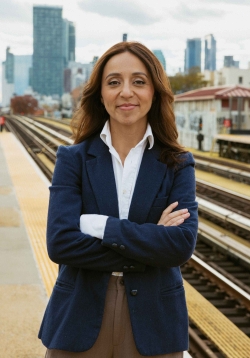
Diana Moreno
Diana Moreno House · District 36
D
Strong +
100% 39
Bill Magnarelli
Bill Magnarelli House · District 129
D
Strong +
100% 72
Keith Powers
Keith Powers House · District 74
D
Strong +
100% 42
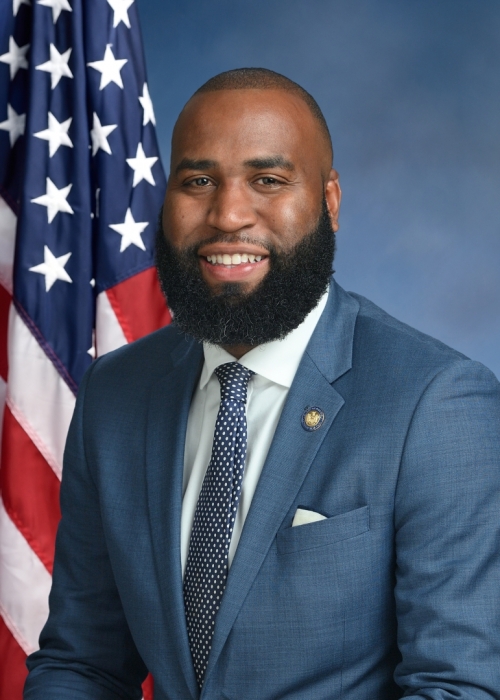
Brian Cunningham
Brian Cunningham House · District 43
D
Strong +
100% 74
George Alvarez
George Alvarez House · District 78
D
Strong +
100% 71
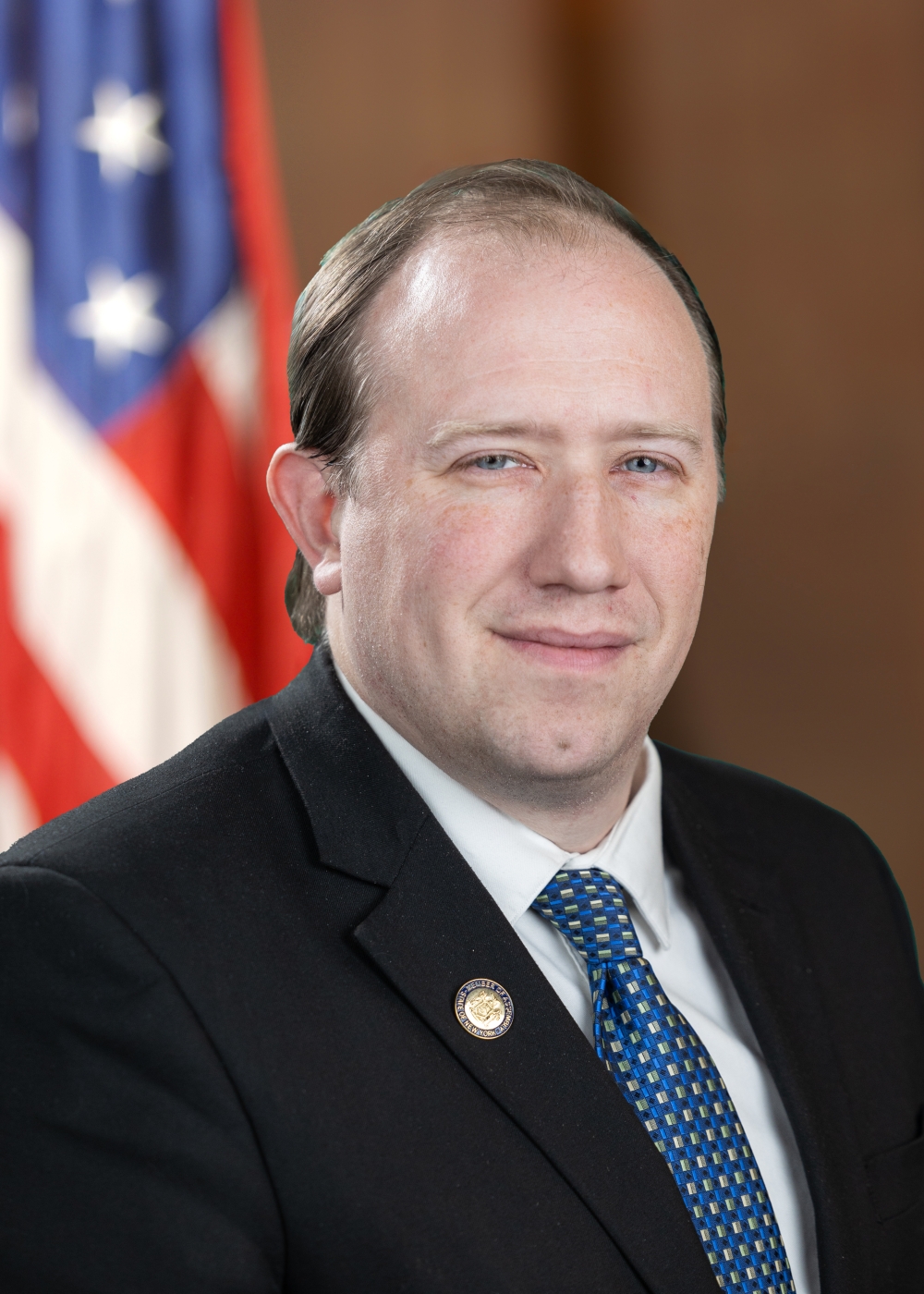
Dave DiPietro
Dave DiPietro House · District 147
R
Strong −
4% 78
Chris Tague
Chris Tague House · District 102
R
Strong −
4% 78
Chris Friend
Chris Friend House · District 124
R
Strong −
4% 74
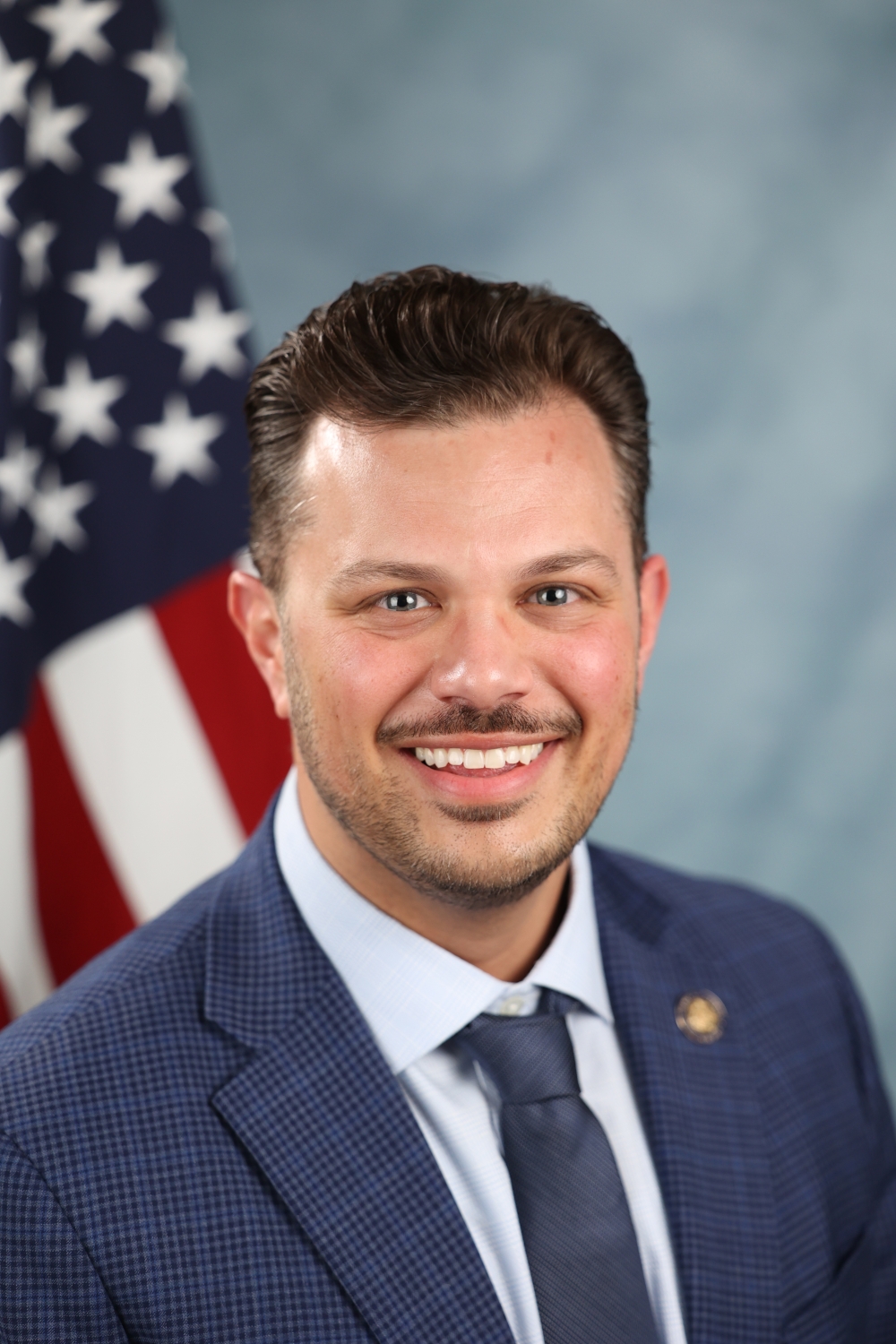
Joe Sempolinski
Joe Sempolinski House · District 148
R
Strong −
7% 78
Paul Bologna
Paul Bologna House · District 144
R
Strong −
7% 76
Showing 2,061–2,070 of 2,153 bills

All criminal justice bills

in committee · New York · Senate Jan 7, 2026

S 1905: Makes the crimes of menacing and stalking bail eligible

S 1905 amends New York's criminal procedure law to make charges of menacing and stalking eligible for bail consideration. Specifically, it adds these crimes to the list of offenses where defendants may be released on bail (rather than being held without bail), by creating new qualifying offense categories in sections 510.10 and 530.40. The bill directly affects individuals charged with menacing (under Penal Law sections 120.13-120.15) or stalking (under sections 120.45-120.60). This change modifies bail eligibility rules without altering the underlying criminal definitions of these offenses.
Sub-Topics Domestic Violence
in committee · New York · Senate Jan 7, 2026

S 5123: Provides an incarcerated individual time for mental health services

Provides that, to the extent practicable, any incarcerated individual who is receiving mental health services or participating in a mental health program shall not have the time spent participating in such mental health services or programs deducted from any other activity time such incarcerated individual receives.
in committee · New York · Senate Mar 17, 2026

S 3795: Relates to prohibiting colleges from asking about an applicant's prior arrests or convictions during the pre-admissions process

This bill prohibits colleges and universities from asking about an applicant's prior arrests (that didn't result in conviction) or sealed criminal convictions during the admissions process. It directly affects individuals with criminal records who apply to higher education institutions. After admission, colleges may inquire about criminal history only to provide support services or determine participation in campus activities, but must use an individualized process considering factors like time since conviction and rehabilitation, not deny access outright. Colleges cannot rescind admission offers based on past convictions, and must provide written appeal procedures for any activity restrictions. The law applies broadly to all degree-granting institutions of higher education in the state.
Sub-Topics Higher Education
in committee · New York · Senate Jan 7, 2026

S 857: Restores judicial discretion relating to bail reform; repealer

Restores judicial discretion relating to bail reform; provides that when the defendant is charged with a felony, the court shall request of the applicable county pre-trial services agency a risk and needs assessment be conducted on the eligible defendant for the purpose of determining whether such defendant should be released on the defendant's own recognizance, released under non-monetary conditions or, where authorized, bail or commit the defendant to the custody of the sheriff; defines risks and needs assessment; makes related provisions.
Sub-Topics Courts
in committee · New York · Senate Jan 7, 2026

S 886: Relates to establishing minimum rules for the treatment of incarcerated individuals

Relates to establishing minimum rules for the treatment of incarcerated individuals; provides that the United Nations standard minimum rules for the treatment of prisoners, also known as the Nelson Mandela rules, are hereby incorporated by reference.
in committee · New York · Assembly Jan 7, 2026

A 1537: Prohibits the use of DNA phenotyping in criminal prosecutions and proceedings

This bill prohibits law enforcement agencies from using or contracting for DNA phenotyping, which predicts physical traits (like eye color or ancestry) from DNA samples, in criminal investigations or prosecutions. It bans all evidence derived from this technology from being used as reasonable cause for arrest or in court, and requires existing DNA phenotyping data held by police to be destroyed immediately. Any conviction linked to such evidence becomes eligible for legal review. The law directly affects police departments, prosecutors, and criminal court proceedings by eliminating a specific investigative tool.
Sub-Topics Courts Policing
in committee · New York · Senate Jan 7, 2026

S 7029: Relates to expanding prison work release program eligibility and participation

This bill expands eligibility for prison work release programs by adjusting who qualifies. It allows incarcerated individuals eligible for parole within two years (or 18 months for certain drug offenders) to participate, while maintaining exclusions for those convicted of escape, specific violent offenses (like aggravated harassment), or sex crimes. Key provisions include requiring 18 months served for second felony drug offenders and barring participation for individuals convicted of murder, rape, or persistent sexual abuse. The bill also mandates department reviews if parole is denied during participation and requires commissioner approval for certain high-risk cases.
in committee · New York · Senate Jan 7, 2026

S 1245: Revokes community supervision for certain conduct

This bill changes probation rules by restricting when people on community supervision (like probation) can be sent back to jail. It prohibits reincarceration for minor technical violations (such as curfew breaches, unpaid fees, or failing to notify a supervisor), but allows it for violations related to serious offenses like kidnapping, coercion, or firearm use. For absconding, it sets maximum jail periods (30 days for first violation, up to 90 days for repeat offenses). The law affects individuals on probation for specific crimes, particularly those involving violence or weapons, aiming to limit jail time for minor infractions while maintaining enforcement for high-risk conduct.
in committee · New York · Senate Jan 7, 2026

S 7182: Prohibits the involuntary use of sedatives during an arrest

This bill prohibits law enforcement from administering or directing the administration of sedatives to individuals during an arrest without that person's consent. It directly affects police officers during arrest procedures and individuals being arrested. The law amends existing rules by adding involuntary sedative use to the list of prohibited force tactics. This creates a clear legal restriction against using sedatives without consent in arrest situations.
Sub-Topics Drug Policy Policing
in committee · New York · Assembly Jan 7, 2026

A 5195: Creates a crime data clearinghouse within the department of criminal justice services

This bill creates a central crime data clearinghouse within the state's Department of Criminal Justice Services to collect all crime data from relevant state agencies, including the attorney general's office, corrections departments, and environmental conservation. All state entities that gather crime data must submit their information to this clearinghouse. The department must then annually analyze the data and submit reports to the legislature and governor detailing trends and findings.
Showing 2,061 to 2,070 of 2,153 bills