Issue · Criminal Justice

Criminal Justice

Every criminal justice bill, vote, and legislator stance in New York, automatically classified by Maddy, our AI policy reader.

Total bills
2,153
2025 Regular Session
Top supporter
Diana Moreno
100% support rate
Top opponent
Dave DiPietro
4% support rate
Ranked legislators
10
5 support · 5 oppose
Key legislators

Who's moving criminal justice in New York

Legislators moving criminal justice in New York
Legislator Party Stance Support rate Votes
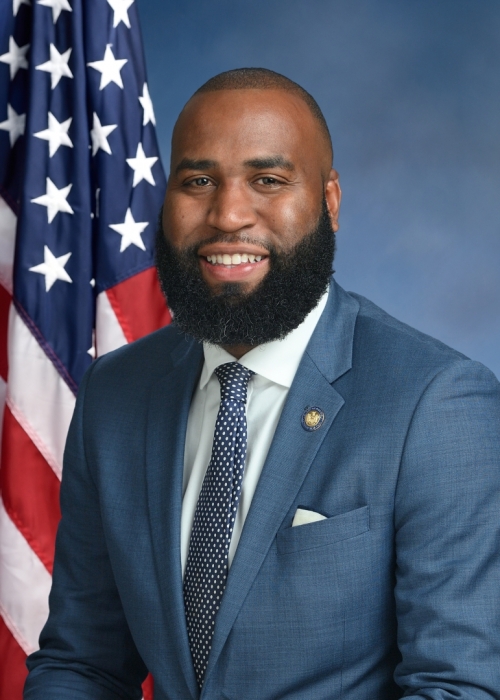
Diana Moreno
Diana Moreno House · District 36
D
Strong +
100% 39
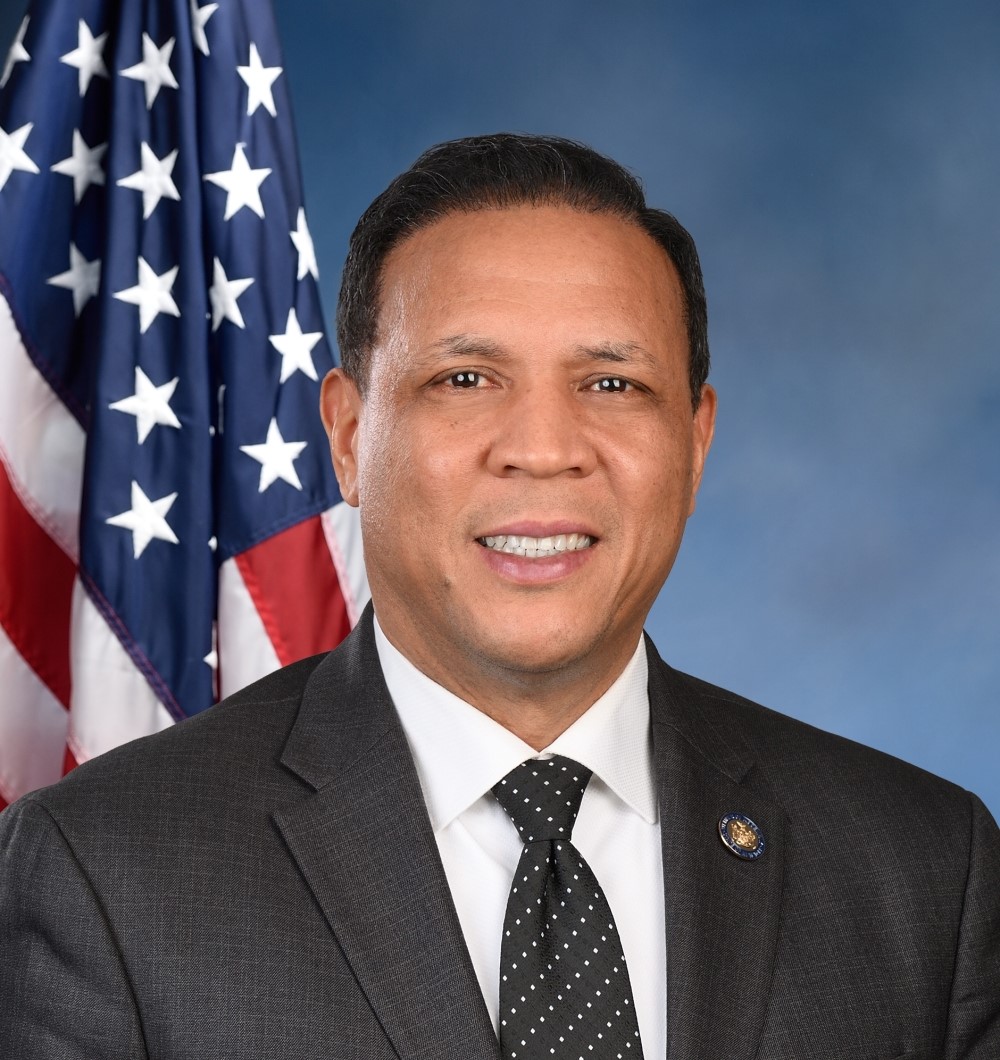
Bill Magnarelli
Bill Magnarelli House · District 129
D
Strong +
100% 72
Keith Powers
Keith Powers House · District 74
D
Strong +
100% 42
Brian Cunningham
Brian Cunningham House · District 43
D
Strong +
100% 74
George Alvarez
George Alvarez House · District 78
D
Strong +
100% 71
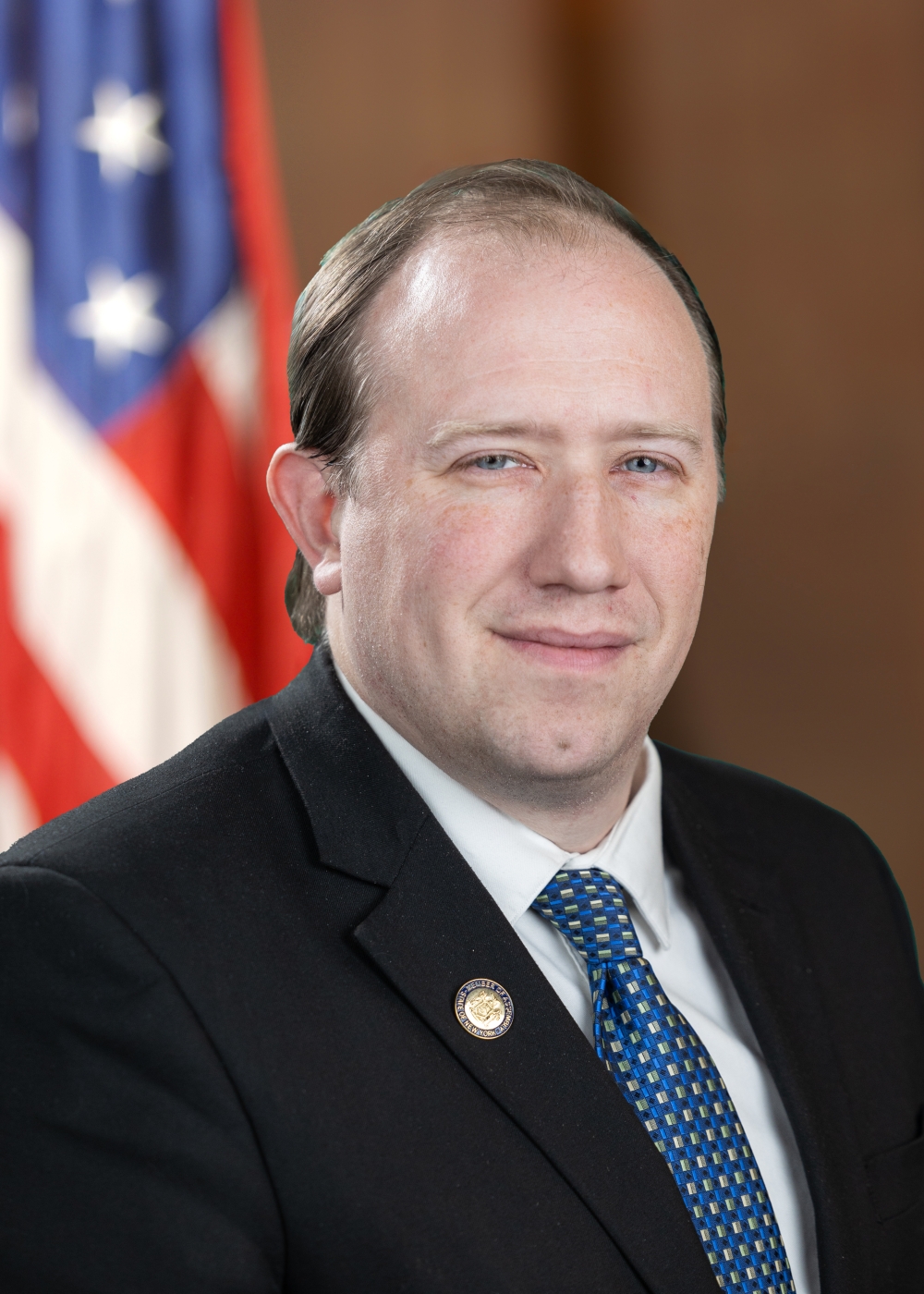
Dave DiPietro
Dave DiPietro House · District 147
R
Strong −
4% 78
Chris Tague
Chris Tague House · District 102
R
Strong −
4% 78
Chris Friend
Chris Friend House · District 124
R
Strong −
4% 74
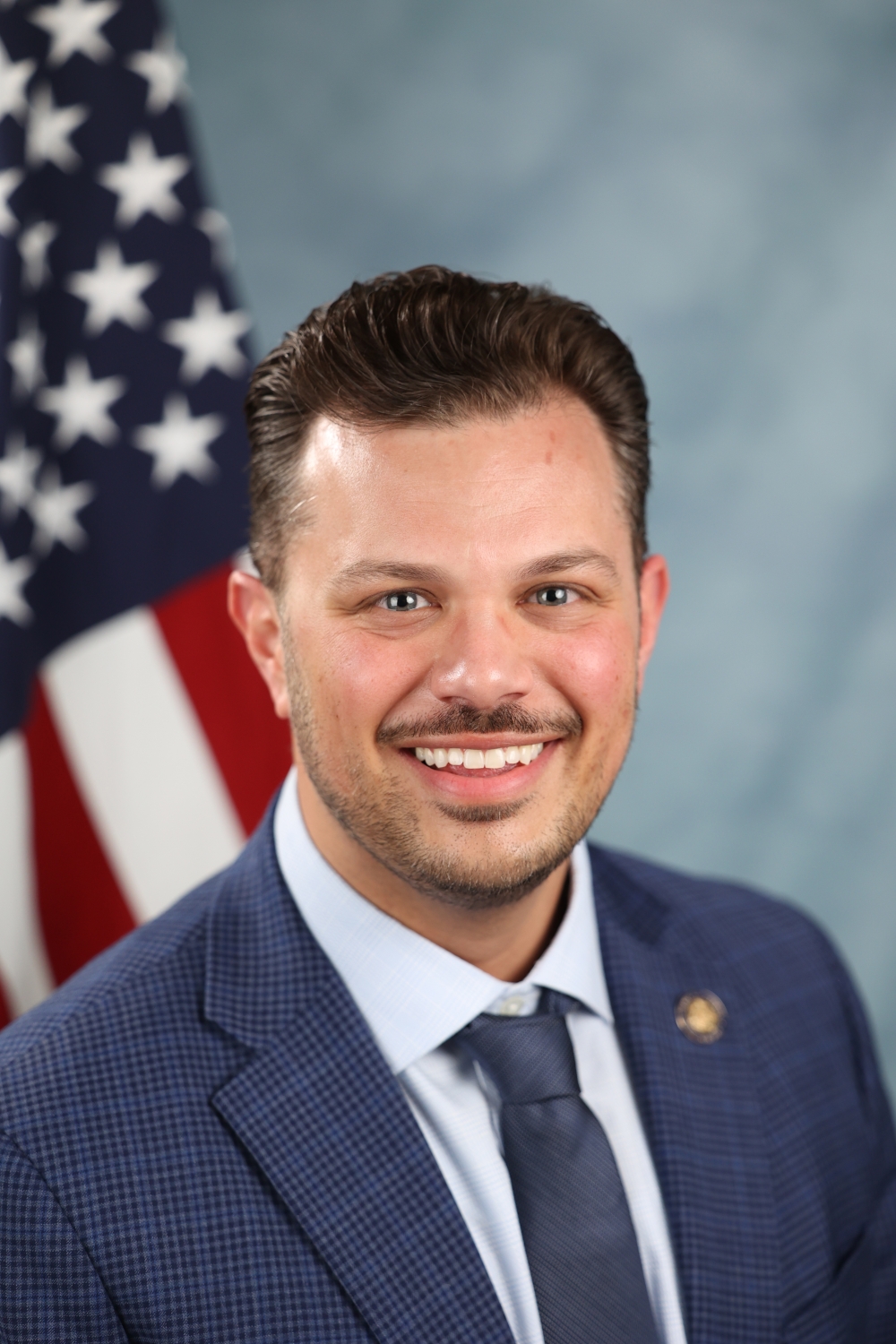
Joe Sempolinski
Joe Sempolinski House · District 148
R
Strong −
7% 78
Paul Bologna
Paul Bologna House · District 144
R
Strong −
7% 76
Showing 2,001–2,010 of 2,153 bills

All criminal justice bills

in committee · New York · Senate Jan 7, 2026

S 3653: Requires the disclosure of video footage related to the death of an incarcerated individual involving a correctional officer

Requires the disclosure of video footage related to the death of an incarcerated individual involving a correctional officer to the attorney general's office of special investigation.
in committee · New York · Assembly Jun 4, 2026

A 1670: Prohibits the use of restraints on incarcerated individuals during labor, absent extraordinary circumstances, and on pregnant persons during a custodial interrogation

Prohibits the use of restraints on and the use of force against incarcerated individuals during labor and incarcerated individuals who have experienced different pregnancy outcomes, absent extraordinary circumstances, and on pregnant and post-pregnancy persons during a custodial interrogation; provides for certain exceptions for restraints to be used and in such case limits the use to wrist restraints.
Sub-Topics Policing
in committee · New York · Senate Jan 7, 2026

S 2297: Modifies the effect of termination of criminal actions and proceedings against a minor

This bill automatically deletes certain arrest records for minors when their criminal case ends in their favor (e.g., dismissed or acquitted) and they have no prior arrests. It specifically requires the removal of photographs, fingerprints, palmprints, and arrest records from official files. The law applies only to minors defined as "juvenile offenders" under existing law, and only if they have no previous criminal history. This creates a clear, automatic process for clearing records to help young people avoid long-term consequences of a single minor offense.
Sub-Topics Juvenile Justice
in committee · New York · Senate Jan 7, 2026

S 6500: Establishes merit time allowance credits and certain administrative privileges credits for local correctional facilities

S 6500 establishes a merit time allowance credit program for eligible individuals in local correctional facilities (those serving one year or less sentences or awaiting trial). Participants earn one 24-hour credit for every four days of successful involvement in approved educational, vocational, work, or rehabilitative programs. These credits directly reduce their sentence time and are transferable to state facilities if convicted of a felony. The program requires voluntary participation, prohibits using non-participation as evidence against individuals, and mandates facilities to maintain and transfer credit records.
Sub-Topics Corrections
in committee · New York · Senate Jan 7, 2026

S 7216: Relates to segregated confinement

This bill prohibits segregated confinement (solitary isolation) for three specific groups: juveniles under 21, individuals with mental illness or developmental disabilities, and those with permanent physical disabilities that substantially limit major life activities (like walking or seeing). It also requires the commissioner to publish quarterly reports on segregated confinement use, including related self-harm incidents. Facility rules must now specify that any segregated confinement sanction must be the minimum necessary duration for maintaining order. The law takes effect 180 days after enactment.
Sub-Topics Corrections
in committee · New York · Senate Jan 7, 2026

S 578: Relates to offenses for which a court may fix bail or commit a principal to custody of the sheriff

This bill (S 578) changes pretrial release rules for people accused of sex offenses who are already designated as sex offenders under New York's Correction Law. It allows courts to require bail or hold such individuals in custody before trial, rather than automatically releasing them on their own recognizance. Previously, courts could only deny release for these individuals if they also found other risks (like flight risk), but this bill makes their sex offender status alone sufficient justification for bail or custody. The law directly affects people awaiting trial for sex offenses who are on the state's sex offender registry. It takes effect 30 days after becoming law.
Sub-Topics Courts
in committee · New York · Assembly Jan 7, 2026

A 6164: Prohibits certain limitations of visitation of incarcerated individuals

This bill prohibits prisons and jails from unjustly restricting in-person visits for incarcerated people. It requires facilities to allow at least two in-person visits per week and bans coercion to skip visits, while still permitting video calls as an extra option (not a replacement). Exceptions are allowed for safety reasons like misconduct or emergencies, as determined by corrections officials. The law directly affects incarcerated individuals and their families by protecting their right to regular face-to-face contact.
Sub-Topics Corrections
in committee · New York · Senate Jan 7, 2026

S 5085: Modifies the factors to be considered when making a parole release decision

This bill modifies New York's parole decision process by updating the factors parole boards must consider. It requires boards to evaluate an incarcerated person's institutional record, release plans, victim input (including statements about post-sentencing threats), deportation status, sentence length, and prior criminal history. The bill replaces the term "inmate" with "incarcerated person" throughout the law and mandates toll-free victim access and written reports for victim statements. It takes effect immediately, focusing on concrete procedural changes to parole assessments.
in committee · New York · Senate Jan 7, 2026

S 58: Establishes the crime of making a terroristic threat against a police officer

S 58 creates a new criminal offense for making threats of violence against police officers, classifying it as a class C felony. The bill defines the crime as threatening to commit violence against an officer with the intent to intimidate civilians, influence government policy, or disrupt government operations. It explicitly states that lacking the intent or ability to carry out the threat is not a valid defense. This law directly affects individuals who make such threats, imposing felony penalties rather than lesser offenses. The bill aims to strengthen legal consequences for threats targeting law enforcement personnel.
Sub-Topics Policing
in committee · New York · Senate Jan 7, 2026

S 404: Prohibits the use of reverse location and reverse keyword searches

Prohibits the search, with or without a warrant, of geolocation and keyword data of a group of people who are under no individual suspicion of having committed a crime, but rather are defined by having been at a given location at a given time or searched particular words, phrases, character strings, or websites.
Sub-Topics Data Privacy
Showing 2,001 to 2,010 of 2,153 bills