Issue · Criminal Justice

Criminal Justice

Every criminal justice bill, vote, and legislator stance in New York, automatically classified by Maddy, our AI policy reader.

Total bills
2,153
2025 Regular Session
Top supporter
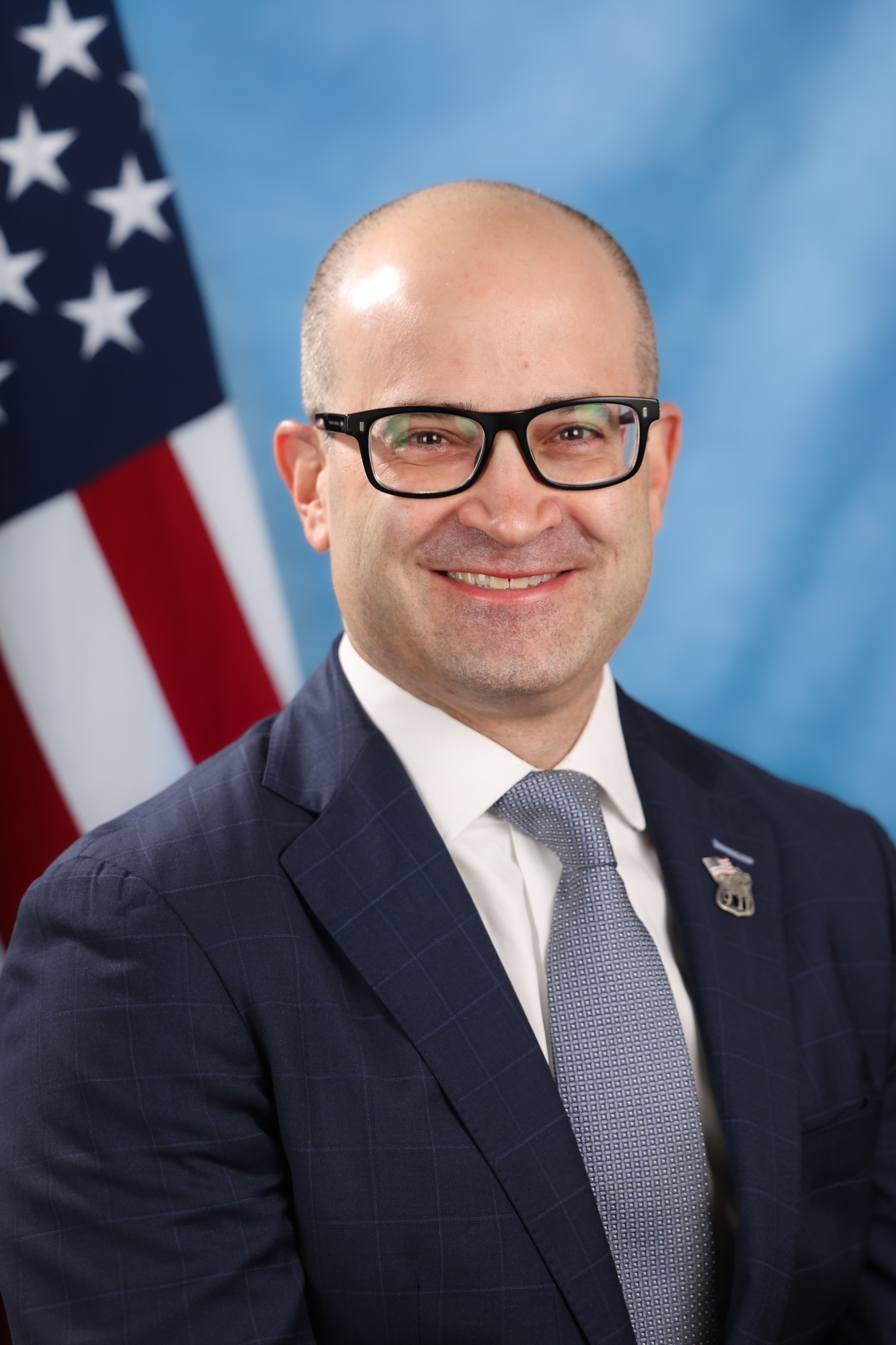
Bill Magnarelli
100% support rate
Top opponent
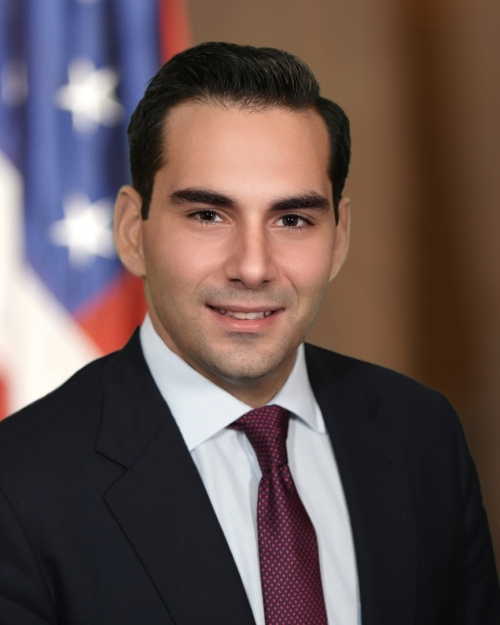
Chris Tague
4% support rate
Ranked legislators
10
5 support · 5 oppose
Key legislators

Who's moving criminal justice in New York

Legislators moving criminal justice in New York
Legislator Party Stance Support rate Decisive votes
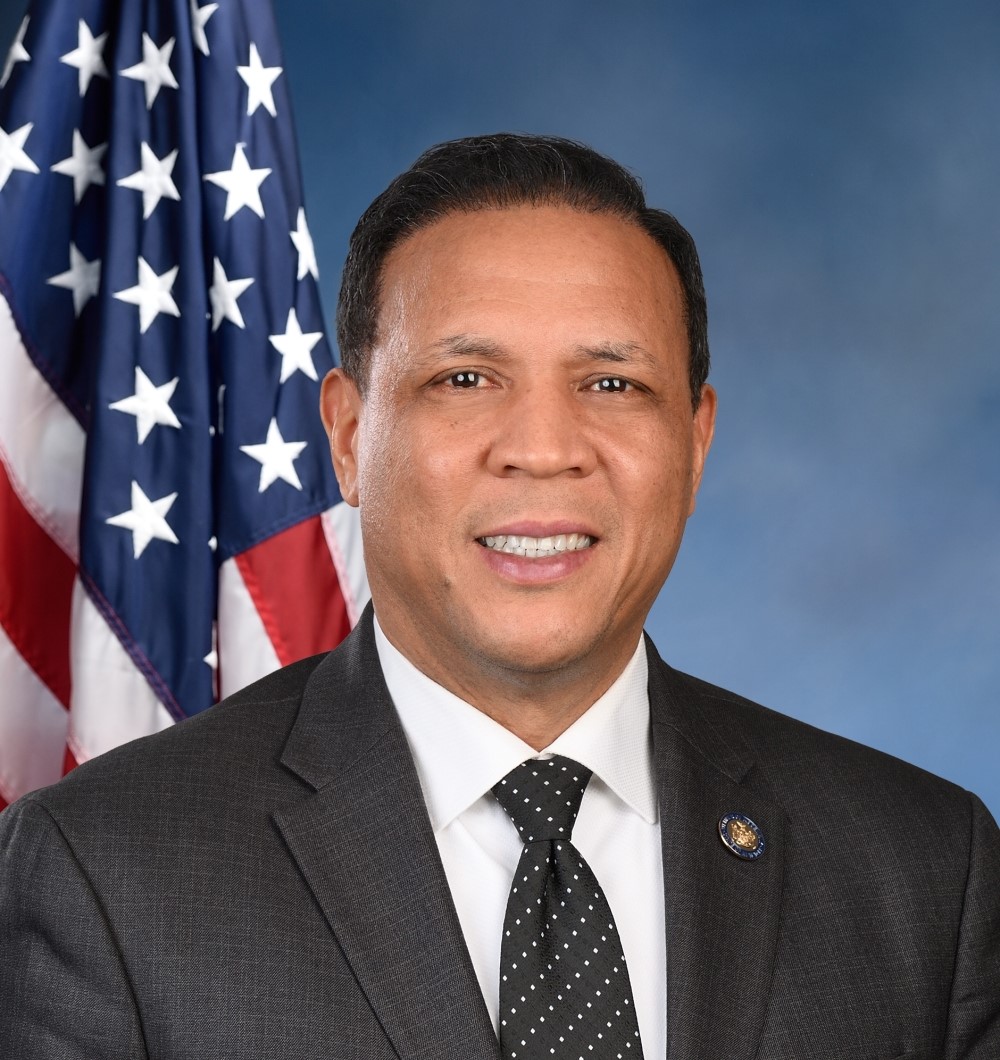
Bill Magnarelli
Bill Magnarelli House · District 129
D
Strong +
100% 27
George Alvarez
George Alvarez House · District 78
D
Strong +
100% 27
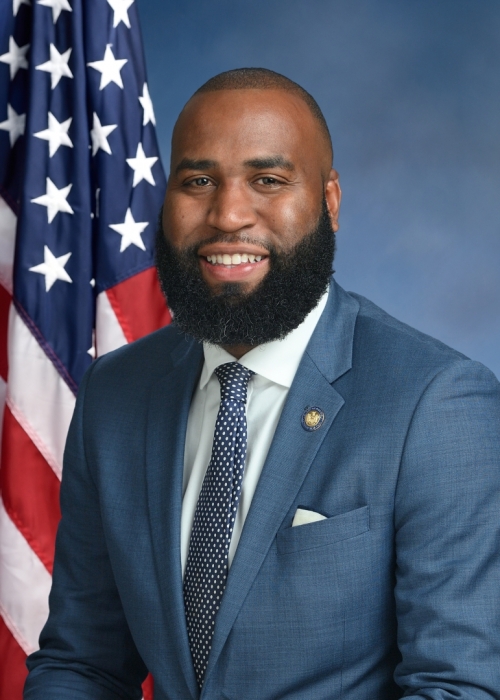
Brian Cunningham
Brian Cunningham House · District 43
D
Strong +
100% 25
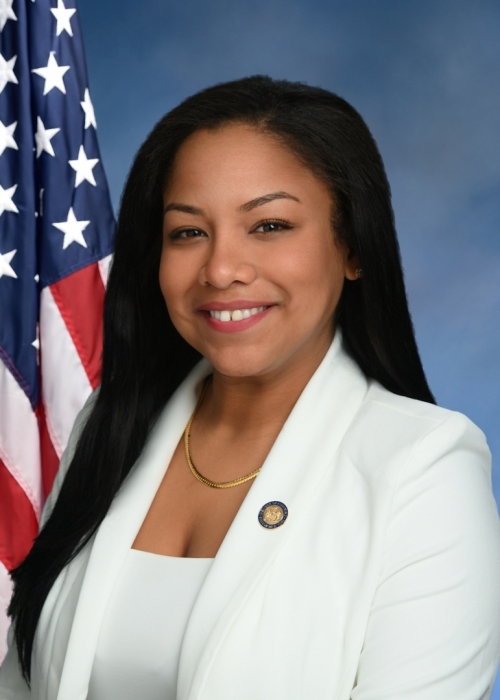
Amanda Septimo
Amanda Septimo House · District 84
D
Strong +
100% 24
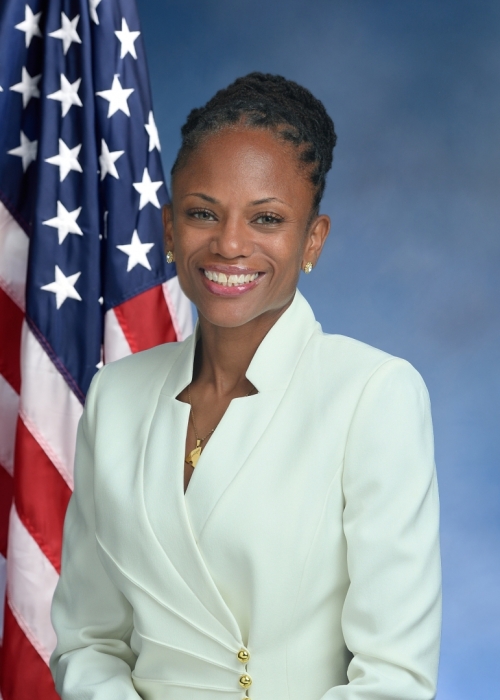
Monique Chandler-Waterman
Monique Chandler-Waterman House · District 58
D
Strong +
100% 24
Chris Tague
Chris Tague House · District 102
R
Strong −
4% 28
Dave DiPietro
Dave DiPietro House · District 147
R
Strong −
4% 28
Chris Friend
Chris Friend House · District 124
R
Strong −
4% 26
Ed Ra
Ed Ra House · District 19
R
Strong −
7% 28
Jarett Gandolfo
Jarett Gandolfo House · District 7
R
Strong −
7% 28
Showing 1,941–1,950 of 2,153 bills

All criminal justice bills

in committee · New York · Assembly Jan 7, 2026

A 7776: Establishes conviction integrity units

Establishes conviction integrity units; describes conviction integrity units; creates definitions; provides that a prosecution agency may create a conviction integrity unit to review convictions; provides that a conviction integrity unit may make recommendations for changes in convictions and sentences obtained by the prosecution agency; grants the prosecution agency discretion regarding the conviction integrity unit's recommendations; requires notice to the victim if a petition is filed by the prosecution agency; gives the superior court the discretion to provide relief.
Sub-Topics Courts
in committee · New York · Senate Jan 7, 2026

S 1013: Relates to prohibiting the use of chemical agents by police officers against minors

This bill prohibits police officers from using chemical agents - such as pepper spray, tear gas, or oleoresin capsicum - against any minor under 18 years old in all circumstances. It directly affects minors under 18 and requires all police departments to update their use-of-force policies to ban these chemical agents. The law amends existing policy rules to explicitly forbid such use, applying immediately upon enactment. This is a policy change to restrict specific police tactics targeting children, with no exemptions or exceptions specified.
in committee · New York · Senate Jan 7, 2026

S 128: Requires notice to crime victims that they have the right to attend interviews between the board of parole and the incarcerated individual; requires the board of parole to review victim impact statements

Requires the notice to crime victims of case disposition to inform the victim of the right to attend interviews between the board of parole and the incarcerated individual in cases where the final disposition includes a felony defined in article one hundred twenty-five of the penal law that results in the commitment of the defendant to the custody of the department of corrections and community supervision for an indeterminate sentence; requires the board of parole to review victim impact statements, failure to review such statements shall make a hearing by the board of parole invalid.
in committee · New York · Senate Jan 7, 2026

S 895: Relates to the automatic expungement of records of arrest

S 895 requires courts to automatically expunge arrest records when an arrest is deemed "voidable" (meaning no charges were filed, the arrest lacked probable cause, or charges were dismissed). It mandates that courts issue expungement orders within 30 days of an arrest becoming voidable, and directs law enforcement agencies to destroy physical records like photos, fingerprints, and documents within the same timeframe. Individuals affected can answer employment questions as if the arrest never occurred, and courts must notify both the person and their attorney of the expungement. This applies to all arrests meeting the "voidable" criteria in New York, streamlining record clearance without requiring individual petitions.
Sub-Topics Law Enforcement
in committee · New York · Assembly Jan 7, 2026

A 608: Expands prison work release program eligibility and participation

This bill expands eligibility for New York's prison work release programs by extending the timeframe for parole eligibility from two to three years before release. It allows incarcerated individuals convicted of homicide or assault to qualify if they prove they were abused by the victim and the abuse contributed to the crime, requiring documentation like hospital records or police reports. The bill excludes those convicted of serious offenses like sex crimes, terrorism, or child sexual abuse from participating. It also requires the commissioner to consult prosecutors and courts before approving exceptions, while maintaining restrictions on those with escape convictions or certain violent histories. This directly affects incarcerated people in New York state facilities seeking work release opportunities.
in committee · New York · Assembly May 28, 2026

A 4144: Prohibits state chartered banking institutions from investing in and providing financing for private prisons

This bill bans state-chartered banks from financing or investing in private prisons. It directly affects all state-chartered banking institutions by prohibiting them from providing loans, purchasing stocks, or funding any entity that operates a private correctional facility (a facility that would be illegal under existing state law if located in the state). The law applies to all new or modified contracts starting immediately upon enactment. This creates a clear policy change restricting financial support for private prison operations within the state's banking sector.
Sub-Topics Corrections
in committee · New York · Assembly Jan 7, 2026

A 5205: Establishes the crime of coordinated petit larceny, permits a principal to be eligible to be held on bail for coordinated petit larceny, and creates a public service campaign on larceny

Establishes the crime of coordinated petit larceny; permits a principal to be eligible to be held on bail for coordinated petit larceny; directs the division of criminal justice services to conduct a public awareness campaign on larceny.
in committee · New York · Assembly Jun 3, 2026

A 2121: Relates to voting rights and access for incarcerated individuals

Relates to voting rights and access for incarcerated individuals; authorizes polling places to be available at correctional facilities and local facilities; requires such facilities to provide persons detained or confined in such facilities access to register to vote or apply for an absentee ballot; requires voting information to be included in the inmate handbook.
Sub-Topics Civil Rights
in committee · New York · Assembly Jan 7, 2026

A 1658: Requires a sentence of life imprisonment without parole for murder in the first degree, aggravated murder, and murder in the second degree

This bill requires life imprisonment without parole for individuals convicted of murder in the first degree, aggravated murder, or specific types of murder in the second degree. It eliminates parole eligibility for these offenders, mandating they serve their entire sentence in prison with no possibility of release. The law applies to all such convictions under the defined legal standards, removing alternative sentencing options like fixed prison terms. Additionally, the bill includes similar life without parole requirements for certain terrorism and chemical weapon offenses, but the primary focus centers on murder sentencing reforms.
in committee · New York · Senate Jan 7, 2026

S 8182: Provides for access to legal counsel when a correctional facility has suspended visiting privileges

Directs the commissioner of corrections and community supervision to establish procedures to allow an incarcerated individual in a correctional facility which has suspended visiting privileges to have private meetings with their legal counsel.
Showing 1,941 to 1,950 of 2,153 bills