Issue · Criminal Justice

Criminal Justice

Every criminal justice bill, vote, and legislator stance in New York, automatically classified by Maddy, our AI policy reader.

Total bills
2,153
2025 Regular Session
Top supporter
Bill Magnarelli
100% support rate
Top opponent
Chris Tague
4% support rate
Ranked legislators
10
5 support · 5 oppose
Key legislators

Who's moving criminal justice in New York

Legislators moving criminal justice in New York
Legislator Party Stance Support rate Decisive votes
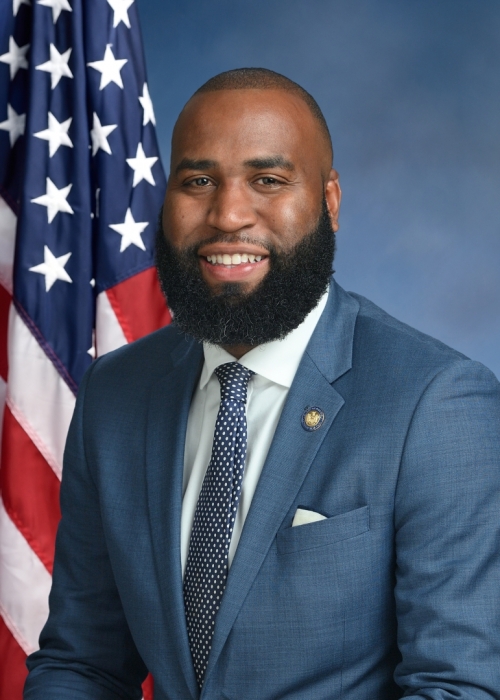
Bill Magnarelli
Bill Magnarelli House · District 129
D
Strong +
100% 27
George Alvarez
George Alvarez House · District 78
D
Strong +
100% 27
Brian Cunningham
Brian Cunningham House · District 43
D
Strong +
100% 25
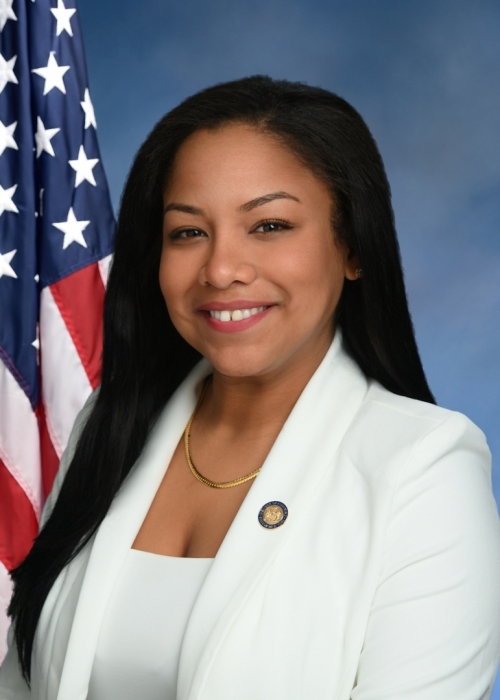
Amanda Septimo
Amanda Septimo House · District 84
D
Strong +
100% 24
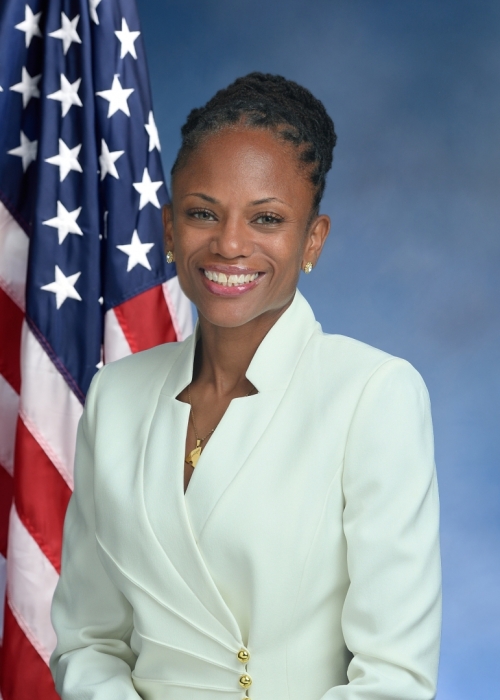
Monique Chandler-Waterman
Monique Chandler-Waterman House · District 58
D
Strong +
100% 24
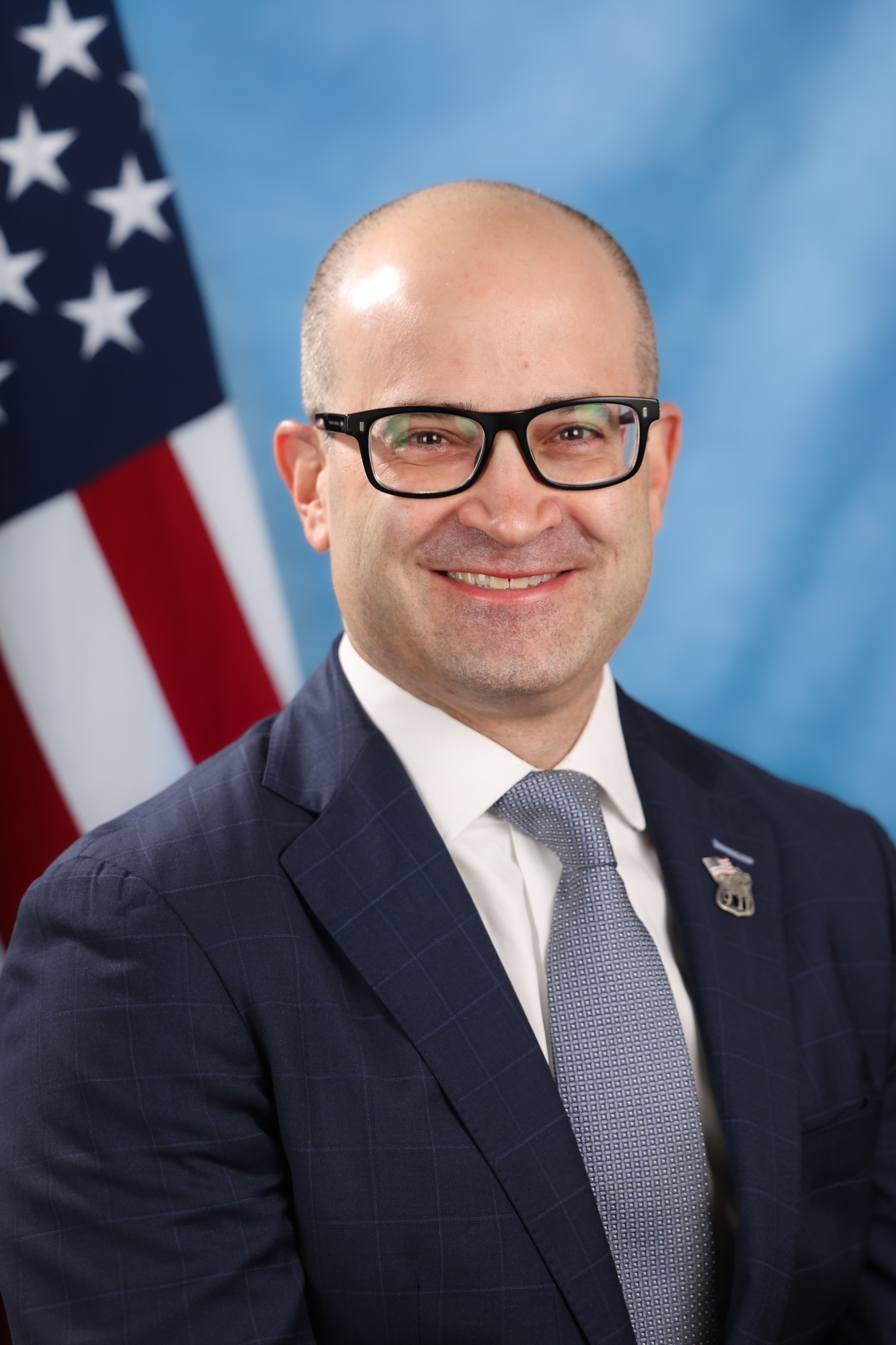
Chris Tague
Chris Tague House · District 102
R
Strong −
4% 28
Dave DiPietro
Dave DiPietro House · District 147
R
Strong −
4% 28
Chris Friend
Chris Friend House · District 124
R
Strong −
4% 26
Ed Ra
Ed Ra House · District 19
R
Strong −
7% 28
Jarett Gandolfo
Jarett Gandolfo House · District 7
R
Strong −
7% 28
Showing 1,801–1,810 of 2,153 bills

All criminal justice bills

in committee · New York · Senate Jan 7, 2026

S 1404: Requires grand jury proceedings for police officers or peace officers involved in a shooting or excessive use of force to be conducted in open, contemporaneous public hearings

Requires grand jury proceedings for police officers or peace officers involved in a shooting or excessive use of force to be conducted in open, contemporaneous public hearings.
Sub-Topics Policing
in committee · New York · Assembly Jan 7, 2026

A 341: Relates to reporting voting rates for parole commissioners

This bill requires the State Board of Parole to include each commissioner's individual voting rate for releasing people in its annual report to the governor and legislature. The report must track how often each commissioner votes to release individuals appearing before the board for release or community supervision. It amends existing law to mandate this specific data point alongside demographic information about people granted release. The change applies directly to the parole board's reporting process, not to parole decisions themselves. The bill was referred to the Correction committee on January 8, 2025.
Sub-Topics Probation & Parole
in committee · New York · Senate Jan 7, 2026

S 1070: Creates the New York state civilian complaint review board to investigate alleged misconduct by police and peace officers

S 1070 establishes a New York State Civilian Complaint Review Board to independently investigate complaints about misconduct by police and peace officers. The board, composed of nine public members without law enforcement experience, will handle complaints confidentially, complete investigations within six months, and recommend disciplinary action to the officer's employer or the district attorney if no action is taken within 30 days. This bill directly affects police and peace officers by subjecting misconduct claims to civilian oversight and provides a formal process for the public to file complaints without needing to be a victim.
Sub-Topics Policing
in committee · New York · Senate Jan 7, 2026

S 142: Increases from twenty-four to sixty months, the time for which reconsideration for parole for a violent felony offense shall be determined

Enacts "Lorraine's Law"; increases from twenty-four to sixty months, the time for which reconsideration for parole for a violent felony offense shall be determined.
in committee · New York · Senate Jan 8, 2025

S 963: Relates to automatic license plate readers

This bill requires New York law enforcement agencies to adopt minimum standards for using automatic license plate readers (ALPRs), directly affecting police departments that deploy these systems. It mandates agencies to develop policies covering permissible uses, data sharing, retention, and officer training, then publicly post these policies online or at their main offices. The bill also directs the council to recommend ongoing training programs for police officers on these policies and procedures. These requirements aim to standardize ALPR use and increase transparency for the public.
in committee · New York · Assembly Jan 7, 2026

A 6499: Relates to the timeframe for filing pre-trial motions in criminal cases

This bill changes the deadline for filing pre-trial motions in criminal cases from 30 to 45 days after arraignment. It directly affects defendants (whether represented by lawyers or representing themselves) in criminal trials. The key provision extends the deadline to 45 days after certain evidence is shared (like eavesdropping warrants or witness statements), and resets the clock if a defendant without a lawyer requests time to get counsel. The bill does not alter the standard timeline for most cases but adds specific extensions for complex evidence disclosures.
in committee · New York · Senate Jan 7, 2026

S 4645: Requires unanimous agreement by the parole board to release incarcerated individuals on parole

S 4645 requires New York's parole board to unanimously agree before releasing an incarcerated person on parole, replacing previous majority-vote rules. If denied, the board must provide a detailed, written explanation of the denial within two weeks and set a reconsideration date within 24 months. Upon release, individuals receive parole conditions including restitution collection details and a notice that voting rights will be restored. This bill directly affects incarcerated people seeking parole and alters the board's decision-making process under New York's executive law.
in committee · New York · Senate Jan 7, 2026

S 4212: Establishes a state crisis intervention demonstration program and a crisis intervention team training fund

This bill establishes a 5-year demonstration program in New York to train law enforcement officers in responding to mental health and substance use crises. It creates a dedicated "crisis intervention team training fund" (using federal/private grants) to support 40-hour mental health training for police officers and coordinate partnerships between law enforcement, mental health providers, and community advocates. The program requires a state coordinator to work with police departments, develop community partnerships, and provide alternatives to incarceration for individuals in crisis. An advisory committee with diverse stakeholders (including mental health consumers, families, and law enforcement) will review annual reports and make recommendations to state agencies. The program directly affects municipal police departments, mental health service providers, and individuals experiencing mental health or substance use crises.
Sub-Topics Policing Mental Health
in committee · New York · Assembly Jan 7, 2026

A 6429: Relates to second felony drug offenders; repealer

This bill (A 6429) amends New York's penal law to remove an exception for second felony drug offenders. Specifically, it deletes language that previously allowed some second-time drug offenders (whose prior felony wasn't violent) to avoid mandatory sentencing. The bill repeals a related subdivision (Subdivision 4 of Section 70.70) and updates definitions in the criminal procedure law regarding prior convictions. These changes apply immediately to cases where sentencing occurs after the effective date, affecting second felony drug offenders who would no longer qualify for the removed exception.
Sub-Topics Drug Policy Sentencing
in committee · New York · Senate Jan 7, 2026

S 5879: Enacts Michelle and Jordan's law relating to the penalties for a second conviction of participating in an unlawful speed contest or race

This bill, "Michelle and Jordan's law," increases penalties for a second conviction of participating in illegal street racing or speed contests within 12 months. It upgrades the offense to a class E felony, punishable by up to one year in prison, a fine of $525-$750, or both. The law directly affects individuals convicted twice of such traffic violations within a year. It amends New York's Vehicle and Traffic Law to impose these stricter penalties starting 180 days after enactment.
Sub-Topics Corrections
Showing 1,801 to 1,810 of 2,153 bills