Issue · Criminal Justice

Criminal Justice

Every criminal justice bill, vote, and legislator stance in New York, automatically classified by Maddy, our AI policy reader.

Total bills
2,153
2025 Regular Session
Top supporter
Bill Magnarelli
100% support rate
Top opponent
Chris Tague
4% support rate
Ranked legislators
10
5 support · 5 oppose
Key legislators

Who's moving criminal justice in New York

Legislators moving criminal justice in New York
Legislator Party Stance Support rate Decisive votes
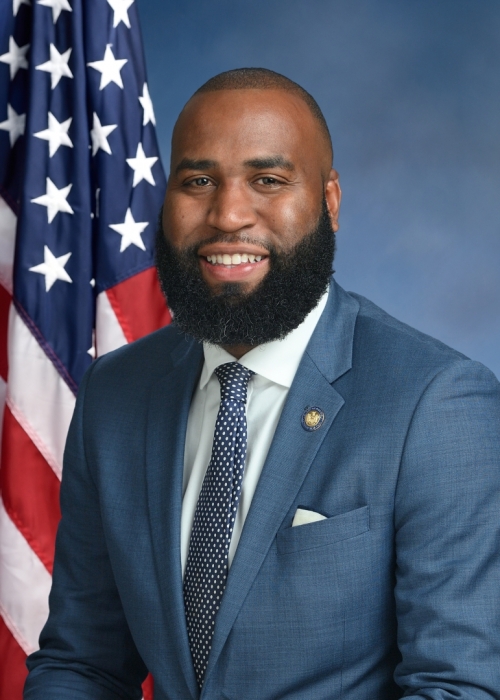
Bill Magnarelli
Bill Magnarelli House · District 129
D
Strong +
100% 27
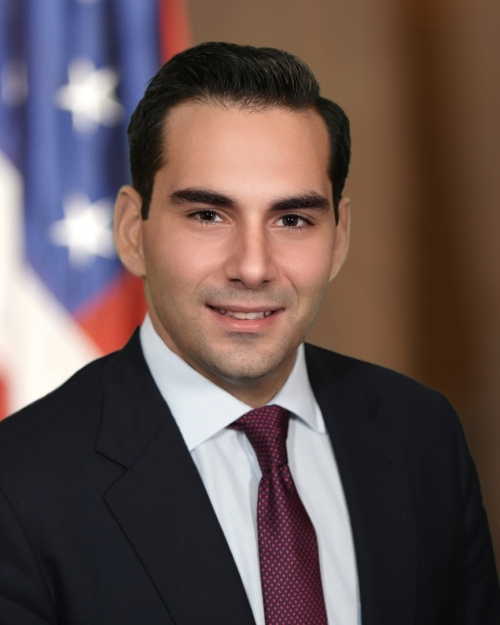
George Alvarez
George Alvarez House · District 78
D
Strong +
100% 27
Brian Cunningham
Brian Cunningham House · District 43
D
Strong +
100% 25
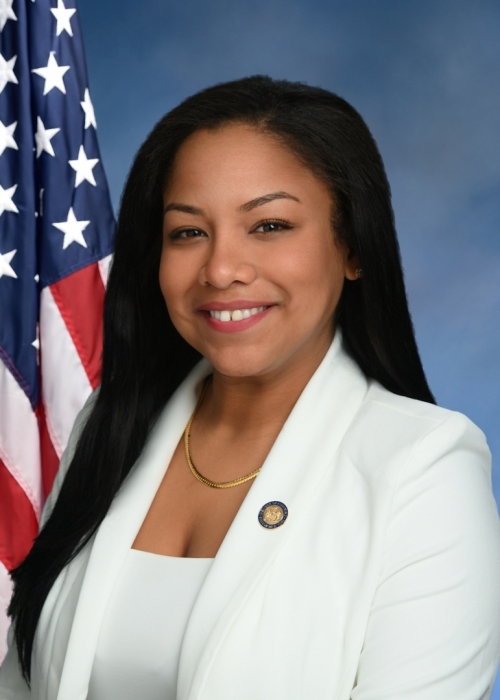
Amanda Septimo
Amanda Septimo House · District 84
D
Strong +
100% 24
Monique Chandler-Waterman
Monique Chandler-Waterman House · District 58
D
Strong +
100% 24
Chris Tague
Chris Tague House · District 102
R
Strong −
4% 28
Dave DiPietro
Dave DiPietro House · District 147
R
Strong −
4% 28
Chris Friend
Chris Friend House · District 124
R
Strong −
4% 26
Ed Ra
Ed Ra House · District 19
R
Strong −
7% 28
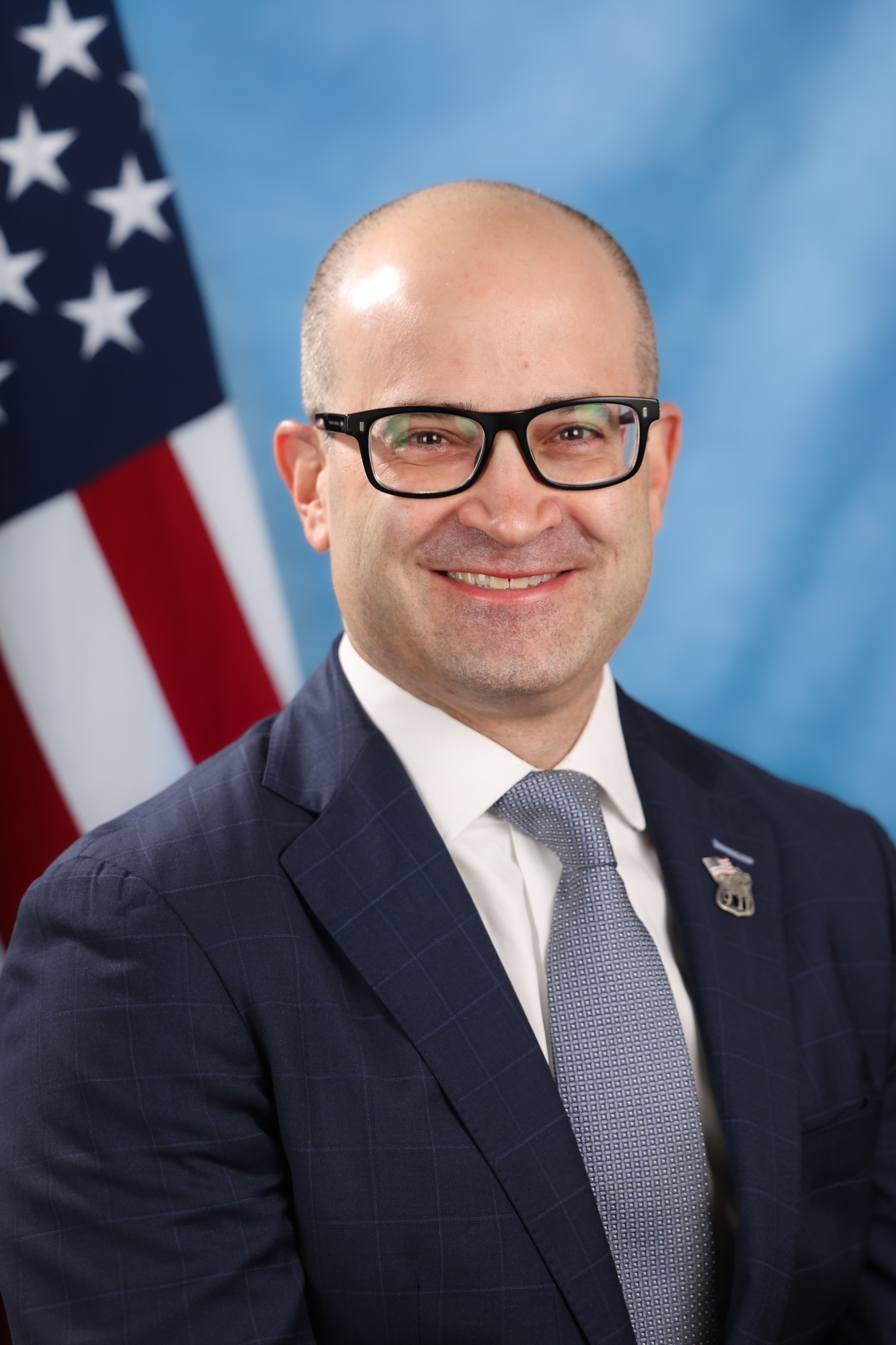
Jarett Gandolfo
Jarett Gandolfo House · District 7
R
Strong −
7% 28
Showing 1,781–1,790 of 2,153 bills

All criminal justice bills

in committee · New York · Assembly Jan 7, 2026

A 4337: Establishes the crime of aggravated offering of a false accusation against a police officer

Establishes the crime of aggravated offering of a false accusation against a police officer or peace officer for knowing the information reported to be false or baseless, such person reports, by word or action, to a law enforcement officer or agency, the wrongdoing by a police officer or peace officer in the performance of such officer's duties; requires the posting of bail.
Sub-Topics Policing
passed both · New York · Senate Jun 5, 2026

S 1004: Relates to determining the capacity of a defendant to stand trial

This bill amends New York's criminal procedure law to clarify how courts assess whether a defendant has the mental capacity to stand trial. It requires psychiatric examiners to specifically evaluate whether "restoration services" (such as medication support, competency training, or symptom management) could reasonably restore a defendant's capacity within a set timeframe, and include this assessment in their reports. The bill directly affects defendants in criminal cases who may lack mental capacity due to illness or disability, ensuring their evaluation process considers potential treatment pathways. Key provisions define "restoration services" and mandate that examiners' reports detail the feasibility of such services before a court decides on next steps.
Sub-Topics Courts
in committee · New York · Assembly Jan 7, 2026

A 1617: Relates to potential tenants with a criminal history; and relates to public housing applicants with a criminal history

This bill prohibits landlords from denying rental applications solely based on a potential tenant's criminal history and creates similar protections for public housing applicants. It requires landlords to avoid blanket denials and mandates that public housing programs cannot inquire about criminal history before determining eligibility. The bill also establishes strict criteria for denying housing based on criminal history (only if directly related to public safety), bans consideration of sealed records, and requires an appeal process for rejected applicants. These changes directly affect renters in private housing and applicants for state/local public housing subsidies.
passed · New York · Senate May 13, 2026

S 6463: Authorizes the transfer of pregnant and postpartum incarcerated individuals to residential treatment facilities

Authorizes the transfer of pregnant and postpartum incarcerated individuals to residential treatment facilities; requires annual reporting on the number of such incarcerated individuals transferred.
in committee · New York · Senate Jan 7, 2026

S 5283: Relates to parole eligibility for crimes committed at age twenty-one or younger

Relates to parole eligibility for crimes committed at age twenty-one or younger; provides if such individual is convicted of a crime prior to their twenty-second birthday for which they were sentenced to a period of incarceration greater than 20 years, they shall be eligible for parole after fifteen years of incarceration.
failed · New York · Assembly Jan 7, 2026

A 2262: Requires law enforcement and courts to notify the United States Immigration and Customs Enforcement agency when an arrested person or defendant is not a United States citizen; repealer

Requires law enforcement and courts to notify the United States Immigration and Customs Enforcement agency (ICE) when an arrested person or defendant is not a United States citizen; adjusts certain maximum sentences for class A misdemeanors and unclassified misdemeanors; requires notification to be made to the United States Immigration and Customs Enforcement agency prior to the release of certain noncitizens; repeals provisions of the "protect our courts act".
in committee · New York · Assembly Jan 7, 2026

A 825: Relates to giving prosecutors' offices access to law enforcement records for discovery purposes

Requires police departments and agencies to provide district attorneys' offices access to such departments' and agencies' electronic record systems for discovery purposes.
Sub-Topics Policing
in committee · New York · Senate Jan 7, 2026

S 1276: Authorizes the court to order sexual offenders on probation to terms of imprisonment which run consecutively to sentences already being served

Authorizes the court to order sexual offenders on probation, where such probation has been revoked, to terms of imprisonment which run consecutively to sentences already being served.
in committee · New York · Senate Jun 5, 2026

S 6727: Relates to the evidentiary standard for evidentiary and disciplinary hearings

This bill (S 6727) changes the evidentiary standard for disciplinary and evidentiary hearings in New York's correction system. It replaces the current "substantial evidence" standard with the higher "preponderance of the evidence" standard (meaning it is more likely than not that the facts support the decision). This directly affects inmates and staff facing disciplinary actions in correctional facilities, as it raises the bar for evidence required to uphold those decisions. If enacted, the change would apply to all such hearings under the Correction Law and take effect 90 days after becoming law.
in committee · New York · Assembly Jan 7, 2026

A 6873: Relates to the automatic expungement of records of arrest

This bill automatically expunges arrest records in New York for individuals whose arrests were later deemed "voidable" (e.g., no charges filed, lack of probable cause, or dismissed charges). Courts must issue expungement orders within 30 days of the arrest becoming voidable, requiring all law enforcement agencies to destroy physical records like photos, fingerprints, and digital copies (except retained fingerprint cards). Affected individuals can later answer employment inquiries as if the arrest never occurred. The law directly benefits people with specific dismissed or unjustified arrests by removing barriers to employment and housing.
Sub-Topics Law Enforcement
Showing 1,781 to 1,790 of 2,153 bills