Issue · Criminal Justice

Criminal Justice

Every criminal justice bill, vote, and legislator stance in New York, automatically classified by Maddy, our AI policy reader.

Total bills
2,153
2025 Regular Session
Top supporter
Bill Magnarelli
100% support rate
Top opponent
Chris Tague
4% support rate
Ranked legislators
10
5 support · 5 oppose
Key legislators

Who's moving criminal justice in New York

Legislators moving criminal justice in New York
Legislator Party Stance Support rate Decisive votes
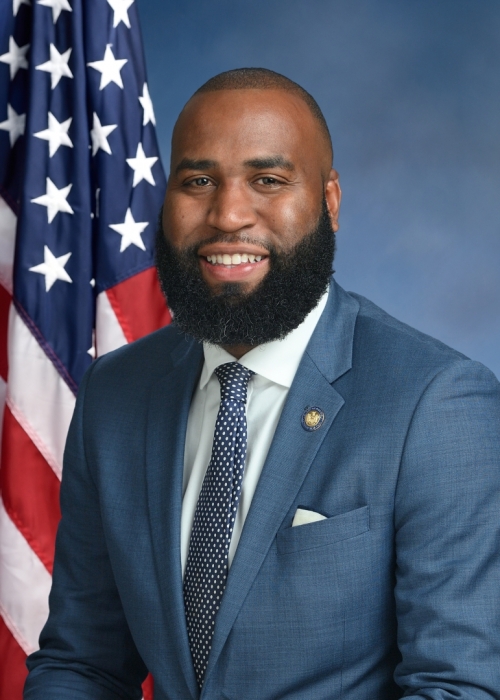
Bill Magnarelli
Bill Magnarelli House · District 129
D
Strong +
100% 27
George Alvarez
George Alvarez House · District 78
D
Strong +
100% 27
Brian Cunningham
Brian Cunningham House · District 43
D
Strong +
100% 25
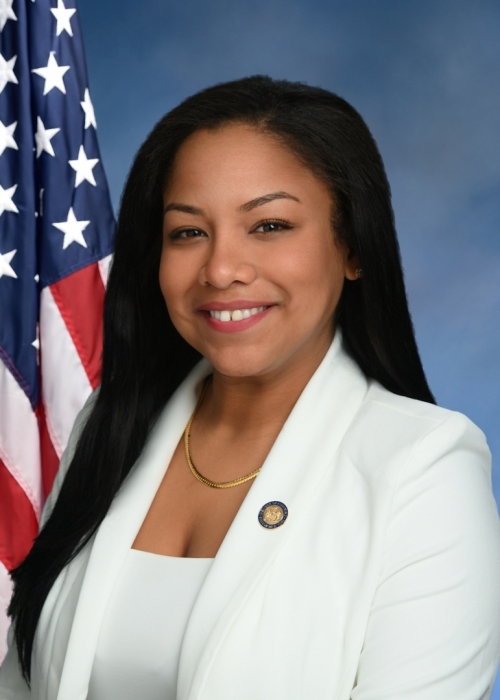
Amanda Septimo
Amanda Septimo House · District 84
D
Strong +
100% 24
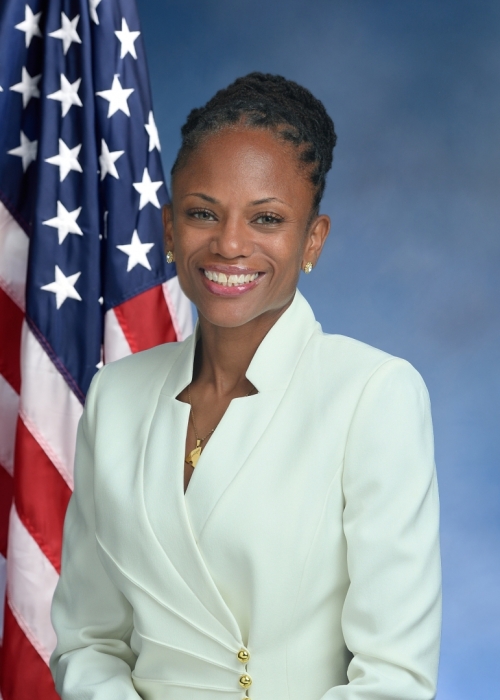
Monique Chandler-Waterman
Monique Chandler-Waterman House · District 58
D
Strong +
100% 24
Chris Tague
Chris Tague House · District 102
R
Strong −
4% 28
Dave DiPietro
Dave DiPietro House · District 147
R
Strong −
4% 28
Chris Friend
Chris Friend House · District 124
R
Strong −
4% 26
Ed Ra
Ed Ra House · District 19
R
Strong −
7% 28
Jarett Gandolfo
Jarett Gandolfo House · District 7
R
Strong −
7% 28
Showing 1,751–1,760 of 2,153 bills

All criminal justice bills

in committee · New York · Assembly Jan 7, 2026

A 720: Relates to conferring youthful offender status upon conviction of an eligible youth for a misdemeanor

This bill changes New York's criminal procedure to automatically grant "youthful offender" status to eligible minors convicted of misdemeanors in local courts, provided they have no prior criminal convictions or youthful offender status. If these conditions are met, the court must classify them as youthful offenders at sentencing, preventing a permanent criminal record and limiting potential prison time to under four years. The law applies immediately to all future misdemeanor convictions meeting these criteria. It directly affects young people aged 16-20 (as defined by law) who commit minor offenses without prior legal history.
in committee · New York · Senate Jan 7, 2026

S 2576: Relates to the definition of person for the purposes of homicide

S 2576 amends New York's criminal code to define "person" in homicide cases as a living, born human being. This change, named "Mya's law," specifies that only individuals who have been fully born and are alive qualify as homicide victims under the law. The bill takes immediate effect upon enactment. It directly affects how homicide charges are applied, particularly in cases involving infants or unborn individuals.
Sub-Topics Violent Crime
in committee · New York · Assembly Jan 7, 2026

A 6343: Relates to allowing courts to consider a principal's threat to public safety when determining bail

Allows courts to consider whether a principal poses a current physical danger to the safety of any crime victim, person or the community when determining bail.
Sub-Topics Victims' Rights
in committee · New York · Assembly Jan 7, 2026

A 7131: Requires expunction of records resulting from identity theft or mistaken identity

This bill requires courts to automatically expunge all official records (including fingerprints, photos, DNA, and arrest details) when a person is wrongly arrested or charged due to identity theft or mistaken identity, and the case is dismissed. It directly affects individuals who were erroneously identified as suspects, regardless of their prior criminal history. Key provisions mandate that courts order expungement of records across all relevant agencies (like law enforcement, DMV, and criminal justice services), reverse penalties like license suspensions or insurance surcharges, and waive associated fees. The person can legally deny the arrest ever occurred for employment, licensing, or firearm purchases.
Sub-Topics Firearms
in committee · New York · Assembly Jan 7, 2026

A 5428: Establishes an ombudsperson for local correctional facilities

Establishes an ombudsperson for local correctional facilities to receive, investigate and propose resolutions for complaints and grievances concerning the conditions of confinement for individuals currently or formerly incarcerated in local correctional facilities located outside of a city with a population of one million or more.
in committee · New York · Assembly Jan 7, 2026

A 4238: Adjusts the compensation of formerly incarcerated individuals who were unjustly convicted

Retroactively adjusts the compensation of formerly incarcerated individuals who were unjustly convicted; exempts such adjusted income from state income taxes.
Sub-Topics Victims' Rights
in committee · New York · Senate Jan 7, 2026

S 870: Raises the monetary value of damaged property that is considered criminal mischief or securities fraud

This bill raises the monetary thresholds that define certain property damage and fraud offenses as felonies. It increases the amount of property damage triggering criminal mischief (from $250 to $1,000) and raises the threshold for second-degree criminal mischief (from $1,500 to $3,000). For securities fraud, it raises the value requiring a class E felony charge from $250 to $1,000. These changes directly affect individuals or entities whose actions exceed these new dollar amounts, reclassifying lower-value offenses as misdemeanors instead of felonies.
in committee · New York · Senate Jan 7, 2026

S 390: Permits at the discretion of the court certain members of the victim's family to read statements in court during the sentencing of a defendant

Permits at the discretion of the court certain members of the deceased victim's family to read statements in court during the sentencing of a defendant, rather than allowing only a single member of the victim's family to read a statement in court, upon consultation with counsel for the defendant and the people.
in committee · New York · Assembly Jan 7, 2026

A 5241: Includes peace officers in certain offenses against public safety

This bill amends New York's penal law to explicitly include "peace officers" (such as sheriffs, campus police, or other designated officers) in existing laws about fleeing police in a vehicle. It creates three levels of offenses: a class A misdemeanor for fleeing at excessive speeds (third degree), a class E felony if serious injury occurs (second degree), and a class D felony if death results (first degree). The law directly affects drivers who flee from peace officers and officers who may face enhanced penalties when fleeing occurs. It also updates vehicle law to clarify that peace officer vehicles qualify as authorized emergency vehicles. The changes take effect immediately upon enactment.
Sub-Topics Policing
Showing 1,751 to 1,760 of 2,153 bills