Issue · Criminal Justice

Criminal Justice

Every criminal justice bill, vote, and legislator stance in New York, automatically classified by Maddy, our AI policy reader.

Total bills
2,153
2025 Regular Session
Top supporter
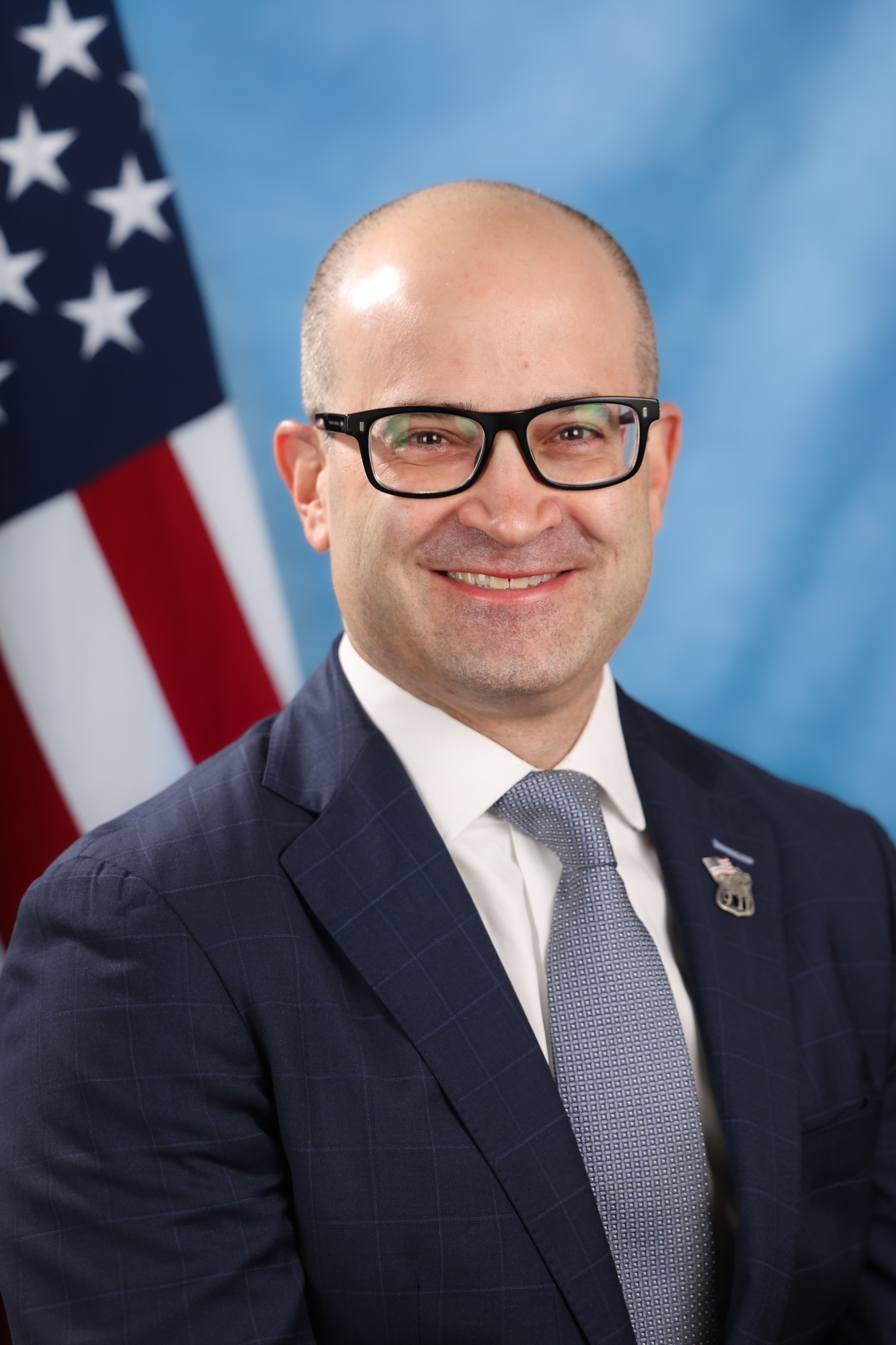
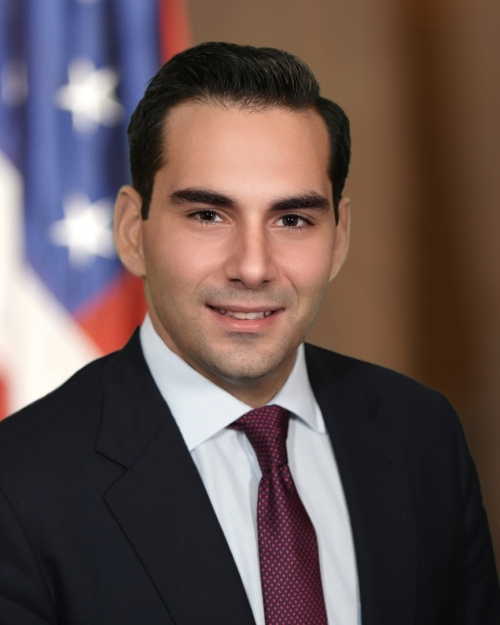
Bill Magnarelli
100% support rate
Top opponent
Chris Tague
4% support rate
Ranked legislators
10
5 support · 5 oppose
Key legislators

Who's moving criminal justice in New York

Legislators moving criminal justice in New York
Legislator Party Stance Support rate Decisive votes
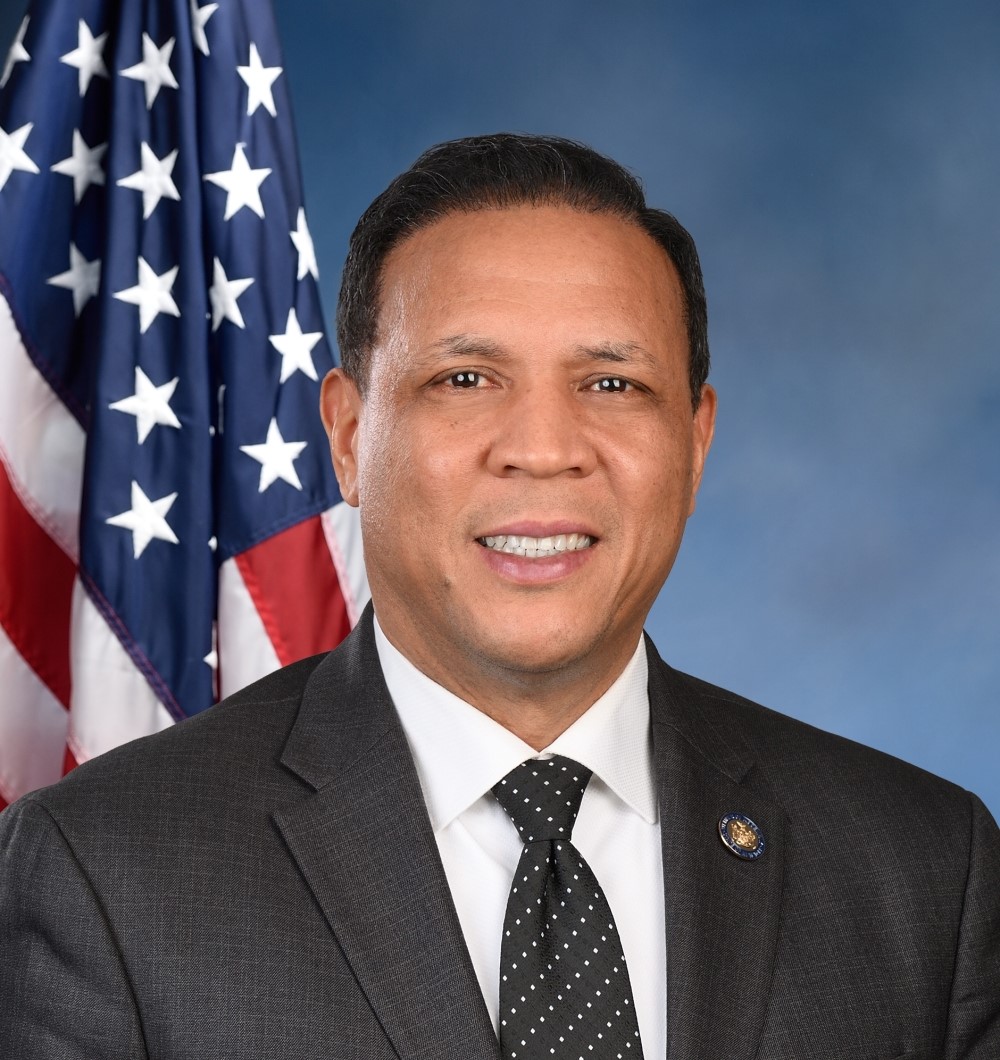
Bill Magnarelli
Bill Magnarelli House · District 129
D
Strong +
100% 27
George Alvarez
George Alvarez House · District 78
D
Strong +
100% 27
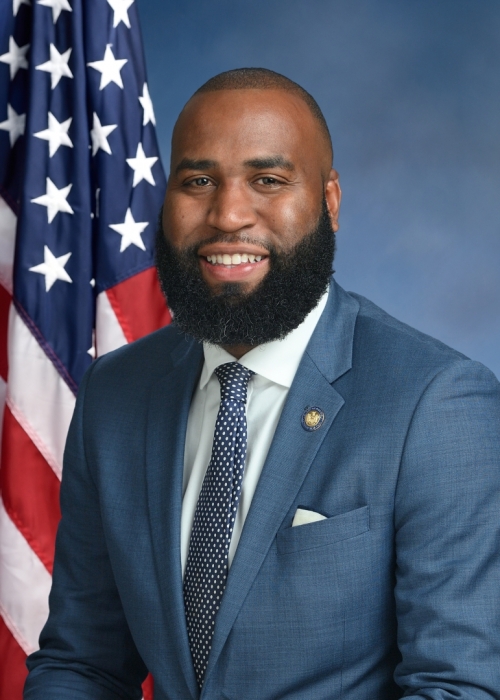
Brian Cunningham
Brian Cunningham House · District 43
D
Strong +
100% 25
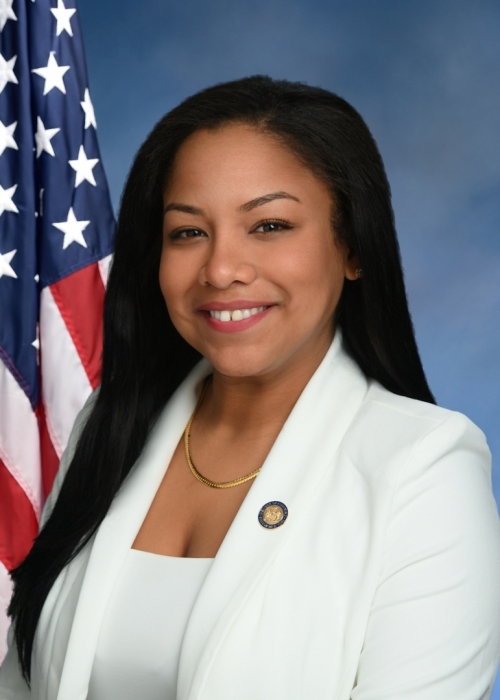
Amanda Septimo
Amanda Septimo House · District 84
D
Strong +
100% 24
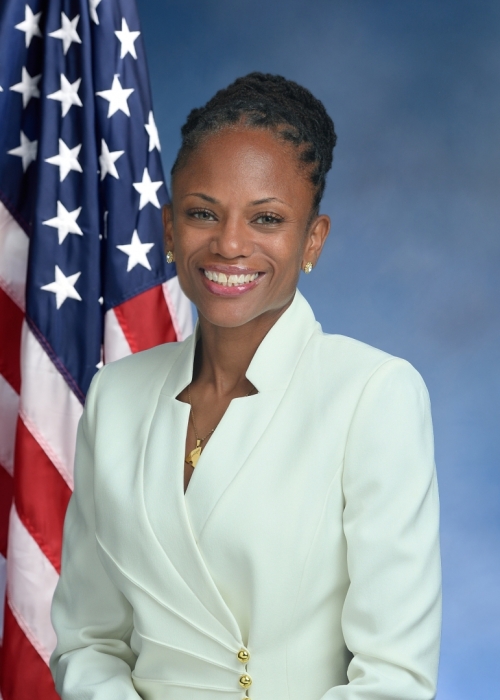
Monique Chandler-Waterman
Monique Chandler-Waterman House · District 58
D
Strong +
100% 24
Chris Tague
Chris Tague House · District 102
R
Strong −
4% 28
Dave DiPietro
Dave DiPietro House · District 147
R
Strong −
4% 28
Chris Friend
Chris Friend House · District 124
R
Strong −
4% 26
Ed Ra
Ed Ra House · District 19
R
Strong −
7% 28
Jarett Gandolfo
Jarett Gandolfo House · District 7
R
Strong −
7% 28
Showing 1,701–1,710 of 2,153 bills

All criminal justice bills

in committee · New York · Assembly Jan 7, 2026

A 8384: Requires that Miranda rights statements be more specific

Requires that Miranda rights statements be more specific with respect to the right to counsel; requires inquiry into whether such rights are understood.
in committee · New York · Assembly Jan 7, 2026

A 5165: Provides that sentence for commission of certain provisions of murder in the first degree is death or life without parole

This bill (A 5165) changes sentencing requirements for certain serious crimes in New York. It mandates that defendants convicted of specific types of first-degree murder (as defined in sections 125.27(i)-(iii) of the penal law), aggravated murder, or certain terrorism/chemical weapon offenses must receive either the death penalty or life imprisonment without parole. For other first-degree murder convictions, the court must choose between death, life without parole, or a standard class A-I felony sentence. The bill also specifies that individuals convicted of murder in the second degree under defined circumstances must receive life without parole. These changes apply directly to defendants convicted of the listed offenses in New York State.
in committee · New York · Senate Jan 7, 2026

S 6106: Relates to establishing mandatory continuing law enforcement education for peace officers

Relates to establishing mandatory continuing law enforcement education for peace officers; requires peace officers to biannually complete a minimum of 32 credit hours of training including de-escalation techniques, implicit biases and mental health training.
Sub-Topics Law Enforcement
in committee · New York · Senate Jan 7, 2026

S 5153: Prohibits the use of DNA phenotyping in criminal prosecutions and proceedings

This bill prohibits New York law enforcement agencies from using or contracting for DNA phenotyping services, which predict physical traits like eye color, skin tone, or ancestry from DNA. It bans any evidence derived from such analysis from being used in criminal investigations, arrests, or court proceedings, and requires existing DNA phenotyping data held by police to be destroyed immediately. Convictions based on this evidence would be eligible for review under existing legal procedures. The law applies directly to police departments and criminal cases within New York State.
Sub-Topics Courts Policing
died · New York · Senate Jun 5, 2026

S 5138: Abolishes citizens arrests; repealer

S 5138 abolishes New York State's legal allowance for citizens to make arrests, removing a long-standing provision that permitted ordinary people to detain others under specific circumstances. The bill repeals key sections of the criminal procedure law and penal law that previously authorized citizens to use physical force to arrest individuals suspected of committing certain serious crimes (like murder or robbery) while they were fleeing. This change directly affects all New Yorkers who previously could legally make citizen arrests, replacing that authority with exclusive police powers for arrests. The bill does not alter police procedures or create new offenses, but removes a specific legal tool available to private individuals. It is currently pending in the Assembly after passing the Senate.
Sub-Topics Policing Violent Crime
in committee · New York · Senate Jan 7, 2026

S 8468: Relates to assault, harassment or stalking of an elected official

This bill (S 8468) creates new criminal offenses targeting threats and violence against elected officials in New York State. It establishes "stalking an elected official" (a class D felony) and "aggravated harassment of an elected official" (a class E felony), which include threats via communication, unwanted contact, or physical actions motivated by bias, when directed at officials or their immediate family. The law specifically covers all elected officials at state, city, county, town, village, or school board levels, and applies to communications or actions related to their official duties. Penalties increase for assaults causing serious injury, raising assault on elected officials to a class C felony and aggravated assault to a class B felony.
in committee · New York · Senate Jan 7, 2026

S 3998: Relates to civil actions for deprivation of constitutional rights

Relates to civil actions for deprivation of constitutional rights; provides that a peace officer employed by a local government, who under color of law, subjects or causes to be subjected, including failing to intervene, any other person to the deprivation of any individual rights that create binding obligations on government actors secured by the bill of rights, article one of the state constitution, is liable to the injured party for legal or equitable relief or any other appropriate relief; provides that statutory immunities and statutory limitations on liability, damages or attorney fees shall not apply; governmental immunity shall not be a defense to liability; and qualified immunity shall not be a defense to liability.
Tags Civil Liberties
in committee · New York · Senate Jan 7, 2026

S 4100: Provides for the re-enfranchisement of voters with felony convictions; repealer

This bill (S 4100) removes a disqualification for voting based on felony conviction from New York's election law. It repeals specific sections that previously canceled voter registrations for people convicted of felonies, directly affecting individuals with past felony convictions who wish to vote. The key change eliminates language in the election law that barred voting rights due to felony convictions, allowing these voters to regain eligibility without additional steps. This procedural bill focuses on updating the law to remove the disqualification, not on creating new voting rights.
Sub-Topics Civil Rights
in committee · New York · Assembly Jan 7, 2026

A 6401: Requires participation in an alcohol and drug rehabilitation program for certain first offenders

This bill requires courts to order certain first-time offenders convicted of alcohol or drug-related traffic offenses (like DUI) to attend and pay for approved rehabilitation programs as part of their sentence. It applies to individuals with no prior convictions for similar offenses, excluding those who participated in such programs within the past five years. Courts may deny participation for "good cause" (with documented reasons), and participants must complete the program to qualify for sentence termination, potentially ending any jail time imposed. The policy shifts sentencing focus from incarceration to treatment for eligible non-violent, first-time traffic violations involving alcohol or drugs.
in committee · New York · Assembly Jan 7, 2026

A 3090: Creates a "purple alert system" for missing victims of domestic violence

This bill creates a statewide "purple alert system" to rapidly notify the public when a domestic violence victim (who has voluntarily opted in) goes missing. It requires law enforcement to report such cases to a designated state coordinator, who then activates the alert through participating media, highway message signs, and other channels. The system mandates strict privacy protections (including HIPAA compliance) and includes specific protocols for verifying cases, issuing alerts, and terminating them once the victim is found or the case resolves. The alert system directly affects participating domestic violence victims, law enforcement agencies, and media entities that volunteer to broadcast the alerts.
Showing 1,701 to 1,710 of 2,153 bills