Issue · Criminal Justice

Criminal Justice

Every criminal justice bill, vote, and legislator stance in New York, automatically classified by Maddy, our AI policy reader.

Total bills
2,153
2025 Regular Session
Top supporter
Bill Magnarelli
100% support rate
Top opponent
Chris Tague
4% support rate
Ranked legislators
10
5 support · 5 oppose
Key legislators

Who's moving criminal justice in New York

Legislators moving criminal justice in New York
Legislator Party Stance Support rate Decisive votes
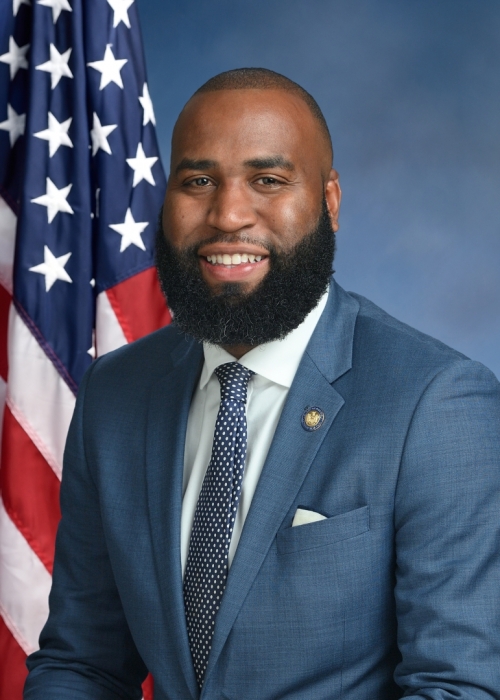
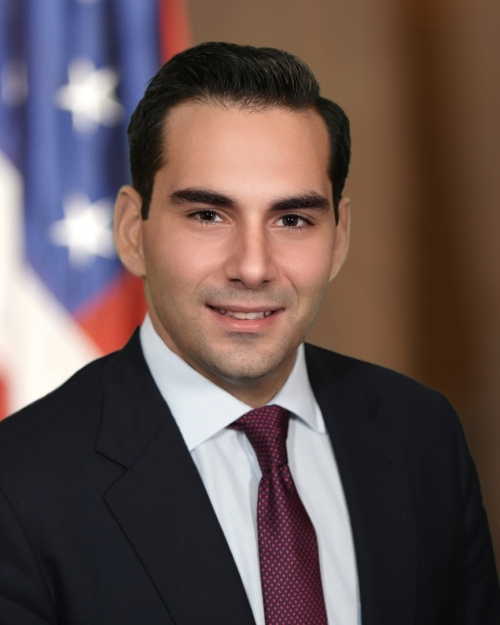
Bill Magnarelli
Bill Magnarelli House · District 129
D
Strong +
100% 27
George Alvarez
George Alvarez House · District 78
D
Strong +
100% 27
Brian Cunningham
Brian Cunningham House · District 43
D
Strong +
100% 25
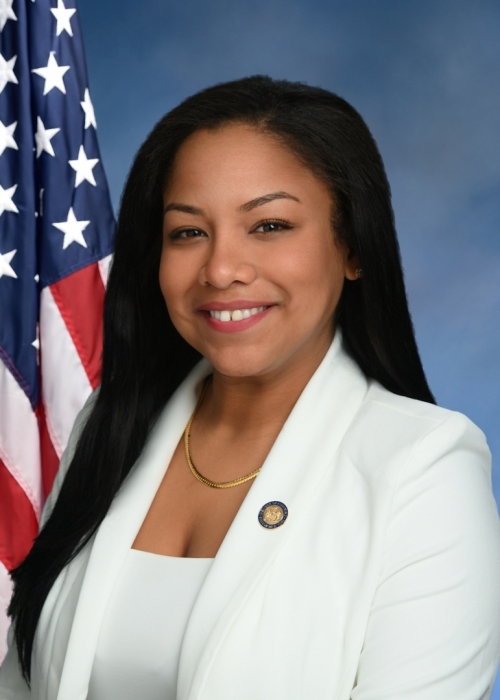
Amanda Septimo
Amanda Septimo House · District 84
D
Strong +
100% 24
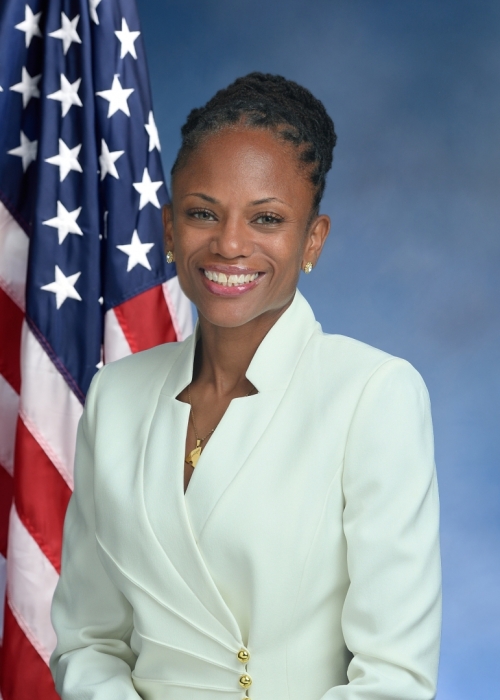
Monique Chandler-Waterman
Monique Chandler-Waterman House · District 58
D
Strong +
100% 24
Chris Tague
Chris Tague House · District 102
R
Strong −
4% 28
Dave DiPietro
Dave DiPietro House · District 147
R
Strong −
4% 28
Chris Friend
Chris Friend House · District 124
R
Strong −
4% 26
Ed Ra
Ed Ra House · District 19
R
Strong −
7% 28
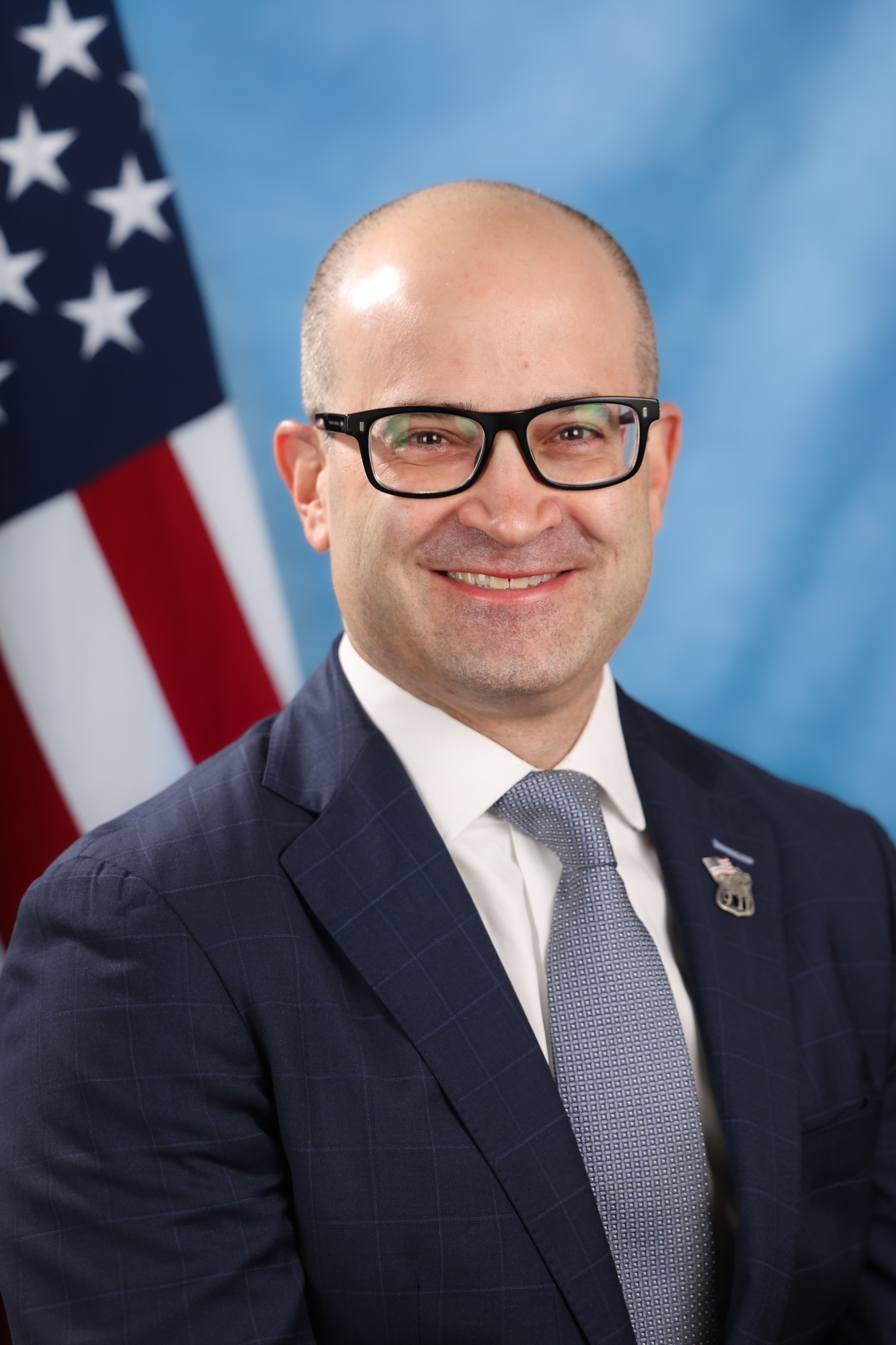
Jarett Gandolfo
Jarett Gandolfo House · District 7
R
Strong −
7% 28
Showing 1,621–1,630 of 2,153 bills

All criminal justice bills

in committee · New York · Assembly Jan 7, 2026

A 9127: Includes certain offenses in being eligible for bail, makes certain offenses eligible to be considered hate crimes, and increases the penalties for certain offenses

Includes aggravated threat of mass harm, making a threat of mass harm, aggravated harassment in the second degree, harassment in the first degree, menacing in the third degree, menacing in the second degree, menacing in the first degree, and aggravated harassment in the first degree in being eligible for bail; makes aggravated threat of mass harm and making a threat of mass harm eligible to be considered hate crimes; increases the penalties for aggravated threat of mass harm and making a threat of mass harm.
in committee · New York · Senate Jan 7, 2026

S 5911: Enhances the penalties for crimes committed during a riot

This bill (S 5911) raises penalties for riot-related offenses by reclassifying them as felonies. It upgrades "riot in the first degree" to a class D felony, "riot in the second degree" and "inciting to riot" to class E felonies (previously misdemeanors). The bill also adds new provisions linking riot offenses to other charges, such as arson committed during a riot or possessing a firearm while engaging in riot-related conduct. These changes directly affect individuals convicted of riot-related crimes, increasing potential prison sentences and criminal penalties. The bill focuses on adjusting existing legal classifications without creating new offenses.
Sub-Topics Firearms
in committee · New York · Assembly Jan 7, 2026

A 53: Allows evidence of a defendant's prior crimes or acts to be admissible in a criminal case for certain purposes

Allows evidence of a defendant's prior crimes or acts to be admissible in a criminal case for certain purposes including as proof of motive, opportunity, intent, preparation, plan, knowledge, state of mind of the defendant, state of mind of the victim or other party, absence of mistake or accident, identity, modus operandi, or common scheme or plan; requires that the prosecution provide reasonable notice of the general nature of any such evidence it intends to introduce at trial.
in committee · New York · Senate Jan 7, 2026

S 7142: Prohibits employment discrimination against persons whose criminal charges have been adjourned in contemplation of dismissal

This bill prohibits employers from discriminating against job applicants or employees who had criminal charges dismissed after an "adjournment in contemplation of dismissal" (a legal process where charges are put on hold pending successful completion of conditions, like probation). It clarifies that such dismissed cases do not count as a conviction or admission of guilt, preventing employers from using them as a basis for denial of employment or licenses. The law amends existing criminal procedure statutes to explicitly state that these dismissed cases should not result in employment penalties or affect an individual's status. It directly affects people with these specific dismissed charges when seeking or maintaining employment.
in committee · New York · Senate Jan 7, 2026

S 5272: Sets hourly rates for persons representing certain persons in court or before a magistrate

This bill sets pay rates for court-appointed lawyers representing people who cannot afford legal representation. It establishes $158 per hour for misdemeanor cases (both in and out of court) and $164 per hour for all other cases, with annual adjustments starting in 2027 based on federal standards. Total case payments are capped at $10,000 (adjusted annually), and lawyers must submit sworn statements detailing their work to receive reimbursement. The policy directly affects appointed defense attorneys in county court proceedings.
Sub-Topics Courts Judges
in committee · New York · Assembly Sep 8, 2025

A 3635: Relates to supporting depositions that are served at the time of issuance of a simplified information

This bill (A 3635) gives defendants charged under a simplified information (a streamlined process for minor offenses) the right to receive a written statement from the police officer or public servant who issued the charge. The statement must explain why the officer believes the defendant committed the offense, based on their knowledge or information. If a defendant requests this statement before pleading guilty or before trial (within 30 days of their court appearance date), the court must order the officer to serve it to the defendant or their attorney within 30 days or five days before trial - whichever comes first. This change ensures defendants have access to the officer's factual basis for the charge before trial.
Sub-Topics Courts Policing
in committee · New York · Senate Jan 7, 2026

S 1274: Reforms the commission on forensic science; and makes conforming changes; repealer

Updates the membership, powers, duties and procedures of the commission on forensic science; establishes the scientific advisory committee, the social justice, ethics, and equity assessment committee and the forensic analyst license advisory committee; makes conforming changes.
in committee · New York · Assembly Mar 7, 2025

A 1291: Authorizes bail for principals charged with aggravated cruelty to animals

This bill amends New York's criminal procedure law to explicitly include "aggravated cruelty to animals" as a charge eligible for bail. It adds this offense to existing lists in sections 510.10, 530.20, and 530.40, which previously listed other minor offenses like third-degree weapon possession. The change directly affects defendants charged with aggravated cruelty to animals under Agriculture and Markets Law § 353-a, allowing them to seek bail release before trial. The policy shift clarifies that this specific animal cruelty charge now qualifies for bail eligibility, aligning it with similar low-level offenses.
Sub-Topics Drug Policy
in committee · New York · Senate May 12, 2025

S 2696: Relates to proof of claims for unjust conviction and imprisonment

This bill, S 2696, amends the Court of Claims Act to expand the eligibility requirements for individuals seeking compensation for unjust conviction and imprisonment. It broadens the specific legal grounds under which a person whose judgment of conviction was reversed or vacated can file a claim against the state. The changes include additional provisions from the criminal procedure law and cases where the statute underlying the conviction, or its application, violated the U.S. or New York State Constitution. This allows more individuals who were unjustly imprisoned to pursue a claim for damages.
Sub-Topics Courts
in committee · New York · Assembly Jan 7, 2026

A 6855: Provides that the intentional murder of a child under the age of twelve shall be a first degree murder offense

This bill amends New York's penal law to classify the intentional murder of a child under age 12 as first-degree murder. It adds a specific provision (subparagraph XIV) to the existing definition of first-degree murder, stating that killing a child under 12 automatically qualifies as first-degree murder. This change directly affects criminal cases involving the murder of children under 12, ensuring such offenses are prosecuted as the most serious felony. The bill does not alter sentencing ranges but elevates the offense classification for these specific cases. The law takes effect November 1 following its enactment.
Sub-Topics Sentencing
Showing 1,621 to 1,630 of 2,153 bills