Issue · Budget & Taxes

Budget & Taxes

Every budget & taxes bill, vote, and legislator stance in New York, automatically classified by Maddy, our AI policy reader.

Total bills
82
119th Congress
Top supporter
Elise M. Stefanik
69% support rate
Top opponent
George Latimer
14% support rate
Ranked legislators
10
5 support · 5 oppose
Key legislators

Who's moving budget & taxes in New York

Legislators moving budget & taxes in New York
Legislator Party Stance Support rate Votes
Elise M. Stefanik
Elise M. Stefanik House · District 21
R
Support
69% 163
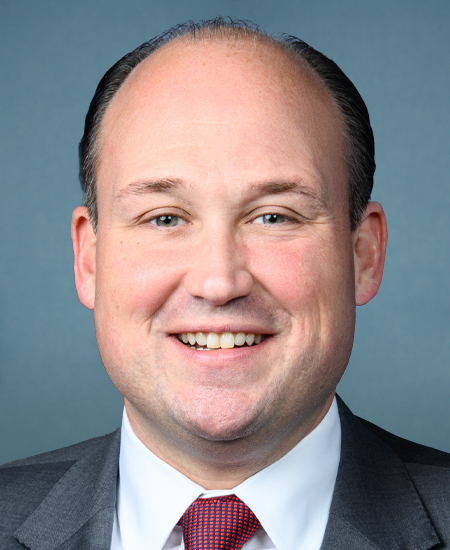
Nicholas A. Langworthy
Nicholas A. Langworthy House · District 23
R
Support
67% 184
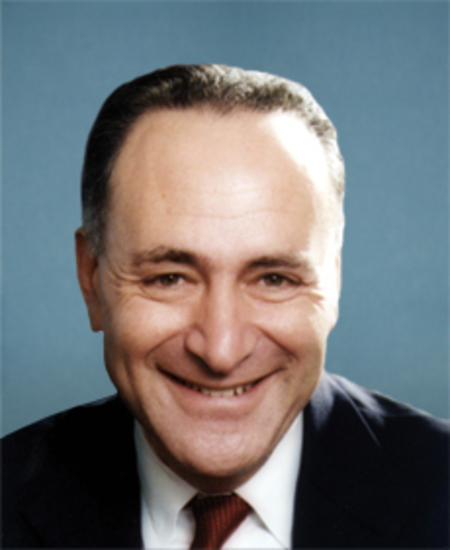
Charles E. Schumer
Charles E. Schumer Senate
D
Support
65% 274
Kirsten E. Gillibrand
Kirsten E. Gillibrand Senate
D
Support
65% 272
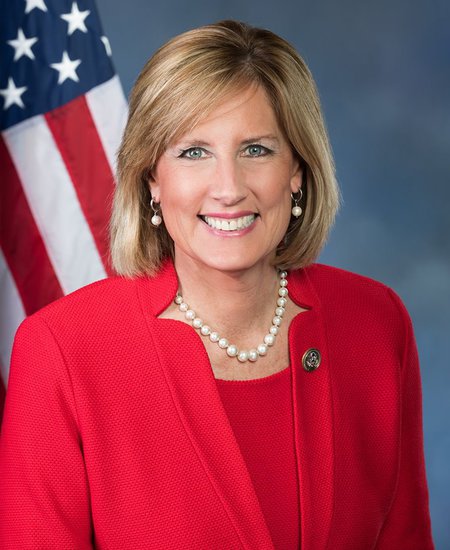
Claudia Tenney
Claudia Tenney House · District 24
R
Support
62% 184
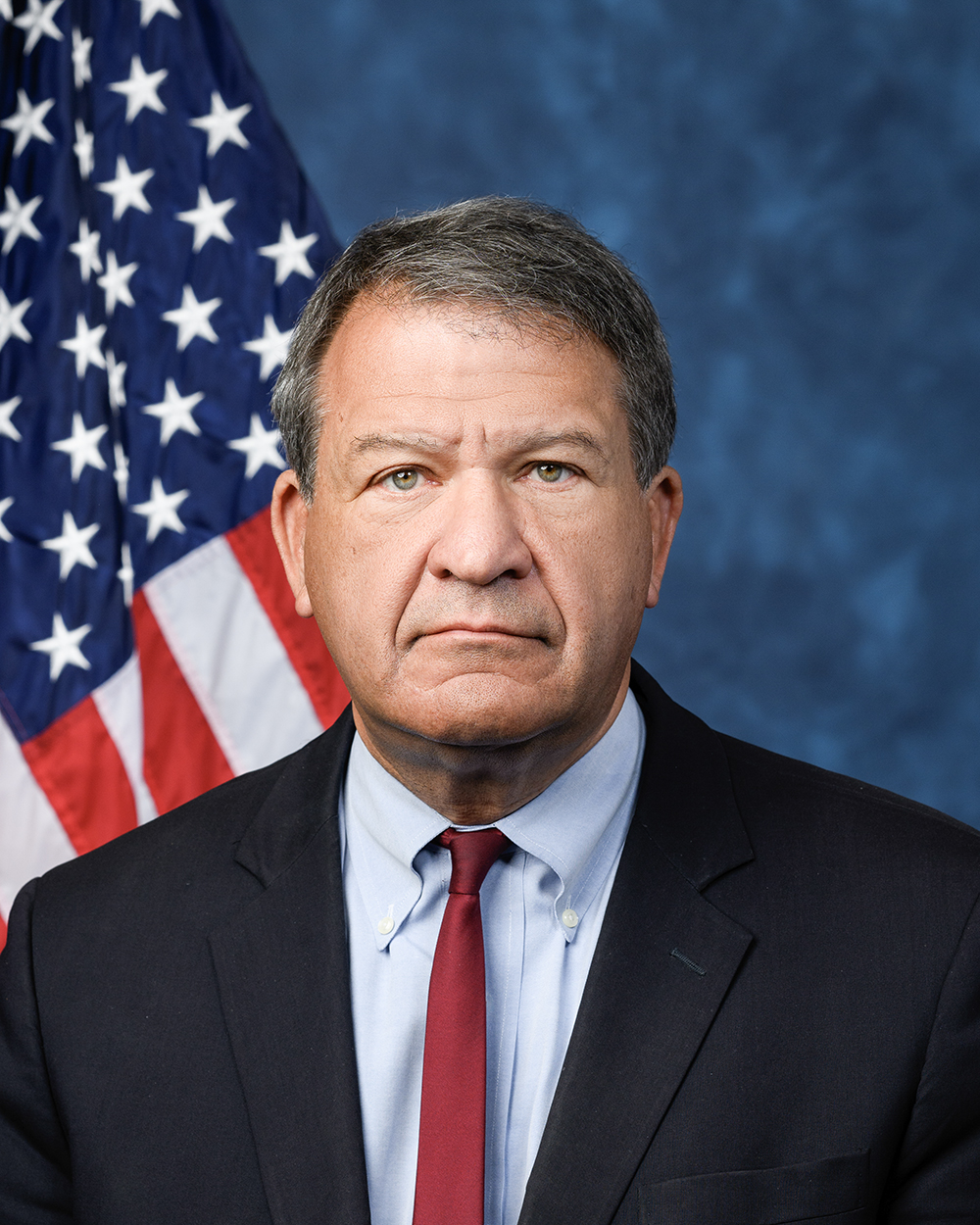
George Latimer
George Latimer House · District 16
D
Strong −
14% 181
Gregory W. Meeks
Gregory W. Meeks House · District 5
D
Strong −
14% 181
Daniel S. Goldman
Daniel S. Goldman House · District 10
D
Strong −
16% 179
Adriano Espaillat
Adriano Espaillat House · District 13
D
Strong −
16% 186
Nydia M. Velázquez
Nydia M. Velázquez House · District 7
D
Strong −
17% 181
Showing 1–10 of 82 bills

All budget & taxes bills

in committee · United States · House Sep 10, 2026

HR 10330: Higher Education Oversight for Nonprofits Ensuring Standards and Transparency Act

This bill establishes new procedural safeguards for the Internal Revenue Service when conducting tax inquiries or examinations of universities, requiring high-level Treasury approval based on reasonable belief that a university may not qualify for tax-exempt status. It mandates that the IRS provide written notice to the institution before beginning an inquiry and at least 15 days before starting a formal examination, offering the university the opportunity to hold a conference to discuss concerns. The legislation imposes strict time limits, requiring inquiries to be completed within 90 days and examinations within two years, while also restricting the ability to re-examine a university for five years if no significant tax issues are found. Additionally, it requires the Secretary of the Treasury to submit confidential reports to congressional committees detailing any new university tax investigations.
in committee · United States · House Aug 3, 2026

HR 10039: SMART Savings Act of 2026

The SMART Savings Act of 2026 amends federal tax laws to exempt individual retirement accounts, such as IRAs and Keogh plans, from specific prohibited transaction rules that currently restrict how these accounts can be used for certain business activities. By removing these restrictions, the bill allows account holders to engage in transactions involving their retirement funds without triggering immediate penalties or disqualification, provided they do not engage in self-dealing. The legislation explicitly preserves existing prohibitions against self-dealing, ensuring that individuals cannot use their retirement assets for personal gain outside of defined relationship benefits. These changes apply to all transactions occurring after the date the act is enacted.
in committee · United States · House Jul 13, 2026

HR 9660: No Hostile ONLOOKERS Act

The No Hostile ONLOOKERS Act restricts intelligence agencies from funding research or technical support at National Laboratories if those facilities allow individuals from designated "countries of risk" to access their premises, information, or technology. This rule directly affects federal intelligence elements and the National Laboratories they fund, prohibiting the expenditure of money on projects where such access is permitted. The only exception to this ban is a specific waiver that an intelligence agency head can request from congressional committees, provided they certify that the project is not at risk of foreign intelligence collection and explain why the waiver is necessary. Essentially, the bill aims to prevent foreign adversaries from gaining access to sensitive U.S. scientific data and facilities through personnel associated with the intelligence community.
Sub-Topics Government Spending
in committee · United States · House Jul 22, 2026

HR 9720: D.C. Taxing Authority Review Act

This bill, known as the D.C. Taxing Authority Review Act, modifies the rules for how new taxes and fees proposed by the District of Columbia government are reviewed by Congress. It requires that any D.C. law imposing or increasing a tax or fee must receive explicit approval from a joint resolution passed by both the House of Representatives and the Senate within 60 days, or else the law will not take effect. Additionally, the bill limits the time for debating these specific approval resolutions to one hour, split evenly between supporters and opponents. These changes directly affect the District of Columbia government's ability to enact new financial measures without prior congressional consent.
in committee · United States · House Jun 25, 2026

HR 9487: No Goodwill for Harming Women Act

The No Goodwill for Harming Women Act prohibits sports franchise owners from using tax deductions to write off the value of their teams. This rule applies specifically to professional female sports leagues that allow male athletes to participate, based on the definition of sex as reproductive biology and genetics at birth. The bill requires the IRS to create regulations to verify which teams fall under this restriction, and the changes will only affect assets purchased after the law is enacted.
in committee · United States · Senate Jun 16, 2026

S 4791: A bill to abolish the Anti-Weaponization Fund, and for other purposes.

This bill abolishes the Anti-Weaponization Fund, a financial reserve created by the Attorney General during the Trump v. Internal Revenue Service legal case. It also declares an order issued on May 19, 2026, regarding the release of certain claims as invalid and without effect. The legislation directly impacts the Department of Justice by removing this specific fund and reversing the associated administrative directive.
in committee · United States · Senate Jun 16, 2026

S 4796: Stock Buyback Accountability Act of 2026

The Stock Buyback Accountability Act of 2026 raises the federal excise tax on corporate stock repurchases from 1 percent to 4 percent, directly affecting corporations that buy back their own shares. This change also modifies existing tax rules to exclude stock issued to high-income executives and employees earning over $1 million from the tax calculation. The new provisions apply to stock repurchases occurring after the law is enacted, with specific transition rules for partial-year transactions, while the adjustments to tax exemptions take effect for taxable years ending more than 90 days after enactment.
Sub-Topics Sales Tax
in committee · United States · House Jul 7, 2026

HR 9314: DHS Surveillance Technology Moratorium Act of 2026

The DHS Surveillance Technology Moratorium Act of 2026 temporarily halts the Department of Homeland Security from using funds to start, renew, or expand contracts for surveillance tools used in immigration enforcement, such as facial recognition and predictive analytics. This pause applies to agencies like U.S. Immigration and Customs Enforcement and Customs and Border Protection, though existing contracts can continue until a review is complete. The bill mandates an independent audit within 180 days to examine data collection practices, privacy impacts, and the accuracy of these technologies, followed by a public report detailing their use and capabilities. The funding ban remains in effect until the audit is finished, a public report is released, and the department demonstrates it has implemented necessary safeguards to protect civil liberties. Once these conditions are met, the moratorium lifts, but the department must submit annual reports on its continued use of these technologies and any related privacy complaints.
in committee · United States · House Jun 11, 2026

HR 9289: Keep Public Funds in Public Schools Act of 2026

The Keep Public Funds in Public Schools Act of 2026 eliminates a federal tax credit that allowed parents to deduct contributions to scholarship granting organizations from their income. By removing these specific tax breaks, the bill prevents the use of public tax dollars to support private school vouchers and scholarship programs. This change directly affects families who currently rely on these tax incentives to fund education outside the public school system. The provisions take effect for taxable years beginning after December 31, 2026.
in committee · United States · House May 20, 2026

HR 8921: Freedom from Taxes Act of 2026

The Freedom from Taxes Act of 2026 eliminates federal transfer and making taxes on firearms, which directly affects individuals buying or manufacturing guns. By setting these specific taxes to zero, the bill removes the $200 fee previously required when transferring or making certain firearms. The law also adds a time limit to a special tax, ensuring it no longer applies to years beginning after the bill takes effect. These changes would become active on the first day of the first calendar quarter starting more than 90 days after the legislation is signed into law.
Showing 1 to 10 of 82 bills
1 2 3 9 Next