

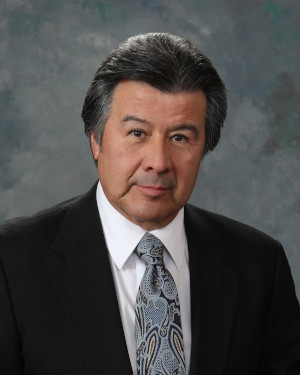
Maddy summarySB 86 allocates $625,000 from the state general fund to the Department of Finance and Administration for training and outreach services supporting New Mexico's soil and water conservation districts statewide. The funding, intended for fiscal year 2026, would cover contracted services to help these local districts manage land and water resources. The bill was postponed indefinitely on June 3, 2025, meaning it has not advanced to become law. This is a procedural funding measure, not a policy change affecting specific groups beyond the conservation districts receiving the services.
Sponsored bills
Maddy summarySB 495 would have established a dedicated nonreverting fund within New Mexico's state treasury to replace equipment at educational television and radio stations operated by state institutions of higher education and public schools. The Higher Education Department would have developed rules for distributing funds via department vouchers, ensuring future appropriations for this purpose wouldn't revert to the general fund without specific language. The bill passed both legislative chambers in March 2025 but received a pocket veto, meaning it did not become law. It directly affected public universities, community colleges, and public schools operating educational broadcast stations.
Maddy summaryHB 449 creates a state fund to finance major capital projects at New Mexico's public higher education institutions. It specifically funds projects costing $50 million or more for instruction/research at four-year universities and student housing/life projects at both two- and four-year schools. The bill requires institutions to provide matching funds (25-50% from non-state sources) and comply with space/design standards set by the Higher Education Department, with limited waivers available if institutions cannot afford matches. The bill passed the Senate but was pocket vetoed by the governor on April 14, 2025, meaning it did not become law.
Maddy summarySB 31 creates a zero-interest loan program for New Mexico local governments and electric cooperatives that received federal disaster funding from FEMA after a declared natural disaster. Borrowers must repay loans within 30 days using their FEMA funds, with penalties for late repayment, and must use the loans for recovery within a set timeframe. The program is funded through a new "Natural Disaster Revolving Fund," replenished annually with $150 million transfers from the state’s contingency fund and loan repayments. The state requires regular reporting to the legislature on loan amounts, repayments, and enforcement actions to ensure accountability.
Maddy summarySB 113 extends the operational deadlines for five New Mexico regulatory boards and commissions by delaying their sunset dates from 2025 to 2031. This allows the Board of Nursing Home Administrators, Board of Barbers and Cosmetologists, Board of Landscape Architects, Coal Surface Mining Commission, and Water Quality Control Commission to continue operating under existing laws until July 1, 2032. The bill specifically amends each board's governing statute to extend their termination date and postpones the repeal of their respective enabling acts until 2032. These changes directly affect the professionals regulated by these boards (such as nurses, cosmetologists, landscape architects, and mining operators) and the agencies managing their licensing. The bill does not alter the boards' current regulatory authority but provides a temporary extension of their operational period.
Maddy summaryHB 174 requires health insurance plans under New Mexico's Health Care Purchasing Act to reimburse community-based pharmacies for the full cost of prescription drugs (using either the national average drug acquisition cost or wholesale cost) plus a professional dispensing fee. It directly affects local pharmacies that serve the public, are not hospital-owned or part of out-of-state chains, and meet specific location criteria - excluding government, hospital, or mail-order pharmacies. The bill mandates that the dispensing fee must match the rate paid to pharmacies in New Mexico's Medicaid program. This law takes effect January 1, 2026, and aims to ensure fair reimbursement for community pharmacies providing prescription services.
Maddy summarySB 197 allows local emergency medical services (EMS) systems in New Mexico to access equipment funding through a streamlined process. It redirects money from the existing Emergency Medical Services Fund to the New Mexico Finance Authority, which can then make loans to purchase equipment for EMS improvement projects that already have approved funding. This change simplifies how local EMS providers obtain necessary equipment by using the Finance Authority as an intermediary instead of direct fund allocation. The bill does not create new funding but reallocates existing resources to support equipment purchases for projects that have already secured initial funding under the Emergency Medical Services Fund Act.
Maddy summarySJM 2 is a non-binding request to the Governor to appoint a task force to study the needs of New Mexico's frontier areas - unincorporated, sparsely populated regions often lacking access to basic services. The task force, including state agencies and community representatives, will assess current services and infrastructure, review relevant laws, and evaluate a community-operated infrastructure network model to improve service delivery through shared resources like water, internet, and transportation. It will specifically examine how to replace volunteer-dependent systems with paid staff and identify state funding or policy changes to support frontier communities. The task force must provide a final report by November 1, 2025, with recommendations for enhancing services in these areas.
Maddy summarySB 5 reforms New Mexico's wildlife management structure by renaming the State Game Commission to the State Wildlife Commission and the Department of Game and Fish to the Department of Wildlife. It establishes a new nominating committee for appointments, sets specific qualifications for commissioners (including a rancher, conservationist, hunter/angler, and scientist), and limits commissioners to two terms after 2027. The bill also requires fee adjustments for licenses to account for inflation and provides discounts for residents receiving SNAP benefits. These changes aim to modernize wildlife management governance while expanding conservation-focused representation.