

Maddy summaryHB 17 allows homeowners in New Mexico to build accessory dwelling units (ADUs), such as small apartments or cottages on the same property as a primary residence, in residential zoning districts. The bill requires local governments to permit at least one ADU per residential lot without imposing owner-occupancy rules, extra fees, or more than one parking space per unit. It also permits multifamily housing (like duplexes) in commercial districts and areas near public transit stops or rail stations. ADUs must be independent living units with separate entrances, cooking, and sanitation facilities, and cannot exceed 1,000 square feet in size. This law aims to increase housing options by streamlining the process for adding secondary units to existing properties.
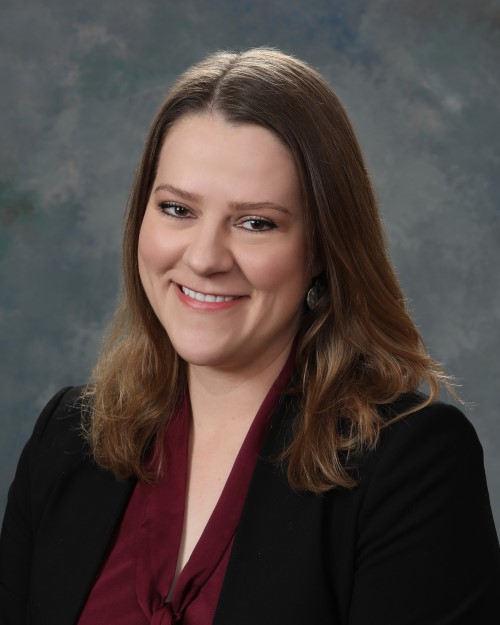
Sen. Heather Berghmans
Sponsored bills
Maddy summaryHB 49 increases penalties for felons who receive, transport, or possess firearms or destructive devices in New Mexico. It specifically raises the penalty for first-time felon firearm possession from a third-degree felony to a second-degree felony, and to a first-degree felony for repeat offenses. The bill applies directly to individuals convicted of felonies who have not completed their sentence, probation, or received a pardon within the past ten years. Key provisions clarify definitions of "serious violent felon" and "destructive device" while raising criminal charges for violations. This policy change aims to strengthen restrictions on firearm access for certain convicted individuals.
Maddy summaryHB 103 caps annual increases in residential property tax assessments at 103% of the prior year's value or 106.1% of the value from two years prior, whichever is higher. This limit does not apply if a property's zoning changed or if ownership transferred in the year before the tax year. The bill also requires counties with low property sales ratios to reassess properties to meet a minimum threshold before the cap applies. It takes effect for tax years beginning January 1, 2026.
Maddy summaryHB 110 requires New Mexico counties and municipalities with populations over 30,000 (classified as "Class A") to publish quarterly reports on housing development data starting July 1, 2026. The reports must include total residential permit applications, approvals/denials, processing times (from submission to completion and approval/denial), and permit issuance details for both single-family and multifamily projects. These reports must be posted on the local government website and submitted to the state Economic Development Department and Legislative Finance Committee. The bill aims to standardize housing data collection for transparency and analysis, directly affecting large local jurisdictions managing housing projects.
Maddy summarySB 189 requires all group health insurance plans in New Mexico (including employer self-insurance) to cover specific reproductive and gender-affirming care without deductibles, copays, or prior authorization. It mandates coverage for abortion care, gender-affirming care, contraception (including no cost-sharing for required services), and establishes a special enrollment period for pregnancy-related coverage. The bill applies to most plans but excludes high-deductible plans until the deductible is met and short-term/limited-benefit plans. This directly affects insurers and enrollees by removing financial barriers to these services under New Mexico's Health Care Purchasing Act.
Maddy summarySB 170 creates a tax credit for New Mexico taxpayers who donate money to licensed child care facilities serving children under 12. Individuals and businesses can claim a credit equal to their donation (up to $500,000 annually), reducing their state income tax bill or receiving a refund if the credit exceeds taxes owed. To qualify, donations must be monetary, go to facilities meeting state enrollment standards for child care subsidies, and be certified by the Early Childhood Education and Care Department. The total annual credit value across all taxpayers is capped at $10 million, with applications processed in order of receipt. This policy directly affects donors and licensed child care facilities, aiming to support child care access through tax incentives.
Maddy summarySB 151 adjusts New Mexico's corporate tax calculation to better align with federal rules for certain income types. It modifies the state's definition of "base income" by adding back specific federal deductions (like interest from state bonds) and subtracting amounts for bonus depreciation and interest expenses that the federal government allows. This bill directly affects corporations operating in New Mexico that file federal tax returns, particularly those with income from controlled foreign corporations. The key change ensures New Mexico's tax calculation accounts for federal adjustments related to foreign income and depreciation, while applying standard apportionment rules to attributed income.
Maddy summaryThe bill text for SB 264 contains no substantive provisions or policy language beyond its title and introductory header. The provided context only includes the bill's title ("PUBLIC PEACE, HEALTH, SAFETY & WELFARE"), sponsor names, and procedural history (e.g., committee substitutions and passage through the House). No specific mechanisms, affected groups, or policy changes are described in the text. Therefore, a factual summary of the bill's content cannot be generated from the available information.
Maddy summarySB 73 requires all approved driver education courses in New Mexico schools to include at least three hours of training on driving with vulnerable road users, such as pedestrians, cyclists, skateboarders, and wheelchair users. This directly affects driver education schools, instructors, and students in public and private secondary schools across the state. The bill amends existing laws to mandate this specific training component as part of minimum course standards. It defines "vulnerable road users" broadly to include anyone not protected by a vehicle's structure, like those on bikes, scooters, or walking. The policy change aims to improve road safety awareness through standardized curriculum updates.
Maddy summarySB 96 ensures registered and licensed child care homes (including family and group homes) are treated as standard residential uses under local zoning rules, meaning they cannot be charged extra fees, require special permits, or face stricter parking rules than other single-family homes in the same zone. Licensed child care centers are permitted "by right" in commercial, mixed-use, or multifamily residential zones without additional fees or building restrictions. The bill prohibits local governments from imposing unique regulations on child care facilities that don’t apply to other private residences and clarifies that homeowner associations cannot block or charge fees for child care operations. These provisions aim to reduce regulatory barriers for child care providers while maintaining consistent zoning standards.