

Maddy summaryHB 449 creates a state fund to finance major capital projects at New Mexico's public higher education institutions. It specifically funds projects costing $50 million or more for instruction/research at four-year universities and student housing/life projects at both two- and four-year schools. The bill requires institutions to provide matching funds (25-50% from non-state sources) and comply with space/design standards set by the Higher Education Department, with limited waivers available if institutions cannot afford matches. The bill passed the Senate but was pocket vetoed by the governor on April 14, 2025, meaning it did not become law.
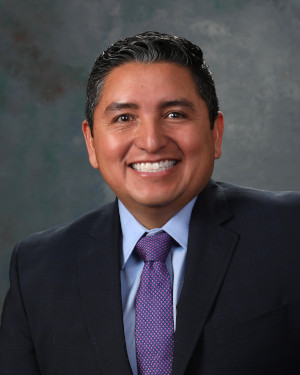
Rep. Derrick Lente
Sponsored bills
Maddy summaryHB 199 allows New Mexico's tax department to share aggregated taxpayer return information (without personally identifiable details) with the Legislative Finance Committee (LFC) staff. It enables the LFC to evaluate state or local government programs with fiscal impacts, such as budget proposals or policy initiatives. The bill requires the department and LFC to establish security protocols via a memorandum of understanding, limits shared data to aggregated figures (not individual returns), and mandates confidentiality safeguards. This change directly affects LFC staff and tax department employees, who must follow strict protocols when handling the information. The bill does not alter tax laws but creates a new, limited exception to taxpayer confidentiality for budget analysis.
Maddy summaryHB 450 authorizes New Mexico to issue severance tax bonds (funded by oil/gas taxes) for state capital projects like building construction, equipment purchases, or renovations. It requires agencies to certify fund needs by 2027 and spend 85% of bond proceeds within three years, with unspent funds reverting to the severance tax fund by 2029. The bill prohibits using bond funds for indirect costs and sets strict deadlines to ensure efficient spending, applying to projects such as emergency vehicles, heavy equipment, or educational technology.
Maddy summaryHB 14 replaces New Mexico's Working Families Tax Credit with a new Earned Income Tax Credit (EITC) mirroring the federal program. It directly affects low-income New Mexico residents who qualify for the federal EITC but may have been excluded due to identification or age requirements (e.g., 18-24 year olds), allowing them to claim the credit. The bill sets credit percentages based on the number of qualifying children (2.3% to 13.5%) and establishes income limits ($8,000-$15,200 earned income) and phaseout thresholds ($25,000-$35,200 adjusted gross income). It includes automatic inflation adjustments starting in 2026 and ensures refunds are not treated as taxable income.
Maddy summaryHB 218 updates New Mexico's tax code to remove outdated provisions and streamline processes. It allows taxpayers to file quarterly or semiannually (instead of annually) for certain taxes, simplifies refund claims by treating a completed return as a refund filing, and eliminates Attorney General approval for refunds over $20,000. The bill also aligns local government tax collection for redevelopment projects with "destination sourcing" (taxing where goods/services are consumed) and clarifies oil/gas tax rules. These changes directly affect taxpayers, businesses, and local governments managing redevelopment funds.
Maddy summaryThis House Memorial (HM 15) urges the U.S. Congress to support expanded federal compensation for people exposed to radiation through nuclear weapons testing or uranium mining. It specifically calls for backing Senate Bill 243, which aims to extend the deadline for claims and broaden eligibility under the existing Federal Radiation Exposure Compensation Act (RECA). The memorial highlights that current RECA rules exclude many affected individuals, including those working in uranium mining after 1972 or living downwind outside designated areas like Arizona and Utah. It directly concerns communities in New Mexico, the Navajo Nation, and other Western states impacted by historical nuclear activities.
Maddy summaryHB 308 removes the Middle Rio Grande Conservancy District (MRGCD) from New Mexico's Local Election Act, creating a separate election process for its board members. The bill eliminates standard requirements for absentee voting, election notices, and polling locations under the Local Election Act, instead establishing new rules for MRGCD elections. Key provisions include requiring election proclamations to be published in local newspapers 30 days before the first Tuesday after the first Monday in May, and mandating that qualified electors must own property within the MRGCD's benefited area to vote. This directly affects MRGCD voters (property owners in the district) and election administrators who now follow specific MRGCD procedures instead of standard local election rules. The bill became law on March 22, 2025.
Maddy summaryHouse Memorial 17 designates February 7, 2025, as "American Indian Day" in the New Mexico House of Representatives. This ceremonial memorial honors the contributions of New Mexico's 23 Native American nations, tribes, and pueblos to the state's cultural, economic, and historical heritage. It specifically recognizes milestones like Miguel Trujillo's 1948 voting rights victory and the Navajo code talkers' WWII service, while acknowledging current Native American legislators. As a symbolic resolution, it does not create new laws or policies but serves to commemorate Native American history and ongoing community contributions.