

Maddy summaryHB 225 prohibits New Mexico's Environmental Improvement Board (EIB) from creating or enforcing rules that would require vehicle manufacturers to produce or sell a specific percentage of zero-emission vehicles each year. The bill directly affects the EIB, preventing it from implementing such regulatory requirements, and indirectly impacts vehicle manufacturers who might otherwise have been subject to these rules. It blocks a mechanism for controlling emissions through mandated vehicle sales percentages, rather than creating new sales obligations. The legislation does not alter current vehicle sales standards or consumer choices but restricts a potential future regulatory path. This is a procedural bill focused on limiting regulatory authority, not on direct policy changes for consumers or manufacturers.
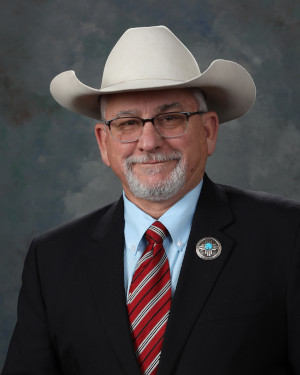
Rep. Randy Pettigrew
Sponsored bills
Maddy summaryHB 227 repeals New Mexico's Clean Transportation Fuel Standard Program and prohibits future adoption of rules requiring fuel providers to meet carbon intensity standards. It specifically removes references to "carbon intensity" from environmental law definitions and eliminates the department's duty to implement fuel standard rules. The bill directly affects fuel producers, refiners, and regulators who would have been subject to the 2024 program's requirements. This legislation eliminates existing regulatory obligations without creating new requirements or financial impacts.
Maddy summaryHB 224 expands New Mexico's tax deduction for unreimbursed medical expenses to apply to all taxpayers, regardless of income level - replacing previous income-based limits. It establishes tiered deduction rates (10%, 15%, or 25% of eligible medical costs) based on filing status and adjusted gross income, with lower-income taxpayers receiving higher percentages. Eligible expenses include doctor visits, prescriptions, medical insurance premiums, and other health care costs as defined in the bill. The law takes effect for tax years beginning January 1, 2026.
Maddy summaryHB 230 creates a permanent 12-member legislative committee (appointed by party leaders in both houses) to review state agency rules during legislative breaks. It requires agencies to provide cost analyses for rules exceeding $1 million in implementation costs and mandates the committee to assess rules' necessity, fiscal impact, and legal compliance before final adoption. The committee will issue written recommendations to agencies during the public comment period for proposed rules. This establishes a formal process for legislative oversight of regulations, affecting state agencies, businesses, and citizens impacted by rule changes.
Maddy summaryHB 265 creates a new "Taxpayer Dividend Income Tax Rebate Fund" to distribute excess state revenues as direct tax rebates to New Mexico residents. The fund receives money from two sources: (1) excess oil and gas tax revenues (previously allocated to early childhood education), and (2) excess federal mineral leasing funds. Eligible residents who file a New Mexico income tax return by May 31 receive a rebate equal to the fund's prior year balance divided by the total number of filers. The rebate reduces tax liability or is refunded if it exceeds the amount owed.
Maddy summaryHB 76 appropriates $10 million from the general fund to the New Mexico Health Care Authority for fiscal years 2027-2029 to fund alternative placements for youth in state custody. The bill directs funding toward developing services like residential treatment centers, crisis response teams, specialized foster care, and outpatient programs, aiming to replace group living (congregate care) with more tailored support. It directly affects youth in state custody - particularly older youth and those with higher needs - and the service providers who will deliver these alternatives. The funding expires in 2029, with unused balances reverting to the general fund.
Maddy summaryHB 260 would create a new fourth-degree felony for knowingly making a false statement to the legislature during a testimony request in a committee hearing about a specific issue. It applies to anyone testifying before a legislative committee on a matter they were asked to address, excluding public comments during designated public comment periods. The bill defines the offense as making an untrue statement the person knows to be false in such proceedings, with a legislator who heard the testimony able to refer the case to the district attorney for prosecution. This law directly affects witnesses testifying before committees on requested topics, not the general public during open comment times.
Maddy summaryHB 358 creates a 12-member "Interim Administrative Rule Oversight Committee" to review proposed state agency rules before public hearings. The committee, appointed equally from both parties in each chamber, analyzes rules for fiscal impact (requiring a statement for rules costing over $1 million), necessity, and legal compliance, then recommends changes to agencies. This directly affects executive agencies proposing rules and stakeholders impacted by those rules, adding a legislative review step before public comment periods. The bill amends New Mexico's State Rules Act to mandate fiscal impact statements for high-cost rules and establishes the committee's procedures.
Maddy summaryHB 359 amends New Mexico's perjury law to make knowingly giving false testimony during any legislative proceeding - including committee hearings - a fourth-degree felony, regardless of whether the statement was made under oath. It directly affects witnesses, including citizens and experts testifying before legislative committees, by expanding perjury liability to cover all false statements made in response to a legislative request for testimony. The bill excludes statements made by the public during designated comment periods at committee hearings. This change clarifies that false legislative testimony is punishable as perjury without requiring a formal oath.
Maddy summaryHB 327 would redefine "renewable energy" in New Mexico law to include natural gas power plants using combined cycle technology. It amends the Rural Electric Cooperative Act and Renewable Energy Act to allow these natural gas facilities to count toward renewable energy requirements for rural electric cooperatives and public utilities. The bill specifies that natural gas qualifies only under this definition, while excluding other fossil fuels, and requires facilities to meet zero life-cycle carbon emissions standards. This change would directly affect how utilities in New Mexico meet their renewable energy targets without altering the overall percentage requirements.