

Maddy summaryHB 352 reorganizes New Mexico's magistrate courts by closing certain local offices and consolidating operations in specific districts. It merges divisions in Grant (moving all operations to Silver City by 2027), relocates San Juan District courts from Farmington to Aztec (effective 2027), and adjusts locations for courts in McKinley, Santa Fe, Torrance, Dona Ana, and Lea counties. The bill changes where judges hold court sessions, modifies election districts for magistrate judges, and updates travel routes for judges serving satellite locations. These changes directly affect court operations and accessibility for residents in the affected counties.
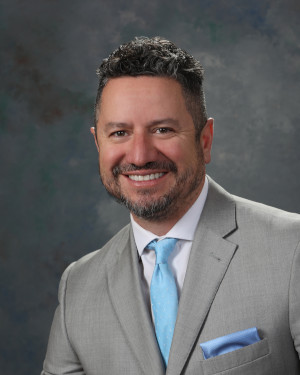
Rep. Joseph Sanchez
Sponsored bills
Maddy summarySB 31 creates a zero-interest loan program for New Mexico local governments and electric cooperatives that received federal disaster funding from FEMA after a declared natural disaster. Borrowers must repay loans within 30 days using their FEMA funds, with penalties for late repayment, and must use the loans for recovery within a set timeframe. The program is funded through a new "Natural Disaster Revolving Fund," replenished annually with $150 million transfers from the state’s contingency fund and loan repayments. The state requires regular reporting to the legislature on loan amounts, repayments, and enforcement actions to ensure accountability.
Maddy summaryHB 532 requires all New Mexico public school districts and charter schools to create or adopt written or digital water safety guidance for parents. This guidance must include information about local age-appropriate swimming lessons and safety around bodies of water and water infrastructure. Starting in the 2025-2026 school year, schools must provide this guidance to parents at student enrollment or no later than the tenth school day, either through handbooks or direct delivery with written acknowledgment. The bill directly affects school boards, charter school governing bodies, and parents of students in New Mexico public schools.
Maddy summaryHB 6 requires contractors working on municipal or county projects funded by industrial revenue bonds to pay workers the local prevailing wage and benefits, directly affecting construction workers on these projects over $60,000. It mandates that wage rates be based on collective bargaining agreements for similar work in the area, with the director determining rates annually by October 1. The law requires contractors to post wage rates publicly, withhold payments if underpaid, and allows workers to file complaints for unpaid wages, with investigations completed within 75 days. This amendment to New Mexico’s Public Works Minimum Wage Act ensures fair pay standards for workers on publicly funded construction projects.
Maddy summaryHB 113 creates a state Animal Welfare Program to fund projects supporting domestic cats and dogs, with grants available to municipalities, counties, or nonprofit organizations. It establishes an Animal Welfare Trust Fund (funded by a $10 million one-time transfer from the General Fund) that distributes 5% annually to an Animal Welfare Program Fund, which awards competitive grants for specific initiatives like spay/neuter services, shelter improvements, cruelty enforcement, and low-income household support (income ≤200% of federal poverty level). Projects must address animal welfare needs such as reducing shelter intake, controlling strays, or providing emergency veterinary care. The program requires annual reporting to the legislature on funded projects, unmet requests, and administrative costs, starting October 1, 2028.
Maddy summaryThis bill clarifies exemptions from engineering licensure requirements in New Mexico. It allows licensed architects to perform limited engineering work incidentally (without claiming engineering expertise), provided they don't represent themselves as engineers and only handle work within their qualifications. It also exempts engineers employed by a business from licensure when their work is limited to the employer's own property and not offered to the public. The law, signed in April 2025, updates existing rules to define these exemptions more precisely.
Maddy summaryHB 197 expands New Mexico's "Silver Alert" system to include missing persons of any age showing signs of cognitive decline or impairment, not just those with Alzheimer's or dementia. This change directly affects law enforcement and families reporting missing adults who may have conditions like dementia, brain injuries, or other cognitive issues, regardless of age. The key mechanism updates the legal definition in the Missing Persons Information and Reporting Act to trigger alerts when a reporter believes an individual displays symptoms of cognitive decline. This makes the alert system more inclusive for vulnerable adults beyond the current age-based or dementia-specific criteria. The bill was signed into law after passing both legislative chambers in March 2025.
Maddy summaryThis House Memorial (HM 21) is a ceremonial resolution that commemorates New Mexico's acequia water-sharing systems. It declares February 11, 2025 as "Acequia Day" to honor the cultural, historical, and agricultural significance of acequias - centuries-old community water governance systems that support farming, seed preservation, and local economies across New Mexico. The resolution recognizes acequias' role in water management and their contributions to the state's heritage, directing copies to the New Mexico Acequia Association and Acequia Commission. As a purely symbolic measure with no new policies or funding, it does not create legal obligations or affect specific individuals.