

Maddy summaryHB 270 prohibits state agencies, local boards, and municipalities from adopting or enforcing rules that restrict vehicle sales or usage based on energy source (like banning electric vehicles), prohibit internal combustion engine vehicles, or mandate specific percentages of zero-emission vehicles. It directly affects environmental regulators and local governments managing air quality enforcement under New Mexico’s Air Quality Control Act. The bill blocks requirements such as banning gas-powered cars, forcing dealers to sell a certain share of electric vehicles, or limiting vehicle choices by fuel type. The bill passed committee review but was postponed indefinitely on June 3, 2025, and remains inactive.
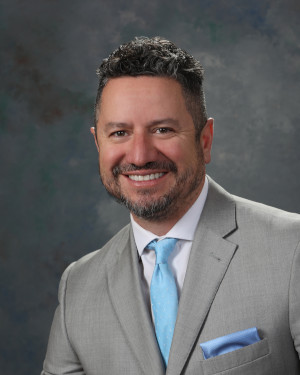
Rep. Joseph Sanchez
Sponsored bills
Maddy summaryHB 249 amends New Mexico's unemployment law to allow the Secretary of Workforce Solutions to waive the standard one-week waiting period for benefits during declared federal or state emergencies or disasters. This change would directly help unemployed workers who lose jobs due to events like wildfires, floods, or other declared emergencies by enabling faster access to benefits. The bill modifies Section 51-1-5(4) of the unemployment code to give the Secretary authority to eliminate the waiting week requirement when emergencies are officially recognized. It does not alter other eligibility rules but streamlines benefit access during crisis situations.
Maddy summarySB 143 creates a dedicated "utility oversight fund" in New Mexico's state treasury, funded by fees collected from utilities (like electric, gas, and water providers) operating within the state. The bill increases the annual inspection fee from 0.59% to 0.6% of utilities' New Mexico gross receipts and directs all related fees, late interest (15% annually), and penalties (2% for late payments) into this new fund, which cannot be used for other state purposes. The Public Regulation Commission will manage the fund, using it to support its oversight duties under the Public Utility Act, with disbursements requiring legislative appropriation.
Maddy summaryHB 239 allocates $100,000 from the general fund to the New Mexico Cultural Affairs Department to partner with the Higher Education Department on a feasibility study for a lowrider museum in Española. The study must be completed by 2027, with any unspent funds reverting to the general fund. This bill does not establish the museum but assesses its potential viability, focusing on factors like costs, community interest, and operational needs. The funding is specifically limited to the study phase, not construction or operation of the museum.
Maddy summarySB 208 increases the annual transfer from New Mexico's Irrigation Works Construction Fund to the Acequia and Community Ditch Infrastructure Fund, doubling the amount from $2.5 million to $5 million per year. This change directly affects acequias (traditional community irrigation systems) and local ditch associations that manage water infrastructure in rural New Mexico. The bill amends existing law to redirect these funds annually starting July 1, 2025, to support maintenance and improvements of irrigation infrastructure. The transfer mechanism is a straightforward reallocation of existing state funds without creating new programs or requirements.
Maddy summaryThis bill increases penalties for people convicted of possessing firearms if they are felons or serious violent felons. It sets a minimum 9-year prison sentence for felons found with firearms and a minimum 12-year sentence for serious violent felons. Convicted individuals under this law also cannot earn reduced sentences through good behavior (earned meritorious deductions). The bill directly affects those with prior felony convictions who possess firearms, including people convicted of specific violent crimes or domestic violence offenses.
Maddy summaryHB 309 creates a streamlined process for property owners to remove individuals unlawfully occupying their residential properties. To use this process, owners or agents must submit a verified complaint form to local law enforcement confirming the occupant entered without permission, isn't a tenant or family member, and has been asked to leave. Law enforcement must then serve a notice to vacate (via hand delivery or posting) and may assist with securing the property while owners change locks. The bill also allows wrongly removed occupants to sue for damages and specifies that the process applies only to trespassers, not to tenants under lease agreements or family members.
Maddy summaryHB 405, the "Volunteer Firefighter Service and Training Job Retention Act," requires New Mexico employers to provide eligible volunteer firefighters with up to 112 hours annually for training (with 30 days' notice) and for emergency service calls (with notification and documentation). It directly affects employees who volunteer at state-certified fire departments, ensuring they can attend training or respond to emergencies without losing job protections. The law prohibits employers from terminating, demoting, or reducing leave/seniority accruals for using these leave days. Currently, the bill was passed by the House but was postponed indefinitely in the Senate on June 3, 2025, delaying its effective date of July 1, 2025.
Maddy summaryHB 96 provides a temporary 2% annual payment on top of regular pension benefits for eligible retired members of New Mexico's Public Employees Retirement Act (PERA) during fiscal years 2026 and 2027. This non-compounding payment applies to retirees who have met specific eligibility criteria, such as having retired for at least two full years prior to the adjustment date. The bill appropriates $66 million from the general fund to cover these payments, which are calculated as 2% of each retiree's current pension amount (including prior adjustments). It does not affect current cost-of-living adjustments but adds this temporary benefit for qualifying retirees during the specified two-year period.
Maddy summaryHB 317 proposes a $2.5 million appropriation from the general fund to the Aging and Long-Term Services Department for fiscal year 2026 and beyond, specifically to increase reimbursements paid to organizations providing services to seniors through New Mexico's aging network. The bill ensures any unspent funds from this allocation will not revert to the general fund, creating a permanent funding commitment for these providers. This direct funding change affects community-based service providers who support older adults, aiming to improve their financial stability without altering eligibility or service requirements.