

Maddy summaryHB 65 creates a three-year pilot program in seven New Mexico counties (Dona Ana, Chaves, San Juan, McKinley, Bernalillo, Santa Fe, and Eddy) to improve stability for children in state custody. It provides in-home or home-like placements with enhanced services - including 24-hour crisis support, weekly therapy, parent training, and monthly family sessions - to reduce placement disruptions. The program prioritizes children with frequent placement history, behavioral health needs, or risk of disruption, and includes specialized incentives for foster homes caring for adolescents, siblings, or those needing short-term stabilization. The state appropriates $2.5 million to fund the program through fiscal year 2029, requiring collaboration between the Children, Youth and Families Department and Health Care Authority.
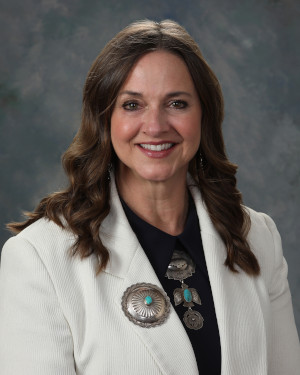
Rep. Rebecca Dow
Sponsored bills
Maddy summaryHB 76 appropriates $10 million from the general fund to the New Mexico Health Care Authority for fiscal years 2027-2029 to fund alternative placements for youth in state custody. The bill directs funding toward developing services like residential treatment centers, crisis response teams, specialized foster care, and outpatient programs, aiming to replace group living (congregate care) with more tailored support. It directly affects youth in state custody - particularly older youth and those with higher needs - and the service providers who will deliver these alternatives. The funding expires in 2029, with unused balances reverting to the general fund.
Maddy summaryHB 264 creates new tax deductions for New Mexico taxpayers earning tips (based on federal Section 224), overtime pay (federal Section 225), and Social Security income (federal Section 151). It replaces the Working Families Tax Credit with a state Earned Income Tax Credit (EITC) modeled after federal rules, adds a new Foster Parent and Guardian Income Tax Credit, and expands the medical expense deduction to apply to taxpayers of all income levels. The bill also extends tax deductions for healthcare practitioners to include patient coinsurance payments. These provisions directly affect low-to-moderate income earners, tip-based workers, retirees, and foster care providers by modifying how their income is taxed under New Mexico law.
Maddy summaryHB 177 allocates $150,000 from the general fund to New Mexico's Veterans' Services Department to support veterans who need temporary separation from their service or companion animals for housing, medical care, or homelessness services. The bill funds contracted animal boarding, veterinary care, kennel facilities at veteran housing sites, and pet food to prevent veterans from losing access to essential services due to animal separation. This funding is available for fiscal years 2026 and 2027, with any unspent balance reverting to the general fund. The policy directly affects veterans requiring shelter, housing, or medical care that would otherwise require parting with their service animals.
Maddy summaryHB 96 creates a temporary working group to study the feasibility of establishing a state space commission in New Mexico. The group, appointed by the governor, lieutenant governor, and legislative leaders with aerospace expertise, must develop recommendations on the commission's structure, scope, and board design by October 1, 2026. It will identify key aerospace stakeholders, outline a strategic plan including workforce pathways, and propose a budget framework. The working group will report findings to the economic development committee, with $200,000 allocated for its administrative support. This bill does not create a commission but sets the process for evaluating one.
Maddy summaryHouse Memorial 59 requests the New Mexico Children, Youth and Families Department to study fair compensation for foster parents, including a cost-of-living allowance. The study will examine personal expenses foster parents incur while caring for children in state custody and determine appropriate compensation levels. The department must report findings and recommendations to the legislative health and human services committee by November 30, 2026. This memorial does not change current compensation but initiates a formal review process.
Maddy summaryHouse Memorial 21 designates January 30, 2026, as "New Mexico Food and Farms Day" to honor individuals and organizations advancing local food systems and farm-to-table initiatives across the state. It specifically recognizes 2026 award recipients, including farmers' markets, sustainable food centers, young farmers, and land stewards, for their contributions to community food access and economic resilience. As a symbolic resolution, it does not create new laws or funding but serves as a formal acknowledgment of efforts to strengthen New Mexico's food system and end hunger.
Maddy summaryHB 108 allows watershed districts in New Mexico to request soil and water conservation districts to levy property taxes for district operations. Specifically, watershed districts can ask the local soil conservation district board to impose an annual tax (capped at $5 per $1,000 of property value) to fund administration, construction, and maintenance of watershed projects. This bill clarifies the appointment process for watershed district boards, ensuring representation from soil conservation districts that hold minority land within the watershed area. It directly affects watershed districts, soil conservation districts, and property owners within those districts who may be subject to the requested taxes. The key change is creating a formal mechanism for watershed districts to secure dedicated funding through local property tax levies.
Maddy summaryHouse Memorial 25 is a symbolic resolution honoring victims of violent crime and their families in New Mexico. It expresses the state's solidarity with these individuals, recognizes the impact of violent crime on families and communities, and directs that a copy be transmitted to the Crime Victims Reparation Commission chair. This memorial does not create new laws or policies but serves as a formal statement of recognition.
Maddy summaryHB 341 requires New Mexico's Children, Youth and Families Department (CYFD) to issue identification cards to licensed foster parents who provide care for children in CYFD custody. The bill applies directly to foster parents with full, non-provisional licenses, providing them a physical card to verify their status as licensed providers during care. The key provision mandates CYFD to issue these cards upon full licensure, creating a standardized identification method. The bill passed committee review in February 2025 but was postponed indefinitely on June 3, 2025.