

Maddy summaryHB 94 sets maximum class sizes for kindergarten through third grade in New Mexico public schools. School districts must include specific class load data in their annual budget plans and obtain special approval for temporary waivers exceeding these limits. The bill requires districts to report how funds are used to maintain these class size requirements, including details on instructional staffing and resource allocation. It directly affects K-3 public school districts and their budget planning processes.
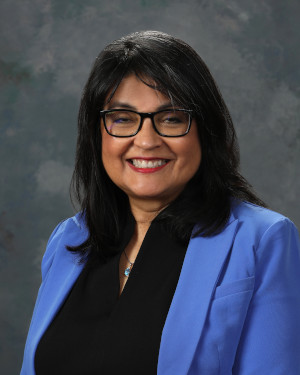
Rep. Diane Torres-Velásquez
Sponsored bills
Maddy summaryHB 153, the "Protect Reporters from Exploitative State Spying Act," prevents New Mexico state entities from forcing journalists or their service providers to disclose protected information without court approval. It specifically bars compelled disclosure of sources, notes, or communications related to journalism unless a court finds, by preponderance of evidence, that disclosure is necessary to prevent terrorism or imminent violence threatening serious harm. The law requires courts to notify journalists before granting disclosure orders (with limited 45-day delays for urgent investigations) and mandates that any compelled information be narrowly tailored and relevant. It directly affects journalists, their personal devices/accounts, and service providers like telecom companies, while explicitly allowing investigations into journalists suspected of crimes unrelated to their work.
Maddy summaryHB 467 requires New Mexico public schools to update discipline policies to prohibit unequal treatment based on race, religion, cultural expression (including protective hairstyles and religious headwear), disability, or home language. It mandates schools to provide an online portal for reporting racially motivated incidents (with privacy protections), ban corporal punishment, and allow students to self-administer prescribed asthma/anaphylaxis medication under specific conditions. The bill also revises bilingual education program requirements to prioritize home language use in instruction, require culturally specific teacher training, and establish parent advisory committees. These changes directly affect all public K-12 schools and students in New Mexico, aiming to create safer, more inclusive learning environments.
Maddy summaryHB 465 strengthens protections for New Mexico nurses who refuse unsafe assignments or medically unreasonable orders under the "safe harbor" provision. It requires healthcare facilities to create written processes allowing nurses to formally invoke safe harbor (with supervisor notification and documented reasons), conduct post-occurrence reviews involving other nurses, and prohibits retaliation like demotions, termination, or reporting to nursing boards for good-faith requests. The bill directly affects nurses facing unsafe work conditions and their healthcare employers, mandating specific procedural safeguards. It explicitly bans facility retaliation against nurses who use safe harbor, ensuring they can raise safety concerns without professional consequences. The law focuses on concrete policy changes to protect patient safety and nurse autonomy.
Maddy summaryHB 490 requires New Mexico public schools to revise discipline policies to prohibit discrimination or disparate treatment based on race, religion, culture, disability, home language, gender, income level, or specific hairstyles (like braids or locs) and religious headwear (like hijabs). It mandates that schools develop policies with parent and student input, ban corporal punishment, and create a confidential online portal for reporting racially motivated incidents. The bill also allows students to self-administer prescribed asthma or anaphylaxis medication under specific safety conditions, with schools required to provide backup medication. The bill was referred to committees but was postponed indefinitely on June 3, 2025.
Maddy summarySB 153 creates a new crime called "home invasion" for unlawful entry into a dwelling while an occupant is present, with intent to commit a felony or theft. It specifically targets intruders who are armed with a deadly weapon, become armed after entering, or commit threatening acts causing reasonable fear of immediate harm. The bill amends existing aggravated burglary law by removing "dwelling" as a specific category, meaning aggravated burglary now applies to vehicles, watercraft, aircraft, or other structures (not just homes). This law directly affects individuals entering homes unlawfully and will guide prosecutors and courts in classifying such offenses as a second-degree felony.
Maddy summarySB 26 renames New Mexico's "Family Violence Protection Act" to the "Protection Against Abuse and Violence Act" to better reflect its scope. The bill clarifies key definitions and specifies that courts must follow a clear standard when issuing orders of protection, which are court orders designed to protect individuals from abuse. It also amends and repeals specific sections of state law to modernize the legal framework for these protections. These changes aim to make the law more precise and accessible for victims seeking safety.
Maddy summarySB 12 allows out-of-state health care providers without a New Mexico telehealth license to offer second opinions and treatment consultations to New Mexico patients. It specifically permits these services for patients who would travel to the provider's state for treatment, without requiring the provider to obtain a New Mexico license. The bill expands the list of eligible health care professionals who can provide telehealth services, adding roles like nutritionists, psychologists, and community health representatives. This change directly affects New Mexico patients seeking specialized care and out-of-state providers looking to serve them remotely.
Maddy summaryHB 397 appropriates $2 million from the general fund to the New Mexico Higher Education Department for stipends to undergraduate and graduate behavioral health students. It directly affects students completing required training, supervision, or practical experience needed to obtain professional licensure in behavioral health fields. The stipends are funded for fiscal year 2026 only, with any unspent funds reverting to the general fund. The bill was referred to committees and later postponed indefinitely on June 3, 2025.
Maddy summaryHB 110 would establish New Mexico's participation in the Interstate Teacher Mobility Compact, a multi-state agreement designed to simplify teacher licensure for educators moving between member states. Under the compact, teachers with a full, unrestricted teaching license (an "unencumbered license") from another participating state would typically receive an equivalent license in New Mexico without needing to retake exams or complete additional training. The bill specifically includes provisions to expedite licensure for military spouses relocating due to military orders, aiming to reduce barriers for this group while enabling states to share disciplinary and licensure information.