

Maddy summaryHB 11 creates the "Audiology and Speech-Language Pathology Interstate Compact" to allow licensed professionals in these fields to practice across participating states without obtaining new licenses. The bill directly affects audiologists and speech-language pathologists who wish to serve patients in other member states, as well as patients seeking these services. Key provisions include mutual recognition of licenses, requirements for criminal background checks during application, and provisions enabling telehealth services to improve access. The compact preserves each state’s regulatory authority while streamlining cross-state practice, particularly benefiting military families and remote patients. (Note: The bill passed the House but was replaced by a committee substitute; this summary reflects the original bill’s intended purpose.)
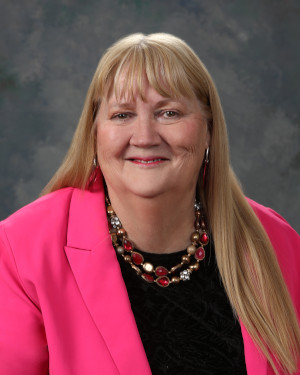
Rep. Liz Thomson
Sponsored bills
Maddy summaryHB 13 creates the Occupational Therapy Licensure Compact, allowing occupational therapists and assistants licensed in one participating state to practice in other member states without obtaining a new license. It directly affects licensed therapists seeking to work across state lines, patients accessing services in different states, and military spouses relocating with their partners. Key mechanisms include establishing "compact privilege" for interstate practice, requiring states to share disciplinary and investigative information through a national data system, and supporting telehealth delivery of services. The bill aims to improve access to occupational therapy while maintaining each state's authority to protect public health and safety through existing licensure standards.
Maddy summaryHB 14 creates the "Dentist and Dental Hygienist Compact" to allow licensed dentists and dental hygienists from New Mexico to practice in other participating states without obtaining separate licenses. It establishes a "compact privilege" that eliminates duplicate licensing requirements, directly affecting dental professionals seeking to work across state lines, including military personnel and their families. Key provisions include standardized background checks, shared disciplinary information between states, and requirements for practitioners to follow each state's scope of practice rules. The bill aims to improve access to dental services in underserved areas and streamline workforce mobility while maintaining state regulatory authority.
Maddy summaryHB 10 establishes the Physician Assistant Licensure Interstate Compact, allowing physician assistants (PAs) licensed in one participating state to practice in other participating states without needing separate licenses. It requires states to mutually recognize PAs' licenses and mandates that PAs practice under the jurisdiction of the state where the patient is located at the time of care. The compact specifically benefits military families by enabling active-duty personnel and their spouses to use their home state license in other participating states, while states retain authority to take disciplinary action against PAs for safety concerns. This eliminates licensing barriers for PAs working across state lines while maintaining patient safety standards.
Maddy summaryHB 12 establishes New Mexico's participation in the Physical Therapy Licensure Compact, allowing physical therapists licensed in one participating state to practice in New Mexico without obtaining a separate license. The bill requires states to share disciplinary information, conduct federal background checks, and recognize licenses across member states, with practice always governed by the state where the patient is located. It directly affects physical therapists seeking to work across state lines, military spouses relocating with service members, and state licensing boards managing cross-jurisdictional practice. Key provisions include mutual license recognition, standardized criminal background checks, and mechanisms for states to share investigative data to protect public safety.
Maddy summaryHB 210 allocates $4.813 million from the general fund to the Health Care Authority for fiscal year 2027. It directly provides healthcare facilities (like hospitals and clinics) with subsidized subscriptions to New Mexico's state-designated Health Information Exchange (HIE), encouraging them to share patient health data electronically. The bill’s key mechanism is covering the cost of HIE subscriptions for participating facilities, aiming to improve data sharing across providers. Any unspent funds at year-end would revert to the general fund. This is a funding measure, not a policy change to patient care standards.
Maddy summaryHB 120 limits the use of physical restraint and seclusion in New Mexico public schools. It bans chemical, mechanical, prone restraint, and unsupervised seclusion, allowing physical restraint or seclusion only when a student poses imminent serious harm and less restrictive options fail. Schools must train staff in de-escalation and positive behavior strategies, document all restraint/seclusion use, and create safety plans with input from special education experts. The bill directly affects all public school students in New Mexico by restricting potentially harmful interventions and requiring staff to prioritize safer alternatives.
Maddy summaryHB 137 requires New Mexico retail pharmacies to maintain specific stock levels of buprenorphine (a medication used to treat opioid use disorder) based on their past dispensing rates. Pharmacies must calculate a minimum daily stock requirement every 30 days and keep at least three additional prescriptions (including both buprenorphine-only and combination products), with slightly lower requirements for community-based pharmacies. Wholesale drug distributors must report monthly to the state board any denials or delays in filling buprenorphine orders from pharmacies, including reasons for such actions. Violations could result in fines up to $2,500 for pharmacies and $10,000 for distributors, with the state health department using the data to publish biannual reports on access to buprenorphine.
Maddy summaryHB 151 extends the time for New Mexico residents to file civil lawsuits related to childhood sexual abuse. It sets the deadline as the later of the victim's 58th birthday or three years after first disclosing the abuse to a licensed medical or mental health provider. The bill also revives lawsuits barred by previous deadlines on or before July 1, 2026, allowing them to be filed by June 30, 2029. This change removes all other time limits for such cases, making the new deadline the sole applicable statute of limitations.
Maddy summaryHB 104 appropriates $8 million from the general fund to New Mexico's Department of Health for fiscal years 2027-2028 to support county and tribal health councils under the County and Tribal Health Councils Act. The bill specifically allocates $1 million to contract for services assisting the Department of Health in supporting these councils. Any unspent funds by the end of 2028 would revert to the general fund. This funding directly enables local health councils to operate and engage with state health initiatives.