

Issue · Healthcare
Healthcare
Every healthcare bill, vote, and legislator stance in New Mexico, automatically classified by Maddy, our AI policy reader.
Total bills
144
2026 Regular Session
Top supporter
Patty Lundstrom
100% support rate
Top opponent
Angelita Mejia
14% support rate
Ranked legislators
10
5 support · 5 oppose
Key legislators
Who's moving healthcare in New Mexico
| Legislator | Party | Stance | Support rate | Votes |
|---|---|---|---|---|
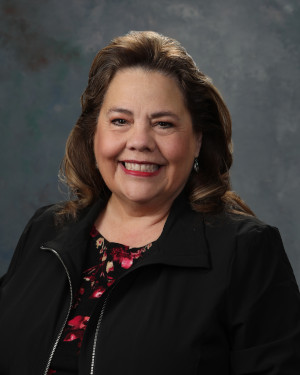
Patty Lundstrom
House · District 9
|
D |
Strong +
|
100% | 11 |

Angelica Rubio
House · District 35
|
D |
Strong +
|
100% | 10 |
|
DT
Diane Torres-Velásquez
House · District 30
|
D |
Strong +
|
86% | 15 |

Kristina Ortez
House · District 42
|
D |
Strong +
|
86% | 14 |
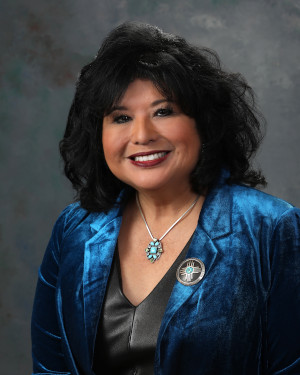
Doreen Gallegos
House · District 52
|
D |
Strong +
|
86% | 14 |
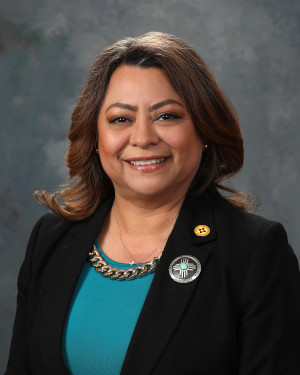
Angelita Mejia
House · District 58
|
R |
Strong −
|
14% | 15 |
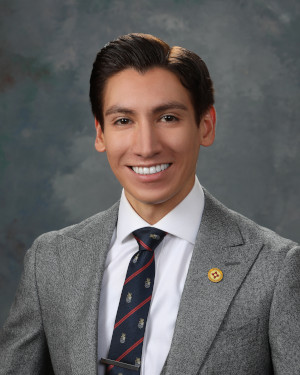
John Block
House · District 51
|
R |
Strong −
|
14% | 15 |
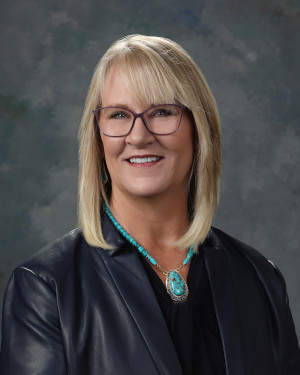
Gail Armstrong
House · District 49
|
R |
Strong −
|
17% | 14 |
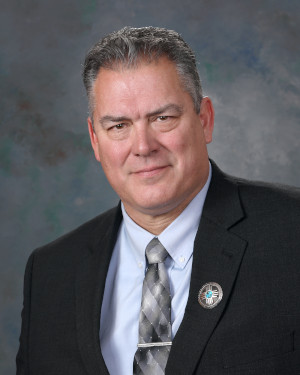
Brian Baca
House · District 8
|
R |
Strong −
|
17% | 14 |
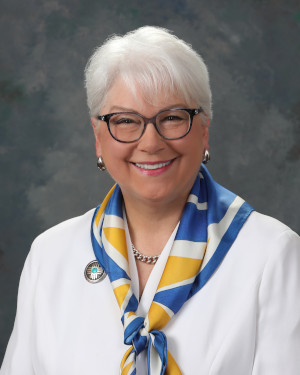
Cathrynn Brown
House · District 55
|
R |
Strong −
|
20% | 13 |
Showing 131–140 of 144
bills
All healthcare bills
HB 187: RURAL HOSPITAL MALPRACTICE LIABILITY INS. ACT
Topics
✓ Budget & TaxesSupports Budget & TaxesAppropriates $66M for rural hospital malpractice insurance grants, increasing public service funding under state budget authority.
✓ HealthcareSupports HealthcareFunds malpractice insurance for rural hospitals, ensuring continued access to care in underserved areas through direct state financial support.
SB 6: NEW SCHOOL OF MEDICINE FACILITY
Topics
✓ Budget & TaxesSupports Budget & TaxesAllocates $546.6M from general fund for UNM medical facility, increasing public service funding via budget appropriation.
✓ EducationSupports EducationFunds new medical school facility at UNM, directly supporting higher education infrastructure and institutional capacity within the education topic area.
✓ HealthcareSupports HealthcareAllocates $546.6M for UNM School of Medicine facility construction, directly funding healthcare infrastructure development.
SB 123: DEFIBRILLATORS IN SCHOOLS
Topics
✓ Budget & TaxesSupports Budget & TaxesAllocates $1.2M from state general fund for school AEDs, increasing public safety funding per fiscal management provisions.
✓ EducationSupports EducationAllocates $1.2M for school AEDs via Public Education Department, improving school safety infrastructure as part of education funding.
✓ HealthcareSupports HealthcareAllocates $1.2M for AEDs in schools (health facilities), directly funding emergency cardiac care infrastructure under HEALTH & HEALTH FACILITIES subject.
HB 83: PERSONAL CARE SERVICES MEDICAID REIMBURSEMENT
Topics
✓ Budget & TaxesSupports Budget & TaxesBill mandates 70% of Medicaid reimbursement funds go to direct care worker wages, ensuring proper public assistance funding allocation per program requirements.
✓ HealthcareSupports HealthcareSets minimum Medicaid reimbursement rates and mandates 70% spending on direct care worker costs, improving provider compensation and service quality.
✓ Labor & EmploymentSupports Labor & EmploymentSets minimum Medicaid reimbursement rates ($19.78-$23.50/hr) requiring 70% on direct care wages/benefits, advancing worker compensation.
HB 142: RURAL HEALTH CARE TAX CREDIT CHANGES
Topics
✓ Budget & TaxesSupports Budget & TaxesBill expands health care tax credit and increases maximum credit amount, providing greater tax relief for practitioners in underserved areas. Directly advances tax policy to incentivize health care access.
✓ HealthcareSupports HealthcareExpands tax credits for healthcare practitioners in underserved areas (rural/urban), increases credit amounts, and reduces hour requirements to improve access and incentivize service in critical locations.
Sub-Topics
Tax Credits
HB 257: VAGUS NERVE STIMULATION REIMBURSEMENT
Topics
✓ Budget & TaxesSupports Budget & TaxesAppropriates $370k from general fund for Medicaid provider reimbursement, funding essential healthcare services without tax changes.
✓ HealthcareSupports HealthcareBill allocates $370,000 for Medicaid reimbursement of vagus nerve stimulation, directly improving patient access to a specific therapy by ensuring provider reimbursement.
HB 209: FIREFIGHTER NO-COST CANCER SCREENING
Sub-Topics
Insurance
HB 151: CHILDHOOD SEXUAL ABUSE STATUTE OF LIMITATIONS
Topics
✓ Criminal JusticeSupports Criminal JusticeExtends civil statute of limitations for childhood sexual abuse victims, aligning with criminal justice reform by removing barriers to justice and protecting victim rights.
✓ HealthcareSupports HealthcareBill requires disclosure to licensed mental health providers to extend statute of limitations, directly linking healthcare access to legal protections for abuse victims.
Sub-Topics
Mental Health
HM 7: STUDY STATE GOV'T WORK WITHOUT BENEFITS
Sub-Topics
Insurance