Issue · Healthcare

Healthcare

Every healthcare bill, vote, and legislator stance in New Mexico, automatically classified by Maddy, our AI policy reader.

Total bills
144
2026 Regular Session
Top supporter
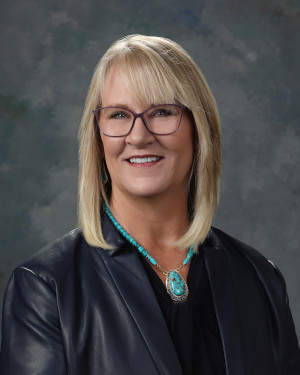
Patty Lundstrom
100% support rate
Top opponent
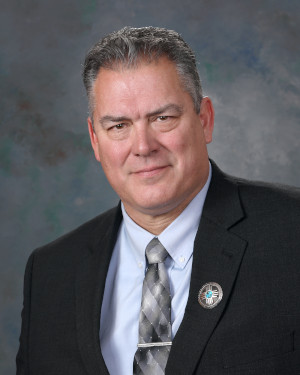
Angelita Mejia
14% support rate
Ranked legislators
10
5 support · 5 oppose
Key legislators

Who's moving healthcare in New Mexico

Legislators moving healthcare in New Mexico
Legislator Party Stance Support rate Votes
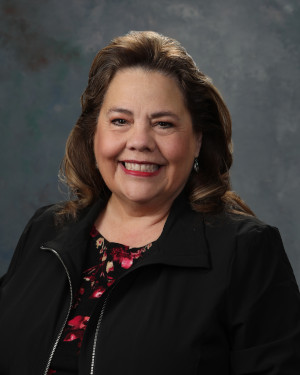
Patty Lundstrom
Patty Lundstrom House · District 9
D
Strong +
100% 11
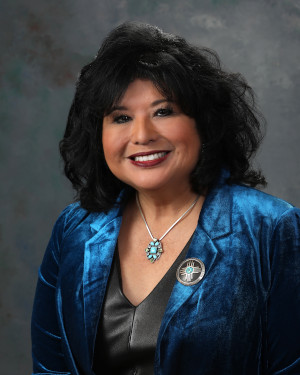
Angelica Rubio
Angelica Rubio House · District 35
D
Strong +
100% 10
DT
Diane Torres-Velásquez House · District 30
D
Strong +
86% 15
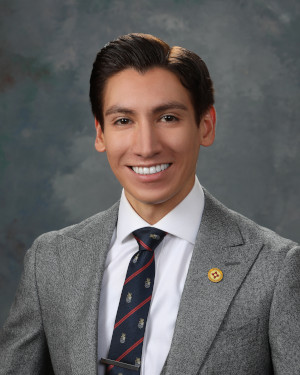
Kristina Ortez
Kristina Ortez House · District 42
D
Strong +
86% 14
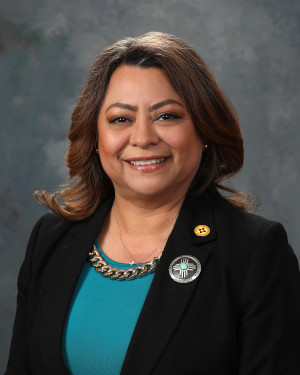
Doreen Gallegos
Doreen Gallegos House · District 52
D
Strong +
86% 14
Angelita Mejia
Angelita Mejia House · District 58
R
Strong −
14% 15
John Block
John Block House · District 51
R
Strong −
14% 15
Gail Armstrong
Gail Armstrong House · District 49
R
Strong −
17% 14
Brian Baca
Brian Baca House · District 8
R
Strong −
17% 14
Cathrynn Brown
Cathrynn Brown House · District 55
R
Strong −
20% 13
Showing 121–130 of 144 bills

All healthcare bills

in committee · New Mexico · House Mar 24, 2026

HB 94: BOARD OF OPTOMETRY POWERS AND DUTIES

HB 94 amends New Mexico's Optometry Act to expand optometrists' scope of practice regarding specific laser procedures and strengthen the Board of Optometry's authority. It directly affects optometrists seeking to perform laser treatments for eye conditions like capsular clouding or glaucoma (e.g., laser trabeculoplasty), requiring them to obtain board credentialing. Key provisions establish two pathways for credentialing: graduating from an accredited optometry program with a national exam pass, or completing a 32-hour accredited training course plus supervised live-patient practice under an ophthalmologist or certified optometrist. The bill also clarifies the Board's role in enforcing these rules, issuing advisory opinions, and managing licensure.
in committee · New Mexico · Senate Mar 24, 2026

SB 4: MEDICAL RESIDENT & FELLOW SALARIES

SB 4 appropriates $2 million from the general fund to the Health Care Authority for Medicaid-directed payments to the University of New Mexico Health Sciences Center. This funding directly increases salaries for graduate medical education residents and fellows at UNM. The bill specifies that unspent funds by the end of fiscal year 2027 must revert to the general fund. The measure focuses solely on providing state funding to support resident and fellow compensation through the Medicaid program.
Sub-Topics State Budget Medicaid
signed · New Mexico · Senate Mar 6, 2026

SB 3: COMMITMENT PROCEDURE CHANGES & DEFINITIONS

SB 3 clarifies key definitions in New Mexico's mental health laws, specifically adding precise criteria for "harm to self" and "harm to others" within the Mental Health and Developmental Disabilities Code. It defines "harm to self" to include both imminent suicide risk and an inability to meet basic needs (like food or safety) that would cause serious harm without treatment. Similarly, it defines "harm to others" as past violent behavior likely to recur, based on observable actions causing reasonable fear. These definitions directly affect courts, healthcare providers, and legal decisions regarding involuntary treatment commitments under the law.
Sub-Topics Mental Health
signed · New Mexico · House Feb 9, 2026

HB 50: SOCIAL WORK LICENSURE INTERSTATE COMPACT

HB 50 creates the Social Work Licensure Interstate Compact, allowing licensed social workers to practice across participating states without obtaining separate licenses. It establishes a "multistate license" system where a social worker's home state license authorizes practice in all compact states, using a shared data system to track licenses and any restrictions. To join, states must require national exams, meet education standards, and have complaint systems in place. The bill directly affects licensed social workers seeking to work in multiple states and their home state licensing authorities, streamlining practice across state lines while maintaining oversight.
Sub-Topics Medical Licensing
in committee · New Mexico · Senate Mar 24, 2026

SB 11: NURSE LOAN REPAYMENT ACT

SB 11, the Nurse Loan Repayment Act, creates a state fund to repay student loans for New Mexico nurses working in designated underserved areas or as nursing educators. It directly affects licensed registered nurses (RNs) and licensed practical nurses (LPNs) who commit to four years of service in areas identified by the state as lacking sufficient nursing staff. The program provides up to $35,000 in total loan repayment ($7,500 annually for two years and $10,000 for the next two), with payments made directly to lenders. Nurses must meet eligibility criteria (NM license, U.S. citizenship/permanent residency, and service in designated areas or as faculty/preceptors), and non-compliance requires repayment of the award plus 15% interest. The bill excludes state loan-for-service programs, scholarships, and personal loans from eligibility.
signed · New Mexico · House Mar 6, 2026

HB 66: HEALTH CARE PROFESSIONAL LOAN FUND CHANGES

HB 66 updates New Mexico's health professional loan repayment program. It creates a Health Professions Advisory Committee to select recipients of loan repayment awards, replacing the previous commission. The bill requires applicants to be licensed health professionals currently practicing in New Mexico or to agree to relocate and begin practice there. The Higher Education Department will determine award amounts and administer the program, with new criteria for selecting applicants and allowing fees if recipients breach their service agreements. This affects health professionals seeking repayment for education loans in exchange for practicing in the state.
died · New Mexico · Senate Mar 24, 2026

SB 42: TAOS PRIMARY HEALTH BUILDING

SB 42 allocates $10 million from the state general fund to construct, equip, and furnish a new primary health care building in Taos County, directly benefiting residents by expanding local health services. The funds must be spent between fiscal years 2027 and 2030, with any unspent balance reverting to the general fund by 2030. This is a funding bill focused on physical infrastructure, not policy changes.
Sub-Topics State Budget
in committee · New Mexico · Senate Mar 24, 2026

SB 7: INCREASE CLINICIAN FACULTY PAY

SB 7 allocates $20 million from the state general fund to the University of New Mexico's Health Sciences Center to increase pay for clinician faculty members. This funding is specifically for fiscal year 2027, with any unused portion reverting to the state general fund. The bill directly affects clinicians who hold faculty positions at UNM's health sciences programs, such as physicians and nurses teaching in medical or nursing education. The key provision is a one-time appropriation to address compensation, without creating new ongoing state obligations.
in committee · New Mexico · Senate Mar 24, 2026

SB 8: BEHAVIORAL HEALTH TRUST FUND

SB 8 authorizes a $650 million transfer from New Mexico's general fund to the Behavioral Health Trust Fund for fiscal year 2027. This funding directly supports the state's behavioral health services by replenishing the trust fund, which finances mental health and substance use disorder programs. The bill establishes a specific, one-time funding mechanism to bolster existing services without creating new programs or eligibility criteria. It affects all New Mexicans who access behavioral health care through state-funded programs, as the transfer aims to strengthen service availability and infrastructure.
in committee · New Mexico · Senate Mar 24, 2026

SB 13: HEALTH CARE GROSS RECEIPTS DEDUCTION

SB 13 extends and expands a tax deduction for healthcare providers in New Mexico. It postpones the sunset date for this deduction from 2028 to 2031 and adds coinsurance, copayments, and deductibles paid directly by patients to the list of deductible expenses. The bill affects licensed healthcare practitioners (like doctors, dentists, and therapists) and their associations who provide services through managed care organizations. These providers can now reduce their taxable income by deducting patient-paid portions of their fees, rather than just certain insurance payments. The change applies only to "commercial contract services" under managed care plans, not Medicare or Medicaid services.
Showing 121 to 130 of 144 bills
Previous 1 12 13 14 15 Next