Issue · Criminal Justice

Criminal Justice

Every criminal justice bill, vote, and legislator stance in New Mexico, automatically classified by Maddy, our AI policy reader.

Total bills
91
2026 Regular Session
Top supporter
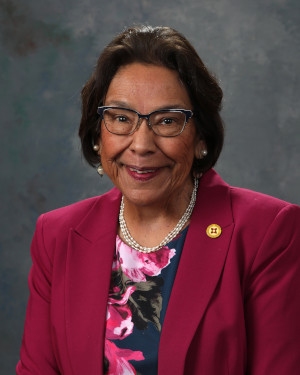
Eleanor Chávez
100% support rate
Top opponent
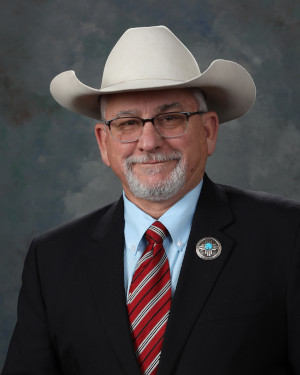
Brian Baca
0% support rate
Ranked legislators
10
5 support · 5 oppose
Key legislators

Who's moving criminal justice in New Mexico

Legislators moving criminal justice in New Mexico
Legislator Party Stance Support rate Votes
Eleanor Chávez
Eleanor Chávez House · District 26
D
Strong +
100% 16
Chris Chandler
Chris Chandler House · District 43
D
Strong +
100% 14
Linda Serrato
Linda Serrato House · District 45
D
Strong +
100% 15
Marianna Anaya
Marianna Anaya House · District 18
D
Strong +
100% 16
Pat Roybal Caballero
Pat Roybal Caballero House · District 13
D
Strong +
100% 13
Brian Baca
Brian Baca House · District 8
R
Strong −
0% 15
Randy Pettigrew
Randy Pettigrew House · District 61
R
Strong −
0% 15
Jimmy Mason
Jimmy Mason House · District 66
R
Strong −
0% 14
Angelita Mejia
Angelita Mejia House · District 58
R
Strong −
0% 16
Stefani Lord
Stefani Lord House · District 22
R
Strong −
0% 14
Showing 41–50 of 91 bills

All criminal justice bills

in committee · New Mexico · House Mar 24, 2026

HB 163: DENIAL OF BAIL FOR CERTAIN OFFENSES

HB 163 designates specific felony offenses, including murder, sexual assault, kidnapping, and firearm-related crimes, as "dangerous or violent" for bail hearings. For defendants charged with these offenses, the court must presume that releasing them would not protect the community, requiring the defendant to prove by more likely than not that they can be safely released. The bill lists 15 categories of offenses, such as first-degree murder, certain sexual penetrations, and aggravated assault on peace officers, directly affecting individuals charged with these crimes. It would take effect only after a constitutional amendment is approved by voters, which must be enacted to implement the bail presumption.
died · New Mexico · House Mar 24, 2026

HB 75: ALTERATION OF SENTENCE BASED ON CIRCUMSTANCES

HB 75 would allow New Mexico judges to reduce criminal sentences if they find strong evidence of mitigating circumstances (like personal hardship or rehabilitation efforts) during sentencing. It requires judges to use clear and convincing evidence for reductions, while limiting sentence increases to one-third of the original term (except for serious youthful offenders, who may get larger reductions). The bill also specifies that certain factors - such as prior convictions, hate crimes, or firearm use - cannot be used to justify harsher sentences. This directly affects defendants facing sentencing in New Mexico courts, particularly those with circumstances that could lead to a lower sentence under the proposed rule.
Sub-Topics Firearms Sentencing
died · New Mexico · House Mar 24, 2026

HB 73: SENTENCE DEFERMENT FOR REPEAT OFFENDER

HB 73 allows New Mexico courts to defer or suspend up to two-thirds of the basic sentence for defendants convicted of a second or third-degree felony who have prior felony convictions. It directly affects repeat felony offenders by giving judges flexibility to reduce sentence execution while still requiring consideration of mitigating or aggravating factors. The bill amends existing sentencing law to specify that courts may suspend no more than 66.7% of the sentence for these repeat offenders, without altering the full sentencing range. This change applies only to second or third-degree felony cases with prior felony convictions, not first-degree offenses or non-repeat offenders. The bill is currently pending in the House Judiciary Committee.
Sub-Topics Sentencing
in committee · New Mexico · House Mar 24, 2026

HB 105: CHILD OFFENDER COMMITMENT EXTENSIONS

HB 105 allows New Mexico courts to extend juvenile commitments or probation for delinquent children up to age 25, instead of the previous maximum age limits. This directly affects minors adjudicated delinquent under specific provisions of state law, particularly those found guilty of certain offenses (like those listed in Section 32A-2-3). The bill amends court procedures to grant judges discretion to set dispositions lasting until the child turns 25, rather than ending at age 21 or earlier. It does not change the types of dispositions (like short-term or long-term commitments) but expands the maximum duration for court-ordered supervision or placement. The bill is currently pre-filed and awaiting committee review.
passed · New Mexico · House Mar 24, 2026

HB 234: DEFINITION OF FENTANYL

HB 234 defines "fentanyl" to include specific analogs like para-bromofentanyl and para-fluoroacetyl fentanyl, expanding the scope of substances covered under trafficking laws. This directly affects individuals charged with fentanyl trafficking by clarifying which substances trigger enhanced sentencing penalties. The bill amends sentencing provisions to apply stricter prison terms (3-5 years) based on the quantity of fentanyl or its analogs possessed, or if the defendant recruited others to traffic. The definition change ensures these specific synthetic opioids are treated as fentanyl under existing criminal sentencing statutes.
died · New Mexico · House Mar 24, 2026

HB 125: DELINQUENCY ACT CHANGES

HB 125 amends New Mexico's juvenile justice laws by expanding the definitions of "delinquent act," "youthful offender," and "serious youthful offender" in the Delinquency Act and Criminal Sentencing Act. The bill adds specific offenses to the list of delinquent acts, including driving under the influence, alcohol and cannabis possession by minors, graffiti, and violating an order of protection. It also adjusts criteria for youthful offender status, such as including 14-year-olds convicted of first-degree murder and minors with three prior felony adjudications. These changes directly affect minors in New Mexico who commit these offenses, altering how their cases are classified under juvenile justice.
in committee · New Mexico · House Mar 24, 2026

HB 208: LAW ENFORCEMENT ID AND CONCEALING IDENTITY

HB 208 requires New Mexico law enforcement officers to display their name, rank, and agency on their uniform and provide identification upon request during public interactions. It prohibits officers from wearing face coverings that obscure their identity (except medical masks during health emergencies) and bans concealing their agency name while on duty. Exceptions apply for undercover operations, SWAT teams, and bomb disposal work. Violations are punishable as misdemeanors, with the law taking immediate effect due to an emergency declaration.
Sub-Topics Law Enforcement
signed · New Mexico · House Feb 7, 2026

HB 9: IMMIGRANT SAFETY ACT

HB 9, the Immigrant Safety Act, prohibits New Mexico state and local government entities - including sheriffs' departments, schools, and public agencies - from entering into agreements or using public property to detain individuals for federal immigration enforcement. It requires existing agreements facilitating such detentions to be terminated upon the law's effective date. The bill specifically bans public bodies from collaborating with federal immigration authorities on detention and ensures local policies align with these restrictions. Currently passed by both legislative chambers, it awaits the governor's signature to become law.
in committee · New Mexico · House Mar 24, 2026

HB 144: CRIME OF UNLAWFUL SQUATTING

HB 144 creates the crime of "unlawful squatting" in New Mexico, defined as entering and residing on someone else's property without permission for any period. It classifies this as a fourth-degree felony and requires property owners to prove unauthorized occupancy through a legal process involving affidavits and court hearings, rather than immediate removal. The bill also allows property owners to seek double the appraised value of damages caused by the squatter and gives alleged squatters three business days to contest a citation with proof like a lease or deed. This directly affects property owners facing unauthorized occupants and individuals accused of squatting, establishing a court-based system to resolve disputes over property rights.
Sub-Topics Courts
died · New Mexico · House Mar 24, 2026

HB 58: TELEPHONE CRIMES

HB 58 updates New Mexico's harassment law to cover modern digital communications, expanding the definition of "telephone" to include texts, social media posts, emails, and instant messages. It makes it illegal to use these platforms to send obscene, threatening, or harassing messages with intent to terrify or annoy, or to repeatedly disturb someone's peace through anonymous digital contact. Penalties range from a misdemeanor for first offenses to a fourth-degree felony for repeat violations. The law directly affects individuals who use digital means to harass others, aligning penalties with where the communication originated or was received.
Sub-Topics Social Media
Showing 41 to 50 of 91 bills
Previous 1 4 5 6 10 Next