

Maddy summaryThis bill designates the blueberry muffin as New Jersey's official State Muffin, following the state's existing designation of blueberries as its official fruit (since 2003). It has no regulatory or economic impact - it is purely ceremonial, recognizing the state's agricultural heritage with blueberries, which are grown in New Jersey and contribute significantly to the state's agricultural economy. The bill takes effect immediately upon enactment.
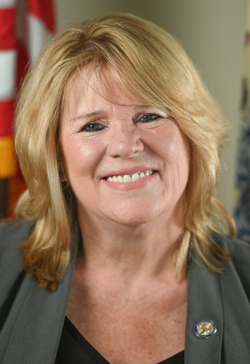
Asm. Carol Murphy
Sponsored bills
Maddy summaryThis bill establishes a New Jersey Department of Education grant program to fund school districts implementing therapy animal programs in wellness centers or counseling offices. School districts must apply with plans for using therapy animals to support student wellness, safety protocols for students/staff/animals, and other required details. The program selects two districts per region (south, central, north) annually, prioritizing urban, suburban, and rural representation, with grants covering teacher training fees for therapy animals. Participating districts must submit annual reports on program impacts, and the commissioner will report findings to the Governor and Legislature.
Maddy summaryThis joint resolution designates October 19th of each year as "Mike 'Doc' Emrick Day" in New Jersey. It honors Mike Emrick, the longtime New Jersey Devils play-by-play announcer who retired on October 19, 2020, recognizing his 21-year career with the team, his contributions to hockey broadcasting (including the NHL Pronunciation Guide), and his inductions into the U.S. Hockey Hall of Fame. The resolution requests the Governor issue an annual proclamation encouraging public observance of the day. As a commemorative measure with no policy or funding changes, it solely celebrates Emrick's legacy.
Maddy summaryThis bill (A4231) prohibits New Jersey's Department of Education from administering PARCC assessments - standardized tests developed by the Partnership for Assessment of Readiness for College and Careers - after the 2015-2016 school year. It requires the Commissioner of Education to create and implement a new statewide assessment program by the 2016-2017 school year, replacing PARCC with a system that includes graduation proficiency tests. The policy directly affects all New Jersey public school students and educators who would have used PARCC for testing. The bill mandates a complete transition away from PARCC assessments within one academic year. It does not address the content or quality of the new assessment system, only its implementation timeline.
Maddy summaryThis bill (A4213) creates civil remedies for New Jersey residents whose sexual or intimate images were recorded or disclosed without consent. It allows victims to sue offenders in court for damages, including a minimum of $1,000 per violation (up to $10,000 total), plus emotional distress damages, attorney fees, and punitive damages for reckless conduct. The law requires courts to handle cases confidentially using pseudonyms and prohibits using prior consent (like sharing images with a partner) as justification for later disclosure. Exceptions include disclosures made to law enforcement, for medical treatment, or in reporting unlawful conduct.
Maddy summaryThis bill requires New Jersey teaching hospitals that receive state Medicaid funding for medical training programs to prioritize applicants who are New Jersey residents or enrolled at state-supported medical schools (Cooper, Rowan, Rutgers NJMS, or Rutgers RWJMS) for residency, fellowship, and third/fourth-year clerkship positions. Hospitals failing to comply face a 20% reduction in their Medicaid funding for these programs. The law applies specifically to hospitals licensed under New Jersey's health regulations that accept state funding for graduate medical education. It aims to increase local training opportunities for New Jersey residents and students at public medical schools.
Maddy summaryThis bill requires New Jersey restaurants to provide a healthy beverage - such as water, low-fat milk, or 100% fruit juice (without added sweeteners) in an 8-ounce serving - as the default option with any meal specifically marketed for children. Restaurants may still offer other beverages (like soda) if requested, but the default must be a healthier choice to reduce children's consumption of sugary drinks. The law aims to address childhood obesity, which is linked to higher risks of diabetes, heart disease, and other health issues, by making nutritious options the automatic choice during dining out. It applies to all restaurants selling meals primarily intended for children and takes effect six months after enactment.
Maddy summaryAJR 122 designates the first full week of March each year as "Civic Learning Week" in New Jersey. It encourages schools and civic organizations to host educational programs about civic duty during this week and urges residents to reflect on their civic responsibilities. The bill requests the Governor issue an annual proclamation to recognize the week and promote community engagement activities. This is a symbolic resolution with no new legal requirements or funding.
Maddy summaryThis bill creates a dedicated "Civil Air Patrol Fund" within New Jersey's Department of Military and Veterans' Affairs. It requires the state to appropriate $100,000 annually from the General Fund to the fund, which can also receive federal grants and public donations. The money must support the New Jersey Wing of the Civil Air Patrol, specifically for programs like cadet STEM/aviation training, search and rescue readiness, disaster relief equipment (including a Redbird Simulator), and volunteer training. Unspent funds carry forward each year, making it a permanent funding source for these state-level Civil Air Patrol activities.
Maddy summaryThis bill (A4140) modifies how New Jersey calculates financial obligations for psychiatric facility care. It specifically excludes veterans' benefits (such as VA pensions or disability payments) from the income calculation used to determine a veteran's payment responsibility. Under current law, veterans' benefits were counted toward income when applying the sliding-scale fee for care; this bill removes that requirement. The change directly affects veterans receiving treatment in state psychiatric facilities who would otherwise have their benefits considered in determining their out-of-pocket costs.