

Maddy summaryThis bill requires new residential substance use disorder treatment facilities in New Jersey to undergo stricter licensing checks before opening. It mandates that applicants submit independent financial audits and complete criminal background checks for all owners and principals (those with 5%+ ownership), with licenses potentially denied for financial irregularities or certain convictions. The Department of Health must also conduct unannounced facility inspections and establish additional licensing standards. The bill applies directly to facilities seeking or holding licenses for residential substance use treatment services. It is currently pending in the Assembly Health Infrastructure Committee.
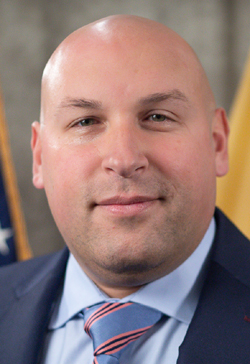
Asm. Mike Venezia
Sponsored bills
Maddy summaryThis bill amends New Jersey's solar incentive program (SREC-II) to increase the state's solar energy development goal from 3,750 megawatts to 6,500 megawatts and extend the target deadline from 2026 to 2035. It maintains the existing system where solar energy producers earn SREC-II certificates for each megawatt-hour generated, which can be sold to utilities to meet renewable energy requirements. The policy directly affects solar developers, property owners with solar installations, and utilities required to comply with renewable energy standards. The change aims to accelerate solar adoption by providing long-term certainty for projects through 2035.
Maddy summaryThis bill establishes a certification system for peer recovery specialists in New Jersey, who provide support to individuals with substance use or mental health challenges based on their personal lived experience. To practice, individuals must meet standards set by the Division of Consumer Affairs, including passing a background check, and cannot represent themselves as certified without approval. The law exempts existing support groups (like Alcoholics Anonymous), clergy, students in training, and licensed professionals (such as therapists) who don’t claim certification. It also prohibits conflicts of interest, like exploiting peer relationships for personal gain. The bill takes effect 13 months after enactment.
Maddy summaryThis bill prevents New Jersey's State Health Benefits Program (SHBP), School Employees' Health Benefits Program (SEHBP), and Medicaid from denying coverage for maintenance medications treating chronic conditions when a person's health plan or pharmacy provider changes. It requires coverage continuity if a patient was taking the medication before the plan change and the new plan covers that specific drug class. The law applies to state employees, school staff, and Medicaid recipients who rely on ongoing medication for conditions like diabetes or hypertension. It ensures these individuals won't lose access to essential medications due solely to administrative shifts in their health coverage plans.
Maddy summaryThis bill requires New Jersey's Department of Education to partner with a nonprofit to create a free, public online registry of tutors and tutoring organizations. It allows eligible participants - including certified teachers, retired educators, college students, industry professionals, and relevant organizations - to list their contact details, subject expertise, and availability without charging students for services. All registrants (except certified teachers with prior background checks) must undergo a criminal history check, and the registry will include a disclaimer noting the information hasn't been verified or endorsed by the state. The registry will be accessible on the Department of Education's website to connect students with free tutoring support.
Maddy summaryThis bill establishes a state standard to protect New Jersey workers from heat-related illnesses and injuries by requiring employers to implement specific safety measures. It directly affects all employers and employees in New Jersey, including those in high-risk outdoor jobs (like construction and agriculture) and indoor settings without climate control. Key provisions mandate written prevention plans that include providing cool water (under 59°F), paid rest breaks in shaded or cooled areas, monitoring heat exposure, and activating a heat alert system during forecasted heat waves - requiring adjustments like shifting work schedules or increasing rest breaks. Employers must develop these plans within 30 days of the law's effective date, with the Department of Labor setting the heat stress standard by June 1, 2025.
Maddy summaryThis bill requires New Jersey's Department of Health to use the Basic Screening Survey (developed by dental directors' associations) to assess oral health in pre-school and school-aged children across all counties. It mandates biannual collection of random data samples from each county, with parental consent required for any data collection, and requires all data to comply with privacy laws. The Department must submit biennial reports to the Governor and Legislature containing findings and recommendations based on this data. The survey is designed to identify major oral health issues through basic screenings - not clinical diagnoses - and applies directly to children in New Jersey public health assessments.
Maddy summaryThis bill (A3360) would require a driver convicted of reckless vehicular homicide while violating New Jersey's DUI laws (R.S.39:4-50) to pay restitution to a minor child if the victim was the child's parent or guardian. It specifically targets cases where drunk driving causes a parent's death, mandating the offender compensate the child for their loss. The restitution would be in addition to any criminal penalties or civil damages. The bill is currently pending before the Assembly Judiciary Committee and has not yet become law.
Maddy summaryThis bill requires New Jersey counties and municipalities to build and maintain sidewalks within a two-mile radius of elementary public schools and a 2.5-mile radius of secondary public schools, specifically on streets used by students that are deemed hazardous under existing safety criteria. It allows local governments to fund these sidewalks using permit fees, donations, grants, or other available funds. The law applies to all public schools (including those partially funded by state/local sources) and takes effect immediately. It directly affects school districts, local infrastructure planning, and students walking to school along designated routes.
Maddy summaryThis bill creates the "New Jersey Reparations Task Force" to research and develop proposals addressing generational harms from New Jersey's role in slavery and systemic racial discrimination. The task force will examine historical and current disparities affecting Black communities, including voter disenfranchisement, youth incarceration rates, housing discrimination, wealth gaps, and school segregation. It will produce a report with policy recommendations for state-based reparations based on documented harms. The bill directly affects Black residents of New Jersey who face these systemic inequities, as outlined in the legislative findings.