

Maddy summaryThis bill requires New Jersey to reimburse volunteer firefighters for periodic cancer screenings that are not covered by their personal health insurance. Starting five years after beginning service, eligible firefighters can receive up to $1,250 every three years for exams covering various cancers, with the amount adjusted annually for inflation. The law ensures there are no out-of-pocket costs, such as deductibles or copayments, and treats volunteer firefighting as an occupational condition for reimbursement purposes. Funding for these payments will come from the state's general fund, and firefighters must provide appropriate records to claim the benefits.
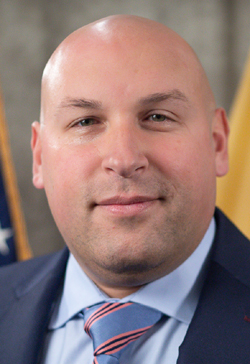
Asm. Mike Venezia
Sponsored bills
Maddy summaryThis bill prohibits New Jersey sports wagering licensees and their contracted operators from offering promotional credits, bonuses, or free rewards to customers using responsible gaming tools. It specifically blocks incentives designed to encourage betting for people who have self-excluded, set time limits, imposed deposit restrictions, or used other responsible gaming programs. Violations would result in a minimum $500 fine per offense. The law amends existing gambling regulations to protect vulnerable bettors from targeted marketing while they use safety tools.
Maddy summaryThis New Jersey bill introduces temporary surcharges on hotel stays and specific sales within the Meadowlands district to fund preparations for upcoming special events. The measures apply a 2.5% fee on hotel rooms and a 3% fee on goods, food, and amusement tickets in the Meadowlands area between June 12 and July 21, 2026. These additional charges are collected from customers and paid to the state's Division of Taxation, with the revenue deposited into the General Fund. The fees are designed to be temporary and do not apply to purchases made by tax-exempt entities.
Maddy summaryThis New Jersey bill requires food service businesses to clearly inform customers about major food allergens present in each menu item. Covered establishments, such as restaurants, cafés, and grocery stores, must display this information directly on menus, via digital codes linking to websites, or through separate written materials like charts and booklets. The law mandates that allergen notices use common names or approved standardized symbols and applies to both permanent and temporary menu items, while exempting prepackaged foods already regulated by federal labeling rules. Enforcement is handled by the Department of Health or local health boards, which can issue written notices and order corrective action if violations occur.
Maddy summaryThis bill extends the cure period for small businesses facing certain non-criminal violations by 30 days, adding to the existing 60-day period. It applies to businesses with 50 or fewer full-time equivalent employees for first-time violations that don’t threaten public safety, employee income, or the environment. State agencies may grant this additional 30-day extension only if they determine denying it would conflict with equity and good conscience. The bill does not apply to labor law violations, criminal matters, or cases where federal rules require penalties. It also requires agencies to publicly report waived violations annually.
Maddy summaryThis bill (A 947) requires New Jersey's Department of Health to create a public awareness campaign and develop policies for recognizing and treating perinatal anxiety - a condition affecting approximately 6% of pregnant women and 10% of postpartum women. It mandates that healthcare providers screen all pregnant and postpartum patients for perinatal anxiety during prenatal visits (at least once per trimester), before discharge after birth, and at early postnatal check-ups, using the Perinatal Anxiety Screening Scale (PASS) or an approved alternative. Providers must also give patients and their families clear information about symptoms, coping strategies, and treatment resources. The bill directly affects pregnant and postpartum women, their healthcare providers, and birthing facilities across New Jersey.
Maddy summaryNew Jersey's S 3114, the "Law Enforcement Officer Protection Act," requires police officers and other law enforcement personnel to reveal their faces and show official identification before detaining or arresting someone during public interactions. Officers must wear non-concealing uniforms, display a photo ID card, show a numbered badge, or verbally state their name and agency. Exceptions include undercover work, medical masks (with physician approval), smoke protection during emergencies, or when safety or an investigation is at risk. The law applies to all state, county, and municipal officers and takes effect immediately.
Maddy summaryThis bill expands the definition of human trafficking crimes in New Jersey and removes the statute of limitations for prosecuting these offenses, allowing authorities to pursue cases regardless of how much time has passed. It also creates specialized human trafficking response teams to coordinate investigations and support services, while increasing training and education requirements for law enforcement and related professionals. Additionally, the bill appropriates $1 million to the Commission on Human Trafficking to fund these initiatives and improve victim support systems.
Maddy summaryThis bill requires new flooring installations in schools, community centers, and licensed child care centers to be certified mercury-free by the manufacturer. It applies to all facilities using identified mercury-risk flooring materials, including existing buildings where such flooring was installed before current occupancy. Key provisions mandate certification for permits, require air quality testing if mercury is detected, and obligate owners to implement mitigation or remove unsafe flooring within six months if tests exceed safety thresholds. Violations by manufacturers issuing false certifications carry civil penalties of $10,000 for first offenses.
Maddy summaryThis bill requires New Jersey law enforcement officers to reveal their facial identity during public interactions (except during undercover operations, medical mask use with physician approval, or smoke exposure during emergencies) and to present valid identification before detaining or arresting someone. Officers must show a uniform with agency insignia, a photo ID card, a numbered badge, or verbally state their name and agency. It applies to all state, county, municipal, and federal officers performing public duties, with exemptions for safety risks, ongoing investigations, or stealth operations. The law aims to increase transparency during police encounters while allowing necessary operational flexibility.