

Maddy summaryThis resolution urges generative AI and content-sharing platforms to voluntarily commit to preventing and removing harmful "deepfake" and "cheapfake" content. It directly affects major AI and social media companies by asking them to proactively address artificially created media that manipulates reality (like fake videos or audio of people saying/doin things they never did). The key mechanism requires platforms to make voluntary commitments to remove such content, with copies of the resolution sent to company CEOs. The resolution defines harmful content as AI-generated media that appears authentic but depicts false speech or conduct, noting its use in blackmail, misinformation, and reputational harm. It emphasizes that this is a non-binding request, aligning with similar efforts in other states and federal initiatives.
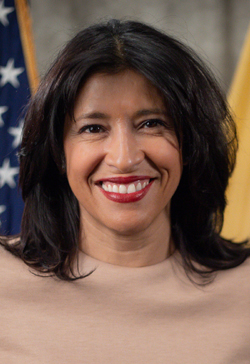
Asm. Rosy Bagolie
Sponsored bills
Maddy summaryThis bill requires veterinarians to provide clear, written disclosures to pet owners before rabies testing on dead domestic companion animals. It mandates specific information about testing reasons, protocols for handling and disposing of the animal's body (including head removal), and prohibits misrepresentation using euphemisms. Veterinarians must also distribute a pamphlet and display a poster about rabies testing protocols to pet owners at the time of rabies vaccination. Additionally, the bill establishes an optional, trauma-informed mental health training program for veterinarians, developed in consultation with state health agencies. These provisions directly affect veterinarians, pet owners, and the Departments of Health and Consumer Affairs.
Maddy summaryThis bill requires health care providers and insurance companies to obtain written consent before sharing a patient's medical information about reproductive health care services (including pregnancy, contraception, or abortion care). Patients must be informed of their right to withhold consent before receiving services or when disclosing previous reproductive health information. Exceptions allowing disclosure without consent include medical emergencies, legal requirements, court orders, and investigations into abuse or complaints. Violations could result in $1,000 per violation in damages plus legal fees, while explicitly maintaining existing federal HIPAA protections.
Maddy summaryThis bill establishes legal protections for patients and healthcare providers accessing or providing reproductive and gender-affirming health care services in New Jersey. It creates a new crime for interfering with these services (including physical obstruction, intimidation, or damaging property), with penalties ranging from a disorderly persons offense to a fourth-degree crime. The bill also prevents New Jersey from extraditing people for legally protected health care activities, prohibits licensing boards from penalizing providers for services that are legal in New Jersey but illegal in other states, and protects patient privacy related to these services. It specifically ensures that a fertilized egg, embryo, or fetus has no independent legal rights under New Jersey law.
Maddy summaryThis bill (A4012) establishes a minimum Medicaid reimbursement rate for structured day program services provided to Medicaid beneficiaries with brain injuries. It requires that these services be reimbursed at the average rate currently paid for Day Habilitation Services Tiers D and E under the Division of Developmental Disabilities program - approximately $9.38 per 15 minutes, compared to the current $3.65 rate for brain injury day programs. The policy directly affects licensed brain injury service providers and Medicaid beneficiaries requiring brain injury treatment. The change applies to services provided on or after the bill's effective date, aligning brain injury service reimbursement with rates for comparable developmental disability services.
Maddy summaryThis bill requires all health insurance plans, Medicaid, and state employee health benefits programs in New Jersey to cover reproductive health care services, including abortion, with no cost-sharing (no deductibles, copays, or coinsurance). It allows religious employers to request coverage exclusions based on religious beliefs, while requiring insurers to provide written notice of such exclusions to covered persons. The bill also prohibits medical malpractice insurers from taking adverse actions against providers who offer reproductive health services, even if the patient is from a state where such services are restricted. These provisions aim to remove financial barriers to reproductive health care access while protecting health care providers.
Maddy summaryThis bill (A4585) requires New Jersey's Department of Human Services to expand home and community-based services (HCBS) under Medicaid. It sets specific targets: by 2027, 80% of Medicaid recipients eligible for nursing home care must receive HCBS instead, with 60% of long-term care funding allocated to HCBS; by 2029, this funding target rises to 70%. The bill mandates a five-year strategic plan to reduce reliance on nursing homes, ensure fair wages for caregivers (with inflation adjustments), and coordinate housing and care services. These changes directly affect Medicaid beneficiaries seeking alternatives to institutional care, caregivers, and state agencies managing Medicaid programs.
Maddy summaryThis bill would create a tax credit program allowing New Jersey taxpayers to receive a 75% credit against their state income tax for donations to approved scholarship organizations. It directly affects nonpublic school students who meet income criteria (household income ≤2.6x the federal reduced-price lunch threshold) attending schools complying with anti-discrimination and anti-bullying laws. The key mechanism requires scholarship organizations to spend 95% of donations on student aid, limit administrative costs to 5%, and adhere to strict eligibility rules. The program would have been capped at $37.5 million annually (adjusted for inflation), but the bill was withdrawn from consideration on June 13, 2024, and never became law.
Maddy summaryThis bill requires all New Jersey public colleges and universities to create a policy allowing students to withdraw for serious personal issues (like illness, injury, hospitalization, or mental health needs) and receive a refund. It mandates that institutions define "extenuating circumstances" to include these specific health-related situations and establish clear criteria for determining when a student's education is hindered. The policy must refund tuition and fees for the semester of withdrawal if the circumstances prevented learning, and also provide refunds for unused housing or meal plan charges. Refunds for students receiving financial aid or state aid will follow existing federal and state refund regulations.
Maddy summaryThis bill amends New Jersey's bias intimidation law to specifically include Sikhism as a protected class, making it illegal to commit hate crimes against Sikhs based on their religious identity. It appropriates $100,000 annually for three years to fund Sikh awareness educational initiatives, including law enforcement training on Sikh identity features like turbans and religious symbols to prevent misclassification of hate incidents. The bill requires the Office of Attorney General to develop public awareness campaigns and educational programs about Sikhism for public schools, and mandates that all public entities incorporate anti-Sikh hate into their bias intimidation policies and diversity programs. These changes directly affect Sikhs in New Jersey (who are the second-most targeted religious group for hate crimes) and all public institutions across the state.