

Maddy summaryThe New Jersey Menopause Coverage Act requires all health insurance plans in New Jersey to cover medically necessary treatments for perimenopause and menopause to the same extent as coverage for other medical conditions. Covered treatments include hormonal therapies, non-hormonal medications, behavioral health services, pelvic floor physical therapy, bone health screenings and treatments, preventative services for related conditions like cardiovascular disease and osteoporosis, and counseling. The law applies to all health insurance carriers in the state, including hospital service corporations, medical service corporations, health service corporations, and health maintenance organizations. Insurers must also provide clear information about covered treatments to policyholders. The law takes effect 90 days after enactment and applies to policies delivered, issued, executed, or renewed on or after that date.
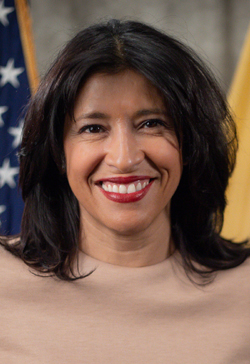
Asm. Rosy Bagolie
Sponsored bills
Maddy summaryThis bill prohibits pet shops in New Jersey from selling cats, dogs, or rabbits, repealing the previous "Pet Purchase Protection Act." It establishes a $500 fine for violations and allows pet shops to sell other animals or pet supplies, while enabling collaboration with shelters to showcase adoptable animals without exchanging payment. The bill defines "unfit for purchase" for animals and specifies that an animal's death within 14 days of sale (except by accident) would be considered evidence of being unfit. It also prohibits animal rescue organizations, shelters, and pounds from obtaining animals from breeders or brokers in exchange for compensation. The law does not affect pet dealers (not pet shops) or consumer rights for animals purchased from them.
Maddy summaryThis bill requires New Jersey's Department of Education (DOE) to create a statewide policy for K-12 schools within 90 days, addressing student cell phone and social media use during school hours, on buses, and at school events. The policy must include age-appropriate rules (like banning non-academic phone use in class), emergency exceptions, accommodations for students with special needs, and options for device storage. School districts must adopt a policy consistent with the DOE's framework by the start of the next full school year, though they may apply for exemptions. The bill directly affects all public K-12 schools, students, and staff across New Jersey, focusing on standardizing device use rules while allowing districts to implement stricter policies.
Maddy summaryThis bill makes doxxing a crime in New Jersey by criminalizing the intentional disclosure of personal identifying information without consent, with the purpose of causing fear, violence, stalking, or mental anguish. The crime applies when such disclosure creates a substantial risk of serious bodily injury, stalking, or inflicts mental anguish that places the person or their "close relation" in reasonable fear of physical harm. The bill broadly defines "close relation" to include family members, household members, and significant personal or professional relationships. Exceptions exist for good-faith disclosures to the public about unlawful conduct or to law enforcement, with penalties ranging from up to 18 months in prison (fourth degree) to 3-5 years (third degree) if serious harm occurs.
Maddy summaryThe "John R. Lewis Voter Empowerment Act of New Jersey" requires all voting policies to be interpreted in ways that maximize voting access for all eligible voters, particularly members of racial, color, and language-minority groups. It prohibits voting practices that burden protected class members and mandates language assistance for limited English proficient voters. The bill creates a preclearance process for voting changes in jurisdictions with a history of voting rights violations and establishes the New Jersey Voting and Elections Institute to maintain public voting data. These provisions aim to ensure equitable access to voting and protect against voter suppression and vote dilution.
Maddy summaryThis bill requires New Jersey's Department of Human Services to create a public awareness campaign about doulas. It mandates the campaign to explain doulas' roles before, during, and after pregnancy; detail their services and research-supported benefits; and list free or low-cost doula resources. The campaign must provide materials in the top 10 languages spoken in New Jersey, available online and distributed through health clinics, WIC offices, Planned Parenthood locations, pharmacies, and community organizations. The goal is to increase public understanding and access to doula services for pregnant and postpartum individuals statewide.
Maddy summaryThis bill requires all paid and part-paid New Jersey fire departments to create, review annually, and update a written policy addressing pregnancy-related workplace issues within 180 days of the bill's effective date. The policy must cover disclosure of pregnancy, medical restrictions from a physician, availability of modified duties or non-hazardous assignments, information on unsafe tasks during pregnancy, leave usage, and continued benefits. Departments must follow guidelines from the National Fire Protection Association or similar professional standards when developing this policy. The bill directly affects pregnant firefighters in these departments by mandating clear, written workplace protections and support.
Maddy summaryThis New Jersey bill (A4848) requires doctors and nurses to screen pregnant patients for lead exposure if they identify risk factors - such as living in older housing - based on CDC and medical guidelines. It mandates one lead screening per pregnancy for at-risk patients, with providers notifying patients of elevated lead levels and ensuring children under six in the household are screened. Patients can refuse testing in writing, and labs must report results to health departments within five business days. The law applies to all pregnant individuals in New Jersey receiving care from covered healthcare providers, aiming to prevent lead poisoning during pregnancy.
Maddy summaryThis bill extends the enrollment window for newborn infants in health benefits coverage from 60 to 90 days after birth. It directly affects newborns and their parents or guardians who must enroll infants in existing health plans. The key change modifies existing law to require that notification of a birth and required payment must be submitted within 90 days (previously 60 days) to maintain coverage beyond that period. The policy change provides families with additional time to complete enrollment paperwork without losing coverage for their newborn. This applies to both family-type and non-family-type health benefit contracts.
Maddy summaryThis bill permits New Jersey's Department of Military and Veterans Affairs (DMVA) to accept voluntary donations, grants, or gifts from the public and private sectors specifically for creating veteran suicide prevention public service announcements (PSAs). The funds received would be deposited into a special nonlapsing state fund managed by the State Treasurer and must be used exclusively for producing these PSAs. It directly affects the DMVA's funding mechanisms for suicide prevention outreach, allowing it to supplement existing efforts without requiring new state appropriations. The bill does not change existing suicide prevention programs but creates a new funding pathway for PSAs through private or public contributions.