

Maddy summaryAJR 118 designates March 10, 2026, as "South Plainfield Day" in New Jersey to commemorate the 100th anniversary of the borough's incorporation (March 10, 1926). The resolution requires the Governor to issue a proclamation encouraging public observance and directs copies of the resolution to be sent to the Borough of South Plainfield. This ceremonial measure directly affects South Plainfield, honoring its centennial and historical significance without creating new laws or financial obligations.
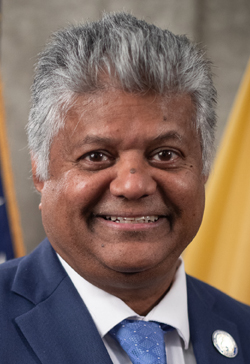
Asm. Sterley Stanley
Sponsored bills
Maddy summaryThis bill clarifies rules for exemptions from municipal rent control in New Jersey. It specifies that only the original developer who built new rental units with initial mortgage financing can claim an exemption, and only if filed before construction completion. The exemption period is limited to the initial mortgage term, and subsequent owners cannot restart the exemption if the original filing wasn't made. This directly affects developers, landlords of new multi-dwelling properties, and municipalities enforcing rent control ordinances.
Maddy summaryThis bill amends New Jersey's Emergency Medical Technician Training Fund eligibility rules. It clarifies that volunteer EMTs receiving "length of service awards" from their ambulance squads remain eligible for training fund reimbursements. The bill updates the definition of "volunteer emergency medical technician" to exclude full-time hospital employees and revises service requirements to require at least 12 service calls or 150 duty hours annually during the initial certification period. It also expands the definition of "public or private institution of higher education" to include out-of-state schools and exempts EMTs leaving for college from repaying training funds.
Maddy summaryThis bill requires drivers to stop at least 25 feet from school buses loading/unloading children or individuals with developmental disabilities on undivided highways, and to slow to 10 mph on divided highways. It establishes that violations captured by school bus monitoring systems (like cameras) will result in a $300 civil penalty instead of criminal charges or license points. The law directly affects drivers near school buses, school bus operators, and enforcement agencies. Key provisions include standardized stopping distances, speed limits for divided highways, and shifting penalties for monitored violations to a civil fine system. This changes enforcement by prioritizing evidence from monitoring systems to reduce penalties for documented violations.
Maddy summaryThis bill requires all source plasma donation centers in New Jersey to obtain a state license to operate, directly affecting center operators and their staff. It mandates annual licensing with a $25 fee for existing centers (higher fees for new applicants), requires safety rules based on federal standards, and allows health department inspections. Centers must display licenses visibly and follow guidelines for donor screening and staff practices. Violations could lead to license suspension or revocation, enforced through administrative hearings.
Maddy summaryThis bill requires New Jersey's Department of Education to partner with a nonprofit to create a free, public online registry of tutors and tutoring organizations. It allows eligible participants - including certified teachers, retired educators, college students, industry professionals, and relevant organizations - to list their contact details, subject expertise, and availability without charging students for services. All registrants (except certified teachers with prior background checks) must undergo a criminal history check, and the registry will include a disclaimer noting the information hasn't been verified or endorsed by the state. The registry will be accessible on the Department of Education's website to connect students with free tutoring support.
Maddy summaryThis bill establishes a state standard to protect New Jersey workers from heat-related illnesses and injuries by requiring employers to implement specific safety measures. It directly affects all employers and employees in New Jersey, including those in high-risk outdoor jobs (like construction and agriculture) and indoor settings without climate control. Key provisions mandate written prevention plans that include providing cool water (under 59°F), paid rest breaks in shaded or cooled areas, monitoring heat exposure, and activating a heat alert system during forecasted heat waves - requiring adjustments like shifting work schedules or increasing rest breaks. Employers must develop these plans within 30 days of the law's effective date, with the Department of Labor setting the heat stress standard by June 1, 2025.
Maddy summaryThis bill (A3360) would require a driver convicted of reckless vehicular homicide while violating New Jersey's DUI laws (R.S.39:4-50) to pay restitution to a minor child if the victim was the child's parent or guardian. It specifically targets cases where drunk driving causes a parent's death, mandating the offender compensate the child for their loss. The restitution would be in addition to any criminal penalties or civil damages. The bill is currently pending before the Assembly Judiciary Committee and has not yet become law.
Maddy summaryThis bill raises the income threshold for Medicaid eligibility under New Jersey's medically needy program from 133.3% to 138% of the federal poverty level. It directly affects pregnant women, children under 21, seniors aged 65+, and blind or disabled individuals who need medical care but have incomes slightly above the previous limit. The key change adjusts the income calculation method used to determine eligibility, allowing more low-income residents to qualify for coverage. This policy update aligns with federal Medicaid guidelines and simplifies the eligibility process for affected groups. The bill amends existing Medicaid statutes without changing program funding or administrative structure.
Maddy summaryThis bill prohibits selling products with advertisements that link to or hint at controlled drugs (like synthetic cannabinoids or designer drugs), especially for items meant to be eaten, drunk, or inhaled. It bans such sales to anyone under 18 and targets food, drinks, or ingestible products regardless of other uses. The law does not apply to prescription medications dispensed by pharmacists with a valid prescription. Violations could result in fines up to $20,000 per offense, cease-and-desist orders, or additional penalties under consumer fraud law.