

Maddy summaryNew Jersey Assembly Bill A5948 expands the scope of practice for licensed acupuncturists by allowing them to perform specific diagnostic procedures (like ordering X-rays and certain lab tests), utilize additional therapies (including laser stimulation and cupping), and engage in "expanded practice" activities. This includes prescribing and administering certain substances such as homeopathic medicines, saline solutions, vitamins, and non-invasive injections under defined conditions. The bill applies to new licenses and renewals starting 10 months after enactment, affecting licensed acupuncturists in New Jersey who meet certification requirements. It does not alter existing practice for acupuncturists already certified in injection or IV therapy.
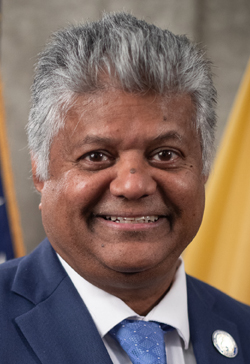
Asm. Sterley Stanley
Sponsored bills
Maddy summaryThis bill establishes a provisional license pathway for international medical graduates (IMGs) to practice medicine in New Jersey. It allows IMGs who meet specific criteria - such as holding a medical degree from a recognized program within seven years, having completed residency or five years of practice in their home country, and possessing basic English fluency - to receive a three-year provisional license if employed by a licensed New Jersey healthcare provider or already licensed in designated countries. During this period, they must practice under direct supervision of a fully licensed physician. The license automatically converts to full licensure after three years of compliant practice, provided there's no misconduct, and requires physicians to disclose their international training background to patients before treatment. The bill also mandates that IMGs be paid at least 90% of local market rates for their specialty.
Maddy summaryNew Jersey's A3558 bill establishes the state's official definition of antisemitism using the International Holocaust Remembrance Alliance (IHRA) standard, including specific examples of antisemitic conduct. State agencies and institutions must use this definition when reviewing, investigating, or deciding on cases involving discriminatory acts motivated by antisemitism. The bill appropriates $100,000 for a public awareness campaign by the Attorney General's office to educate residents on identifying and reporting bias crimes through community outreach and the existing bias crimes hotline. This campaign aims to improve reporting of antisemitic incidents without affecting First Amendment rights or conflicting with existing anti-discrimination laws.
Maddy summaryThis bill reorganizes New Jersey's State Health Benefits Program governance by expanding the State Health Benefits Commission to 11 members and eliminating the previous Plan Design Committee. It requires the program to offer exactly five health plans for employees and non-Medicare-eligible retirees, including a new "NJ Gold" plan that doesn't require salary-based employee contributions. The bill establishes an escalator system to adjust employee contribution rates based on premium cost trends, increasing rates if premiums rise significantly above inflation and decreasing them if premiums fall. Additionally, it mandates that local government employers must decide within one year whether to join the SHBP, with a two-year commitment if they choose to participate.
Maddy summaryThis bill appropriates funds to New Jersey's Department of Environmental Protection (DEP) for fiscal year 2026 to provide zero-interest and principal-forgiveness loans to local governments and public water utilities for environmental infrastructure projects. It directly affects municipalities and water utilities that need financing for clean water projects (like combined sewer overflow reduction and water quality restoration) and drinking water projects, with specific funding limits based on project type and affordability criteria. The bill includes detailed lists of 151 qualifying clean water projects totaling $1.7 billion and 59 drinking water projects totaling $652 million, all intended to meet federal requirements under the Clean Water Act and Safe Drinking Water Act. The loans may offer full principal forgiveness for eligible projects or a blended interest rate based on project costs and borrower affordability.
Maddy summaryThis bill requires all New Jersey school districts to provide universal access to free full-day preschool for all 3- and 4-year-old children by a date determined by each district. It establishes preschool expansion aid to support districts that don't yet offer universal free preschool and mandates a "mixed delivery method" combining district programs, licensed child care providers, and Head Start programs. School districts must submit implementation plans by July 1, 2025, with a statewide strategic plan due by July 1, 2026. The bill also requires all school districts to offer full-day kindergarten, with possible waivers if sufficient preschool expansion aid funding exists.
Maddy summaryThis bill requires New Jersey's Board of Public Utilities (BPU) to study how data centers impact electricity rates for residential customers. The BPU must determine if non-data center customers unfairly subsidize data center costs, whether infrastructure for data centers causes unreasonable rate hikes, and project the future portion of residential rates attributable to data centers over the next 20 years. The study will also evaluate policy options to prevent rate increases from data center growth. The BPU must complete the study within one year and submit a report to the governor and legislature within 15 months.
Maddy summaryThis bill establishes a 2.5% annual limit on rent increases for tenants living in modular or manufactured homes used as their primary residence. It directly affects renters in these specific housing types, excluding owner-occupied properties with three or fewer units and affordable housing units with income restrictions. Landlords cannot raise rents more than 2.5% over any 12-month period for covered units, and violations require reverting to the previous rent amount. The law supplements existing rent protections but does not override stricter local rent control ordinances.
Maddy summaryS 1320 requires licensed public adjusters in New Jersey to include specific details in written contracts with insureds. The bill mandates that contracts must list the adjuster's license number, describe services and compensation, and include a clear notice of the insured's right to cancel the contract within three business days. It also requires public adjusters to hold any client funds in an interest-bearing escrow account and provides that insureds can terminate contracts later without penalty, though they remain liable for reasonable fees for services rendered. This law directly affects insureds seeking property damage claim assistance and public adjusters operating in New Jersey.
Maddy summaryACR 170 is a procedural resolution approving the New Jersey Infrastructure Bank’s proposed Fiscal Year 2026 financial plan. This plan outlines how the bank will fund environmental infrastructure projects, including clean water systems, stormwater management, and drinking water supply improvements. The resolution formally authorizes the bank to implement this funding strategy for projects identified by the Department of Environmental Protection, as required by state law. It does not create new funding or change project eligibility - it simply approves the bank’s existing plan for the upcoming fiscal year.