

Maddy summaryThis bill creates a new program within New Jersey's Economic Development Authority to support the construction of new nuclear energy facilities in the state. The legislation directly affects the Authority, developers, and municipalities by granting it expanded powers to acquire land, manage projects, and secure funding for these facilities. Key provisions allow the Authority to purchase property, enter into contracts for construction and operation, and accept financial aid from federal, state, or other sources. Additionally, the bill permits the Authority to charge fees to cover administrative and operational expenses related to the nuclear energy projects.
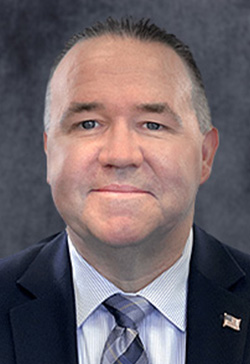
Asm. Alex Sauickie
Sponsored bills
Maddy summaryThis bill allocates $1 million from the state's General Fund to the Department of Veterans Affairs for suicide prevention training. The money will be used specifically to train staff at state-run Veterans' Haven facilities, which provide transitional housing for veterans. By funding this training, the legislation aims to equip facility personnel with the skills needed to better support residents and address suicide risks. The funding is designated under the annual appropriations act for the fiscal year ending June 30, 2026.
Maddy summaryThis New Jersey bill prohibits payment card networks from charging interchange fees based on a percentage of transaction amounts for both credit and debit cards. The law specifically targets fees that include taxes or tips, preventing networks from calculating charges on the total gross amount rather than just the base purchase price. Additionally, the bill sets strict limits on fees charged for charitable donations, allowing only very small fixed percentages for such transactions. These rules directly affect payment processors, banks, and merchants by restricting how interchange fees can be structured and calculated.
Maddy summaryThis bill increases the monthly personal needs allowance (PNA) from $50 to $140 for low-income residents in nursing homes, state/county psychiatric hospitals, and state developmental centers. It directly affects eligible residents who receive medical assistance under New Jersey’s Medicaid program but are not eligible for Supplemental Security Income (SSI). The allowance is intended for personal discretionary spending on items like phone calls, meals out, clothing, or hobbies. The amount will automatically increase annually starting January 1 after enactment, adjusted by the same percentage as the Social Security cost-of-living adjustment.
Maddy summaryThis bill expands New Jersey's existing Senior Citizens and Disabled Residents Transportation Assistance Program to provide transportation services specifically for disabled veterans needing to attend medical appointments for service-connected conditions. It directs the Department of Military and Veterans' Affairs to work with counties to identify veterans' transportation needs and provides funding by redirecting 4% of casino revenue fund allocations (previously used for senior/disabled transport) to cover these new services. The program helps counties pay for expanded transit options, including door-to-door service or subsidized rides, for veterans certified with service-connected disabilities by the U.S. Department of Veterans Affairs. This directly affects disabled veterans in New Jersey who require transportation to VA-approved medical appointments but are not covered by existing travel reimbursement programs.
Maddy summaryThis bill increases the maximum grant amount available to New Jersey farmers for farmland stewardship activities from $20,000 to $100,000 per application. The legislation directly affects farmers who manage land preserved for agricultural use and wish to undertake projects like installing deer fencing or implementing soil conservation measures. By raising the funding cap, the bill allows for larger-scale improvements to preserved farmland without changing the existing rules on how grants are distributed per acre. This change aims to address rising costs associated with maintaining and restoring farmland while keeping the program's overall structure intact.
Maddy summaryThis New Jersey bill allows landowners of preserved farms to build and operate biomass, solar, or wind energy facilities without needing prior approval from the State Agricultural Development Committee (SADC). The legislation permits these projects on both preserved and non-preserved parts of the farm, provided they do not significantly interfere with agricultural production and are owned or eventually owned by the landowner. Key restrictions limit the energy generation capacity to the farm's previous year's demand plus 10 percent or one percent of the total farm area, and require that any energy sold be done through net metering. While the bill removes the need for initial SADC approval for the entire project, it still mandates a review process specifically for facilities located on the preserved portion of the farm to ensure compliance with agricultural and environmental standards.
Maddy summaryThis bill requires the New Jersey Department of Agriculture to allow milk dealer license applications to be submitted electronically through its website. Currently, applicants must print a form, fill it out, and mail it in, but this change would let them submit their applications online. The law would take effect two years after it is passed. It directly affects businesses that want to sell milk and simplifies the application process for both dealers and the state agency.
Maddy summaryThis New Jersey bill prohibits individuals from harassing, bothering, or interfering with farmers who are engaged in lawful agricultural operations. The law specifically protects a wide range of farming activities, including the production of crops, livestock, dairy, poultry, and forest products, while explicitly exempting law enforcement officers performing their duties. Violators face criminal penalties ranging from petty disorderly persons offenses to disorderly persons offenses for repeat incidents, along with civil fines between $250 and $500 per day if the harassment continues. Additionally, the Secretary of Agriculture can seek court injunctions to stop violations, and affected farmers may sue for damages covering lost profits and harm to their property.
Maddy summaryThis bill regulates how medication is given to individuals with developmental disabilities in New Jersey group homes and supervised apartments. It mandates that only a nurse or a certified medication aide working directly under a nurse's supervision can administer these medications. The law also requires parents or legal guardians to provide specific medical instructions and dosage details before admission and whenever a medication regimen changes. These rules apply to licensed community-based residential programs and day programs that offer habilitation services.